
News
Lassa Fever Kills 142 Across 18 States – NCDC


The report further revealed that five states, Ondo, Bauchi, Edo, Taraba, and Ebonyi, accounted for 91 per cent of all confirmed cases, with Ondo alone contributing 31 per cent
The Nigeria Centre for Disease Control and Prevention (NCDC) has reported 747 confirmed cases of Lassa fever across 18 states, with 142 deaths recorded as of epidemiological week 22, 2025.
The current case fatality rate (CFR) stands at 19.0 per cent, a slight increase from the 18.1 per cent reported during the same period last year.
According to the NCDC’s latest Lassa Fever Situation Report, the number of new confirmed cases rose from six in week 21 to eight in week 22, with fresh infections recorded in Ondo, Bauchi, Edo, and Nasarawa States.

The report further revealed that five states, Ondo, Bauchi, Edo, Taraba, and Ebonyi, accounted for 91 per cent of all confirmed cases.
It said Ondo contributed 31 per cent, followed by Bauchi 25 per cent, Edo and Taraba 16 per cent each, and Ebonyi three per cent.
Overall cases
While the overall number of suspected and confirmed cases has declined compared to the same timeframe in 2024, the NCDC stressed that the situation still demands close attention.
The health agency noted that national response mechanisms remain fully activated through the multi-sectoral Incident Management System (IMS), which coordinates efforts among federal agencies, states, and development partners.

The agency also highlighted the importance of sustained public awareness and community engagement to reduce the spread of the disease, especially in high-burden local government areas.
Audience Feedback Survey
It advised the general public to remain vigilant and adhere to preventive measures, including good hygiene and proper food storage.
National response
The NCDC said it has implemented a series of interventions to reinforce response efforts.
These include a dynamic risk assessment of Lassa fever transmission and the integration of Lassa fever messaging into broader risk communication strategies for viral haemorrhagic fevers.
The agency also said it launched a new IPC (Infection Prevention and Control) e-learning platform, developed in collaboration with the DRASA Health Trust and funded by the Global Fund.
In addition, 10 National Rapid Response Teams have been deployed to affected states to support field operations using a One Health approach.
The NCDC has also distributed updated IPC guidelines, developed with technical support from the Robert Koch Institute, to health facilities nationwide.
According to the report, the NCDC is working closely with state IPC structures, treatment centres, and the Orange Network to ensure strict adherence to standard precautions, with the goal of reducing hospital-acquired infections in high-burden areas.
Medical countermeasures, including personal protective equipment (PPE), Ribavirin, and body bags, have also been quantified and distributed to states and treatment centres.
About Lassa fever
Lassa fever is an acute viral hemorrhagic illness transmitted to humans through contact with food or household items contaminated by infected rodents or persons.
Symptoms of Lassa fever include fever, headache, sore throat, general body weakness, cough, nausea, vomiting, diarrhoea, muscle pains, and chest pain. In severe cases, it can cause unexplained bleeding from the ears, eyes, nose, mouth, and other body openings.
Premiumtimesng.com


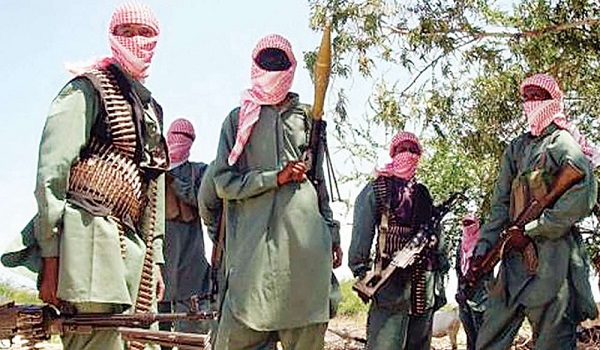
Tension and sorrow have gripped the Iluke Bunu community in Kogi State following a deadly bandit attack that reportedly claimed the life of the Vice Principal of Government Secondary School, Iluke.
According to reports, the victim, identified as Mr. Gani Anifowose, was brutally killed on Wednesday morning during an attack carried out by armed bandits.
Residents said the community is currently facing heightened security concerns, with fear and panic spreading across the area.
In another disturbing development, reports indicate that students from three neighbouring communities, who were scheduled to sit for the English Language WAEC examination on the same day, were allegedly abducted amid the worsening insecurity in the region.
The incidents have raised fresh concerns over the safety of students, teachers, and residents in vulnerable communities across Kogi State.
A representative of the community association called on security agencies and relevant authorities to urgently intensify efforts to restore peace, secure the affected communities, and ensure the safe return of the abducted victims.
“An hour is gone and no sign of rescue efforts from the security agencies despite placing several calls for help. We urge citizens to remain calm and continue praying for divine intervention, protection, and lasting peace in our communities.”
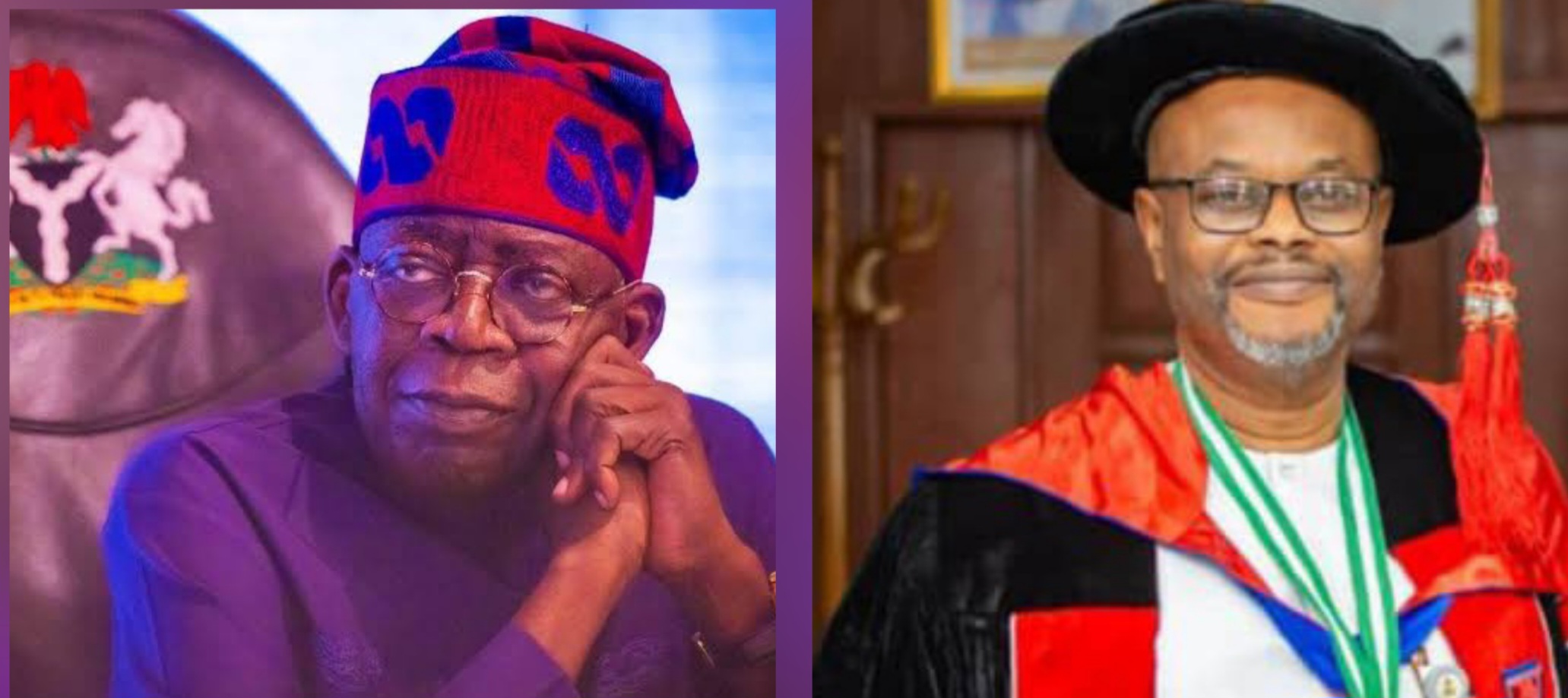
The Independent Corrupt Practices and Other Related Offences Commission (ICPC) has reportedly stepped up its investigation into former Minister of Innovation, Science and Technology, Uche Nnaji, over allegations of certificate forgery.
According to a report by Premium Times, the anti-graft agency has begun efforts to locate the former minister after he allegedly failed to honour several invitations issued in connection with the ongoing investigation.
The publication reported that sources familiar with the matter said the ICPC had invited Nnaji for questioning through different channels, including telephone calls, emails and WhatsApp messages, but he did not appear before investigators.
One of the sources quoted by the newspaper claimed that the commission could declare the former minister wanted if attempts to secure his appearance are unsuccessful.
The latest development is said to be part of an investigation that followed a lengthy inquiry by Premium Times into Nnaji’s academic records and National Youth Service Corps (NYSC) documents.
The newspaper had earlier alleged that the former minister submitted forged degree and NYSC certificates during his ministerial screening and confirmation process in 2023.
According to the report, the ICPC has also sought information from the University of Nigeria, Nsukka (UNN), as part of its investigation.
Another source cited by Premium Times alleged that Nnaji’s failure to respond to the invitations may be linked to his political ambitions ahead of the 2027 governorship election in Enugu State.
The newspaper recently reported that the former minister moved from the All Progressives Congress (APC) to a faction of the Peoples Democratic Party (PDP) and later emerged as its governorship candidate.
Neither Nnaji nor his media aide, Robert Ngwu, had publicly responded to the latest allegations as of the time of filing this report. Premium Times said calls and messages sent to his spokesperson were not answered.
The controversy surrounding the former minister began after investigations into his academic qualifications were published in 2023.
According to the newspaper, Nnaji had approached the Federal High Court in Abuja in a bid to stop the release of his academic records by the University of Nigeria, Nsukka.
However, Premium Times reported that university authorities later informed the newspaper that although Nnaji was admitted into the institution, he did not graduate or obtain the certificate attributed to him.
The publication also stated that the National Youth Service Corps disowned the discharge certificate allegedly presented by the former minister.
Nnaji eventually resigned from his position shortly after the allegations became public.
The matter has continued to attract public attention, with several lawyers and civil society groups calling for a thorough investigation and, where necessary, prosecution in line with the law.
In a related development, POLITICS NIGERIA also reported earlier this year that an investigative panel set up by the Federal Ministry of Education examined the matter as part of a broader review of the allegations surrounding the former minister’s credentials.
The ICPC has yet to release an official public statement detailing the current status of its investigation
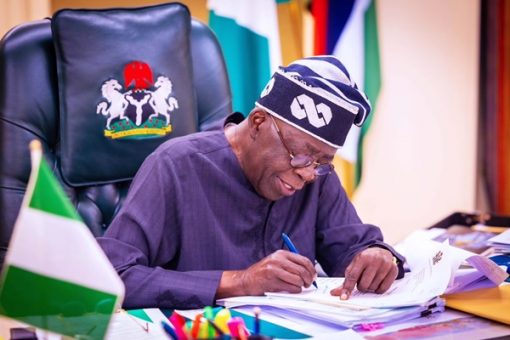
Nigeria’s Ministry of Interior is set to declare a nationwide public holiday across all sectors to mark Democracy Day 2026, potentially granting a one-day break for both private and public sector employees.
The federal government’s announcement regarding Democracy Day will be the only national public holiday observed in Nigeria in June 2026.
Democracy Day commemorates the 1993 presidential election and the nation’s struggle for democratic freedom. June 12, 2026, falls on a Friday.
On June 6, 2018, the late former president Muhammadu Buhari, in a public statement, changed the Democracy Day from May 29 to June 12, in honour of the June 12, 1993, presidential election and its winner, Moshood Kashimawo Olawale Abiola, who died in prison.
Abiola was born on August 14, 1937 and passed away under suspicious circumstances on July 7, 1998. A popular Ogun businessman, publisher, and politician of the Egba clan, he is often referred to as MKO Abiola.
He ran for the presidency in 1993 and was widely regarded as the presumed winner of the election, which was annulled by former military head of state, General Ibrahim Babangida.
Some southwest states had been celebrating June 12 as a public holiday and are holding ceremonies in Abiola’s honour until Buhari officially declared the day as Nigeria’s real democracy day. The former president, on Monday, June 10, 2018, signed the Public Holiday Amendment Bill into law.
The law, according to the former president’s ex-senior special assistant on National Assembly Matters (Senate), Ita Enang, allows a public holiday to be declared on June 12 every year, while May 29 is to be a handing-over date.


Filling Stations Adjust Petrol Prices Again as New Landing Cost Emerges

Bandits Strike Again, Kill Vice Principal in Fresh School Attack

BREAKING: Court Takes Action on APC Primaries

Former Super Eagles Star Loses Life Savings, Duped By A Pastor of ₦1.2 Billion

I’m A Married Man, I Can Never Get Myself Involved With Such A Thing, Delta Gov Aide Reveals Why He Offered Comfort ₦500,000 Job

Lagos Imposes ₦250,000 Fine For Illegal Waste Disposal

-
 Politics1 day ago
BREAKING: Kwankwaso Breaks Silence on Dumping NDC
-
 News1 day ago
FG to Declare Nationwide Public Holiday, Date Revealed
-

 Business1 day ago
JUST IN: Marketers Crash Petrol Prices Nationwide, New Pump Prices Emerge
-
 News6 hours ago
Bandits Strike Again, Kill Vice Principal in Fresh School Attack
-

 News1 day ago
BREAKING: Top Nigerian Emir is Dead, Details Emerge
-
 Politics6 hours ago
BREAKING: Court Takes Action on APC Primaries
-

 News10 hours ago
BREAKING: Tinubu’s Ex-Minister in Trouble Over Certificate Scandal
-
News2 days ago
BREAKING: Tinubu Swears In Two New Ministers