
It was learnt that 11 aspirants had declared their intention to contest the primary but seven bought tickets with three pulling out, leaving out the final four to slot it out for the ticket.
Politics
Primaries: Fubara Withdraws As APC Govs Emerge Sole Aspirants

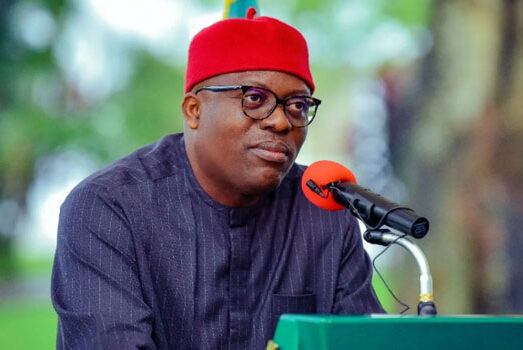
The All Progressives Congress is set for a decisive round of governorship primaries on Thursday (today) across the 36 states, with political tensions rising over attempts to impose consensus candidates ahead of the 2027 general elections.
In many states, party leaders and influential stakeholders have pushed for consensus arrangements to avoid rancorous contests and internal divisions. However, the move has been resisted by several aspirants who insist on testing their popularity at the polls.
Among the closely watched contests are those involving Rivers State, where Governor Siminalayi Fubara stepped aside, Adamawa, Kwara and Plateau State as party members await the outcome of the primaries that could shape the political direction of both states.
With loyalists of Fubara missing on the list for the cleared aspirants for the Rivers State House of Assembly primary election scheduled for Wednesday, political observers opined that Fubara was in for tough battle to secure the second term ticket.
However, in a shocking move, Governor Fubara withdrew from the APC governorship primary election on Wednesday night, citing the need to preserve peace, unity, and stability in the state.
Fubara announced his decision in an official statement titled ‘My Decision to Withdraw from the Rivers State Gubernatorial Primaries,’ where he said the move followed deep reflection and consultations with family, friends, and associates.
He stated that although the decision was difficult, it was taken in the overriding interest of Rivers State and the need to place collective good above personal ambition.
“After deep reflection and extensive consultations with my family, friends, and associates, I have taken the difficult but necessary decision to withdraw from the APC gubernatorial primaries. I do so with a full heart and with a firm commitment to support whoever emerges as the candidate of our great party,” he said.
The governor noted that leadership often requires sacrifice, stressing that at certain moments, personal ambition must give way to the broader interests of the people.
“Leadership is ultimately about sacrifice. There comes a time when personal ambition must yield to the greater good of the people. Rivers State is bigger than any individual, and at this critical moment, the peace, stability, and unity of our dear state must take precedence over every personal interest,” he added.
Fubara expressed appreciation to his supporters for their loyalty and encouragement throughout his political journey, acknowledging their emotional and material support.
“To my supporters who stood firmly with me throughout this journey — your time, resources, prayers, and unwavering hope, I offer my deepest gratitude,” he said.
He further described his recent silence as intentional, saying it was guided by what he called “the higher interest of the state.”
“As our elders say, not everything a hunter sees in the forest is spoken of in the marketplace… I have faced immense pressures and difficult choices, but my love for Rivers State remains greater than anything else,” he stated.
The governor also thanked the APC for the platform and expressed appreciation to President Bola Tinubu for his encouragement and support.
Fubara, however, stressed that his withdrawal should not be interpreted as weakness or surrender, but rather as a deliberate act of sacrifice for peace in Rivers State.
“Let it be clearly understood that I stepped aside… not out of weakness, fear, or surrender, but out of conviction and sacrifice so that Rivers State may move forward in peace and unity,” he said.
He reaffirmed his commitment to serving the people of Rivers State to the end of his tenure, while calling on party members to remain united and focused on building a stronger APC.
Fubara’s withdrawal comes amid months of political tension and internal power struggles within the Rivers APC, which have significantly shaped the state’s political landscape ahead of the 2027 elections.
Before this latest drama in Rivers politics, Fubara had earlier appeared before the party’s screening committee in Abuja, where he was reportedly involved in a tense encounter that ended abruptly, with the governor said to have walked out of the venue without addressing journalists.
Since then, he has remained largely silent on the unfolding political developments within the party, even as speculation continues to mount over his next move.
Meanwhile, amid the internal turbulence in the Rivers APC, the party reportedly disqualified all 32 aspirants said to have been backed by the governor for the state House of Assembly primaries. Among those affected were three lawmakers who had been loyal to Fubara during the prolonged political crisis in the state, including those aligned with the then factional Speaker, Victor Oko-Jumbo.
Similarly, three members of the House of Representatives believed to be loyal to the governor —including Hon. Awaji-Inombek Abiante and Hon. Boma Goodhead — also failed to secure tickets to return to the National Assembly following their disqualification from the primaries.
In the same vein, former Rivers State Deputy Governor and Senator representing Rivers West, Dr Ipalibo Banigo-Harry, who is also considered an ally of Fubara, was affected by the disqualification exercise.
Banigo-Harry, who served as deputy governor under former Governor Nyesom Wike for eight years before their political fallout after her emergence as senator, also lost out in the process.
Amid growing speculation that the governor may be weighing a “Plan B,” Fubara recently dismissed rumours of defection during a project inspection in Port Harcourt, insisting that he remains a loyal member of the APC.
However, palpable tension continues to grip the state as political actors across factions—including supporters of the governor, the camp of the Minister of the Federal Capital Territory, and other stakeholders—await the outcome of Thursday’s primary, which is expected to significantly shape the 2027 political landscape in Rivers State.
Governor Fubara and FCT minister, Nyesom Wike, has been engaged in a running battle for three years following an intractable feud between both since 2023.
Former Rivers Governor Wike influenced Fubara’s emergence as governor in 2023, but both politicians fell out months after because of the struggle for control of the political structures in the oil-rich state.
President Bola Tinubu had brokered two peace deals between the parties, but they all collapsed shortly after.
The crisis later resulted in the declaration of emergency rule in the state in 2025.
Fubara, who was suspended by Tinubu for six months alongside all elected officials in the state in March 2025, returned to office last September after the President declared an end to the emergency rule.
In January, Wike-backed members of the Rivers State House of Assembly commenced the third attempt to impeach Governor Fubara and his deputy, Ngozi Odu.
While governors of Akwa Ibom, Cross River, Ebonyi, Delta, Enugu, Jigawa, Kaduna, Kano, Katsina, Niger and Sokoto emerged as consensus candidates for a second term, Fubara was pitted against Wike’s loyalist and Minority Leader of the House of Representatives, Kingsley Chinda, the state’s former Commissioner for Works, Dakorinama George-Kelly, and Tonye Cole.
However, Cole withdrew from the race on Wednesday, citing the need to preserve party unity and stability ahead of today’s primaries. George-Kelly also stepped aside from the race, leaving Chinda as the sole contestant for the governorship primary.
In a statement on Wednesday, Cole, who also contested the 2023 governorship election, said his decision followed extensive consultations and was in line with broader agreements reached at high-level meetings convened by the APC national leadership on the future of the party in Rivers State.
He explained that although the decision was difficult, it was taken in the overriding interest of party unity, peace, and collective progress.
Cole described himself as a loyal party man and committed democrat who had consistently advocated dialogue, reconciliation, and unity among stakeholders and factions within the Rivers APC.
The statement read in part, “I would like to address an important development regarding tomorrow’s (Thursday) primaries.
“As a committed democrat and a firm believer in strong institutions as the foundation for sustainable development, I have consistently advocated for dialogue, reconciliation, and unity among stakeholders and factions within the Rivers State chapter of our great party, the APC.
“In recent days, the national leadership of our party convened a critical stakeholders’ meeting during which far-reaching discussions were held on the future of the Rivers APC and the imperative of presenting a united front ahead of the primaries and the 2027 general elections.
“Following that meeting, and after extensive consultations with members of my political team, associates, supporters, and other key stakeholders, I have taken the decision, in the overriding interest of party unity, peace, and collective progress, to respect the supremacy of the party and withdraw from the forthcoming primaries.”
Cole added that he would support whoever emerges as the party’s candidate after the primaries, urging his supporters to remain peaceful and united.
“This decision was not made lightly. It is the product of deep reflection, patriotism, and an unwavering commitment to the stability, growth, and success of our great party and our beloved state.
“I therefore call on all my supporters to remain calm, peaceful, and steadfast, and to give their full cooperation to the leadership of our great party. Let us unite and work together to secure victory for our President, our party, and all APC candidates in the 2027 general elections,” he said.
Meanwhile, a senior party source who spoke on condition of anonymity described Cole’s withdrawal as a sign of loyalty and discipline within the party.
The source, however, suggested that the move may strengthen support for Kingsley Chinda, who is reportedly favoured by some key political stakeholders, including allies of Wike.
Kwara State has also emerged as one of the fiercest battlegrounds, with over a dozen aspirants preparing to challenge Governor AbdulRahman AbdulRazaq’s preferred successor, Ambassador Yahaya Seriki, despite widespread endorsements from party leaders and support groups.
Similarly, political negotiations intensified in Lagos as some aspirants aligned behind Deputy Governor Kadri Hamzat, while others maintained their ambition to contest the ticket.
The APC is expected to conduct direct primaries in states where consensus arrangements fail, with party officials expressing concern that unresolved disputes could deepen internal divisions ahead of the governorship election season.
Investigations showed that resistance to consensus deals intensified in at least 10 states, including Kwara, Lagos, Plateau, Gombe, Adamawa, Bauchi and Oyo, where multiple aspirants have rejected pressure to step down for preferred candidates.
In Plateau, a retired military officer Yilcini Bida, dismissed reports on Tuesday that he had stepped down for Governor Caleb Mutfwang.
Speaking on Tuesday, Bida insisted he was fully in the race and was prepared to challenge the incumbent governor at the primary.
“I want to inform the people of Plateau State that I am still in the race. Rumours are flying around that I have stepped down, but I remain fully committed to contesting the primary on Thursday,” he said.
Bida said his administration, if elected, would focus heavily on infrastructure renewal, economic development, and security reforms
Bida said he was confident of winning the primary despite facing an incumbent governor.
The PUNCH learnt that Bida has seen his support base rise amid rumours that he has the backing of Abuja, which has sparked fears in the supporters of Mutfwang.
Fintiri vs Ribadu
There is rising political tension in Adamawa State as key political blocs aligned to Governor Ahmadu Fintiri and the National Security Adviser, Nuhu Ribadu, intensify behind-the-scenes moves to influence who emerges as the next governor of the state.
Within theAPC, several governorship aspirants are currently in the race, including Alhaji Mustapha Salihu, Tijani Galadima, Salihu Girei, Abdurrahman Haske, Abdurrazaq Namdas, Joe Madaki, and Iya Abbas.
Political alignments within the party have, however, further heightened the contest. The Fintiri political camp is reportedly backing Mustapha Salihu, while the Ribadu group is supporting Tijani Galadima. Meanwhile, some Christian stakeholders, described as a significant voting bloc in the state, are said to be rooting for Joe Madaki.
Governor Fintiri had last week indicated that he would publicly unveil his preferred successor, a move initially scheduled for Friday. However, findings suggest the plan was shelved following pressure from political stakeholders in Abuja, who reportedly raised concerns over possible political repercussions, including threats of impeachment.
The governor’s earlier statement that he would reveal his preferred candidate had already stirred controversy within the APC, further deepening internal divisions ahead of the 2027 elections.
Speaking during a recent visit by one of the governorship aspirants, Mustapha Salihu, Governor Fintiri said he reserved the right, like every other political actor, to support any candidate of his choice.
“I have the right to support any candidate of my choice just like any other person. By next week, I will tell the people of Adamawa State who my candidate is,” he said.
“I will mobilise all government structures and resources to support my candidate to win the forthcoming general elections for the good of the people of Adamawa State,” he added.
However, the statement has been widely criticised by some APC stakeholders, who described it as undemocratic, warning that imposition of candidates could hurt the party’s chances in the general elections.
An APC chieftain, Uba Danarewa, told The PUNCH that the Ribadu support group was backing Galadima, insisting that the group would not accept any candidate outside its preferred choice.
He added that the faction is determined to resist any attempt at imposition within the party.
Another APC stakeholder from Hong Local Government Area, Abubakar Aliyu, argued that the party should zone its governorship ticket to the southern senatorial district of the state.
He also alleged that Governor Fintiri was backing Salihu as his preferred successor.
Investigations suggest that the governor is indeed supporting Salihu’s candidacy. It was further gathered that in a strategic move, one of the aspirants, Iya Abbas, withdrew from the race and later picked up a senatorial form after the governorship screening process.
On Tuesday, the 2027 governorship race in the state took a new twist as two frontline aspirants stepped down in favour of their colleagues amid moves to consolidate support within the party.
Diaulhaq Abubakar withdrew from the contest in favour of Galadima, while Joel Madaki stepped down to back Abdulrahman Haske.
Galadima, reacting to Abubakar’s withdrawal, described the move as an act of maturity and sacrifice.
“I wish to sincerely applaud and appreciate Diaulhaq Abubakar for his decision to step down for me. His action reflects maturity, sacrifice, and a deep commitment to the unity and progress of our great party,” he said.
Madaki, on his part, said his decision was informed by the need to allow younger politicians take on leadership responsibilities.
“The moment has come for the younger generation to step forward and assume leadership roles. Adamawa needs fresh perspectives and leaders who understand the struggles of the people, especially the youth,” he said.
The development followed a closed-door meeting reportedly convened at the Government House, Yola, where Governor Fintiri met APC governorship aspirants.
Those present included Madaki, Haske, Aminu Iya Abbas, Salisu Bakari Girei, Tijjani Galadima, Mustapha Salihu, Abdulrazak Namdas, Bello Ibrahim Thol, and Diaulhaq Abubakar.
Kwara
Consensus efforts suffered major setbacks in Kwara State, where 13 aspirants are preparing to confront Governor AbdulRahman AbdulRazaq’s preferred candidate, Yahaya Seriki.
The governor on Tuesday publicly endorsed Seriki as his preferred successor after what he described as “extensive consultations” with party leaders and stakeholders.
In a statement posted on his Facebook page, AbdulRazaq said Seriki possessed the capacity and political reach required to sustain the administration’s achievements.
“Following extensive consultations with party structures and leadership, I am pleased to endorse Ambassador Abdulfatai Yahaya Seriki as my preferred successor under the platform of our party, the APC,” the governor stated.
He described Seriki as “young, pro-people, astute and broad-minded,” adding that the businessman and political mobiliser enjoyed “profound investments and extensive goodwill among the people of Kwara State.”
The governor, however, stressed that his endorsement did not invalidate the ambitions of other aspirants.
“While this does not in any way preclude all other aspirants from contesting in the primaries, I urge members and leaders to affirm the choice of Seriki for cohesion, unity and continuous success of the party,” he added.
Other states
Oyo State followed closely with 11 governorship aspirants, while Adamawa recorded 10 contenders, reflecting heightened political activity ahead of the primaries.
Notable aspirants include former Minister of Power, Adebayo Adelabu; Senator Sharafadeen Alli; Akeem Agbaje and Dr. Muyiwa Gbadegesin.
Adamawa’s crowded field includes Abdulrazak Namdas, Mustapha Salihu, Senator Aminu Abbas, Abdurahaman Haske, Felix Tangwami, Joel Madaki, Bello Ibrahim and three others.
Bauchi also recorded eight aspirants, among them the immediate past Minister of Foreign Affairs Yusuf Tuggar, Senator Shehu Buba Umar, and former governor Mohammed Abdullahi Abubakar.
In Abia State, the party recorded four aspirants namely Mascot Uzor-Kalu, Henry Ikoh, Martins Azubuike, and Opah Chinemeucheya.
Benue State has four aspirants – Mathias Byuan, Kuraun Isaac, Akutah Ukeyima and Terwase Orbunde – vying for the state’s top job against Governor Hyacinth Alia.
Gombe State recorded two aspirants – Senator Sa’id Alkali, who is vying against Governor Inuwa Yahaya’s preferred candidate Jamil Gwamna.
In Nasarawa, three aspirants – Prof Hassan Liman (SAN) from the northern senatorial district, a former Inspector-General of Police, Abubakar Adamu and the state’s immediate past Accountant-General, Zakka Yakubu – are poised to test their might against Governor Abdullahi Sule’s preferred candidate, Senator Aliyu Wadada, in what promises to be an explosive battle of political heavyweights for the next man to occupy the state’s number one seat.
Ahead of Thursday’s governorship primaries of the All Progressives Congress, resistance to consensus arrangements has intensified in at least 10 states, as several aspirants rejected pressure to step down and insisted on testing their popularity at the polls.
The growing pushback comes despite efforts by party leaders and governors in many states to streamline the primaries through endorsements, negotiations, and consensus agreements aimed at avoiding divisive contests ahead of the 2027 general elections.
Investigations by The PUNCH showed that while incumbent governors in several APC-controlled states have successfully secured consensus backing for second-term tickets, succession battles in states such as Kwara, Gombe, Oyo, Adamawa, Bauchi, Plateau, Lagos, Nasarawa, Rivers, and Yobe remain fiercely contested.
The APC had fixed the cost of its governorship expression of interest form at N10m and nomination form at N40m. Findings indicated that the ruling party generated about N5.05bn from the sale of forms to 101 governorship aspirants nationwide.
The party is scheduled to conduct governorship primaries in 28 states on Thursday, May 21, with direct primaries to be adopted in states where consensus arrangements fail. Appeals arising from the exercises are expected to be heard on May 24.
Consensus gains ground
Despite growing internal resistance in some chapters, no fewer than 11 governors and sole aspirants have already secured overwhelming backing from party structures.
Among those who emerged as consensus candidates are Governors Sheriff Oborevwori (Delta), Abba Yusuf (Kano), Peter Mbah (Enugu), Umar Namadi (Jigawa), Dikko Radda (Katsina), Nasir Idris (Kebbi), Ahmed Aliyu (Sokoto), Dauda Lawal (Zamfara), Mohammed Umar Bago (Niger), Umo Eno (Akwa Ibom), and Ogbonna Nwifuru (Ebonyi).
Party leaders in those states described the arrangements as strategic moves to preserve internal stability and avoid unnecessary factional crises.
In Sokoto, a party stalwart, Abubakar Umar, said members had unanimously resolved to back Governor Ahmed Aliyu for a second term.
“We don’t have any other contestant apart from Governor Ahmed Aliyu. As was the case in the previous primaries, what remains is simply the ratification of his candidacy for another term,” he said.
Similarly, a Kebbi APC chieftain, Abdullahi Zuru, confirmed that Governor Nasir Idris had secured the backing of party stakeholders across the state.
“The party has agreed to present only the governor as its candidate. There is no opposition to his second-term ambition within the party,” he stated.
In Jigawa, the state APC chairman, MK Garba, said the party had settled for Governor Umar Namadi as its sole governorship aspirant.
“We don’t have any other contestant apart from Governor Umar Namadi. The process will simply ratify the consensus already reached by party leaders and members,” he explained.
Speaking on Tuesday in a telephone interview with The PUNCH, Garba said the party remains united in its support for the governor.
He explained that the process in Jigawa will mirror previous primaries where consensus was used to avoid rancour.
“As was the case in the other primaries we held before now, we will only have to confirm the ratification of his candidacy for a second term,” he said.
Kwara succession battle
However, consensus efforts have suffered major setbacks in Kwara State, where 15 aspirants are preparing to confront Governor AbdulRahman AbdulRazaq’s preferred candidate, Amb Yahaya Seriki.
The governor had on Tuesday publicly endorsed Seriki as his preferred successor after what he described as “extensive consultations” with party leaders and stakeholders.
In a statement posted on his Facebook page, AbdulRazaq said Seriki possessed the capacity and political reach required to sustain the administration’s achievements.
“Following extensive consultations with party structures and leadership, I am pleased to endorse Ambassador Abdulfatai Yahaya Seriki as my preferred successor under the platform of our party, the APC,” the governor stated.
He described Seriki as “young, pro-people, astute and broad-minded,” adding that the businessman and political mobiliser enjoyed “profound investments and extensive goodwill among the people of Kwara State.”
The governor, however, stressed that his endorsement did not invalidate the ambitions of other aspirants.
“While this does not in any way preclude all other aspirants from contesting in the primaries, I urge members and leaders to affirm the choice of Seriki for cohesion, unity and continuous success of the party,” he added.
The endorsement was followed immediately by a flurry of approvals from grassroots leaders, top politicians, aspirants, and transport unions in the state.
Speaker of the House of Assembly, Salihu Yakubu-Danladi, who stepped down from the race, congratulated Seriki over the endorsement and pledged to work for him.
NILD Director-General Prof. Abubakar Suleiman said he would no longer be participating in the race after the announcement.
The entire party structure is also poised to announce their support, with all the Local Government APC chairmen in Kwara Central and Kwara South having sent their endorsement for the nominee.
The Kwara State chapter of the Association of Local Governments of Nigeria also congratulated Seriki, while key sociocultural platforms in Kwara Central sent their congratulations.
Kwara ALGON chairman, Abdullahi Danladi, said in a statement that “local government chairmen across the state are in full support of the governor’s decision.”
At least five strong party blocs are to hold various endorsement engagements for the nominee on Wednesday, practically guaranteeing his emergence at the primaries that are slated for Thursday.
Tens of thousands of party enthusiasts and supporters thronged the Tunde Idiagbon International Stadium, Ilorin to welcome Seriki just about three hours after his name was announced.
However, despite the endorsement, party sources told The PUNCH that several aspirants had rejected moves to step down, insisting on participating in Thursday’s direct primary election.
A senior party official in Ilorin, who requested anonymity because he was not authorised to speak publicly, said many aspirants believed the race should be decided democratically.
“The governor may have made his preference known, but many aspirants are not willing to surrender their ambitions. They believe the ticket should be determined through open contest and not predetermined arrangements,” the source said.
Kwara currently has the highest number of APC governorship aspirants in the country with 14 contenders, including former Senate Leader Ibrahim Oloriegbe, Muhammed Belgore (SAN), and Salihu Mustapha.
Others are Olufemi Sanni, Mohammed Bio, Dr. Alabi Tajudeen, Amb. Yahaya Abdulfatai, Tajudeen Abdulkadir, Azeez Muideen, Bashir Bolanrinwa, Ahmad Mahmoud, Yetunde Bello, Mahalia Pategi and Prof. Olawale Sulaiman.
Other states
Oyo State followed closely with 11 governorship aspirants, while Adamawa recorded 10 contenders, reflecting heightened political activity ahead of the primaries.
Notable aspirants include former Minister of Power, Adebayo Adelabu; Senator Sharafadeen Alli; Akeem Agbaje and Dr. Muyiwa Gbadegesin.
Adamawa’s crowded field includes Abdulrazak Namdas, Mustapha Salihu, Senator Aminu Abbas, Abdurahaman Haske, Felix Tangwami, Joel Madaki, Bello Ibrahim and three others.
Bauchi also recorded eight aspirants, among them the immediate past Minister of Foreign Affairs Yusuf Tuggar, Senator Shehu Buba Umar, and former governor Mohammed Abdullahi Abubakar.
In Abia State, the party recorded four aspirants namely Mascot Uzor-Kalu, Henry Ikoh, Martins Azubuike, and Opah Chinemeucheya.
Benue State has four aspirants – Mathias Byuan, Kuraun Isaac, Akutah Ukeyima and Terwase Orbunde – vying for the state’s top job against Governor Hyacinth Alia.
Gombe State recorded two aspirants – Senator Sa’id Alkali, who is vying against Governor Inuwa Yahaya’s preferred candidate Jamil Gwamna.
Party insiders said the large number of aspirants in the affected states reflected unresolved zoning interests, succession calculations, and dissatisfaction among stakeholders over attempts to impose preferred candidates.
In Plateau State, one of the two governorship aspirants, retired military officer Yilcini Bida, dismissed reports that he had stepped down for Governor Caleb Mutfwang.
Speaking on Tuesday, Bida insisted he was fully in the race and was prepared to challenge the incumbent governor at the primary.
“I want to inform the people of Plateau State that I am still in the race. Rumours are flying around that I have stepped down, but I remain fully committed to contesting the primary on Thursday,” he said.
Bida said his administration, if elected, would focus heavily on infrastructure renewal, economic development, and security reforms.
“On the lighting project alone, we intend to spend N1tn within one year. We are also proposing the construction of 40km of road in each local government area,” he said.
On insecurity, the retired officer promised to strengthen Operation Rainbow, the state-owned security outfit.
“As a former military officer, I understand what it takes to restore peace and security in the state. We plan to recruit personnel from rural communities to improve operational efficiency,” he added.
Bida said he was confident of winning the primary despite facing an incumbent governor.
Lagos succession permutations
Political negotiations also intensified in Lagos State as aspirants continued to align behind Deputy Governor Obafemi Hamzat.
One of the governorship aspirants, Samuel Ajose, formally withdrew from the race on Tuesday and announced his support for Hamzat.
Ajose described the decision as painful but necessary for party unity.
“I know it is a very tough decision. I struggled with it overnight, but when I woke up in the morning, I had my peace,” he said.
“In the interest of the party, I have decided to step aside and support Hamzat. We are going to be part of his campaign and play an important role,” he added.
His withdrawal came weeks after former PDP governorship candidate Abdul-Azeez Adediran, popularly known as Jandor, also stepped down and endorsed Hamzat following consultations with APC leaders.
Jandor said his withdrawal followed the endorsement of Hamzat by President Bola Tinubu and APC leaders in Lagos State.
“Following the endorsement of Dr. Kadiri Hamzat by our leader, the President of Nigeria, and leaders of our party in Lagos, and in recognition of the prevailing realities within the political landscape of our great party, I have decided to withdraw from the 2027 Lagos State gubernatorial race,” Jandor had said.
The former PDP governorship candidate described the decision as a sacrifice made for party cohesion and unity, while pledging loyalty to the APC leadership structure.
However, businessman and politician Lanre Jim-Kamal, who formally declared his intention to contest the APC Lagos governorship ticket last month, has reportedly not stepped down from the race.
Jim-Kamal, who made his declaration in Ikeja before party leaders, supporters and political stakeholders, also introduced a five-point agenda and a claimed $50bn partners’ investment proposal for the state.
Consensus deal
An APC list obtained by The PUNCH showed that several states recorded only one governorship aspirant, highlighting stronger consensus structures in those chapters.
These include Akwa Ibom, Borno, Cross River, Delta, Ebonyi, Enugu, Jigawa, Kaduna, Kano, Katsina, Kebbi, Niger, Sokoto, Ogun and Zamfara.
Political analysts within the party said the contrasting developments across states underscored the APC’s challenge of balancing internal democracy with political stability ahead of the 2027 elections.
A party source at the national secretariat noted that while consensus remained the preferred option of the leadership, resistance from aspirants in several states could trigger intense primaries and deepen internal divisions if not properly managed.
“The party leadership wants consensus because it reduces conflict and litigation, but many aspirants believe they have invested too much politically and financially to simply step down. That is why some states are becoming battlegrounds,” the source said.
Politics
Trouble For Defectors: List of Disqualified Senators From PDP to APC To Seek Return Tickets
The All Progressives Congress (APC) has refused to clear three sitting senators who defected from the Peoples Democratic Party (PDP) to participate in the party’s senatorial primary elections in their respective states.
The senators are Benson Agadaga, who represents Bayelsa East; Garba Maidoki (Kebbi South) and Ipalibo Banigo (Rivers West). Mrs Banigo was deputy to the FCT Minister, Nyesom Wike, when the latter was Rivers State governor.
The lawmakers separately defected from the PDP, the platform on which they were elected to the Senate in 2023, to the ruling APC. They had sought to secure return tickets under their new party, but their disqualification from the primaries has effectively shut them out of the race.
Their disqualification, alongside that of 44 other senatorial aspirants, was announced in a statement issued on Monday by the APC National Publicity Secretary, Felix Morka. However, the party, which holds its senatorial primaries today nationwide, did not provide a reason for the action.
Of the three senators, Mr Maidoki, a first-term lawmaker, was the first to join the ruling party. He defected in May 2025 alongside two other senators from Kebbi State, Adamu Aliero and Yahaya Abdullahi, after meeting President Bola Tinubu at the Presidential Villa.
Mr Agadaga, also a first-term senator, joined the APC in October 2025 shortly after Bayelsa State Governor Douye Diri defected to the ruling party. His defection attracted attention after he mocked the PDP over its lingering internal crisis, saying the party’s symbol, the umbrella, was “leaking and torn into shreds.”
Mrs Ipalibo, a former deputy governor of Rivers State, defected to the APC in March 2026. She said her decision to leave the PDP was informed by the party’s prolonged leadership crisis, which she described as irreconcilable.
The disqualification of the three senators may significantly alter their political futures ahead of the 2027 general elections, particularly because the APC did not provide any official reason for excluding them from the senatorial primaries.
In Nigeria’s political history, the refusal of parties to clear aspirants for primaries is often linked to internal party calculations, zoning arrangements, loyalty concerns, disputes over the duration of party membership, or allegations of anti-party activities. In some cases, aspirants have also been screened out over incomplete documentation, litigation, failure to meet internal requirements, or pressure from influential blocs within the party.
For the affected senators, the immediate implication is that they may lose the opportunity to return to the Senate under the APC platform unless the party reverses its decision following appeals or political negotiations.
The situation could further trigger fresh political realignments in their respective states. Some lawmakers may challenge their disqualification internally through the party’s appeal mechanisms or in court, while others may explore alternative platforms if reconciliation fails. Such disputes, however, are common during election seasons and are often resolved through negotiations among party leaders and power blocs.
Over the years, several politicians who defected shortly before elections struggled to secure tickets because established party loyalists resisted newcomers taking strategic positions.
In previous election cycles, both the APC and the PDP disqualified aspirants over issues ranging from disputed delegate lists and forged certificates to questions surrounding party membership status and failure to comply with screening guidelines.
In some instances, aspirants alleged that disqualifications were politically motivated and designed to favour preferred candidates backed by governors, ministers, or influential party leaders.
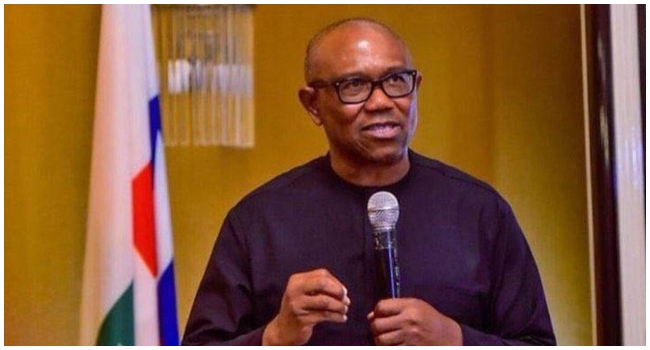
Peter Obi, the former presidential candidate of the Labour Party, has been confirmed as the sole aspirant for the presidential ticket of the Nigeria Democratic Congress (NDC) in the lead-up to the 2027 general election.
This development comes after the closure of the sale of Expression of Interest and Nomination Forms for the party’s presidential primary, with party insiders reporting that Obi was the only candidate to complete the necessary process before the deadline.
In contrast, the NDC has announced an extension for aspirants seeking positions in other elective offices across the nation. This extension impacts roles such as governorship, Senate, House of Representatives, and State Houses of Assembly.
According to a statement from the party’s National Secretary, Mr. Ikenna Morgan Enekweizu, the deadline for collecting Expression of Interest Forms for these categories has been postponed from May 17 to May 24, 2026.
It is important to note that this extension does not apply to the presidential race, as the party has officially closed the window for presidential aspirants.
With Obi being the only candidate, there is growing speculation that he may be positioned as the consensus candidate for the NDC in the upcoming election cycle.
Obi recently joined the NDC after parting ways with the African Democratic Congress, ADC, a move that sparked fresh political conversations within opposition circles and among his supporters nationwide.
According to the timetable released by the party, screening of aspirants will begin on Tuesday, May 19, and end on May 26. The process will cover aspirants who successfully purchased and submitted their completed forms.
The party also fixed May 20 to May 26 for the collection and return of Nomination Forms by aspirants who scale through the screening stage.
The NDC warned that no further extension would be granted after the new deadline and urged aspirants to strictly comply with the timetable and submission guidelines.
It directed all aspirants to appear before screening and pre-qualification panels with relevant documents, including educational certificates, birth certificates or age declarations, passport photographs, voter’s cards, party membership cards and curriculum vitae.
According to the party, all documents are expected to be submitted in six copies to the Screening Committee.
The NDC further explained that aspirants would be assessed based on competence, capacity, character and acceptability among the electorate, while local political realities would also be considered during the screening exercise.
The party added that its affirmative action policy would remain a major consideration, especially for women, youths and persons living with disabilities seeking elective positions under its platform.
It also encouraged aspirants to embrace consensus arrangements where necessary in order to strengthen internal unity ahead of the elections.


Politics1 hour ago
Primaries: Fubara Withdraws As APC Govs Emerge Sole Aspirants

Sports1 hour ago
Celtic Must Move On From Iheanacho — Petrov

Entertainment2 hours ago
It’s A Baby Boy! Sharon Ooja And Ugo Nwoke Welcome Their First Child

Sports11 months ago
Former Super Eagles Star Loses Life Savings, Duped By A Pastor of ₦1.2 Billion

Lifestyle9 months ago
I’m A Married Man, I Can Never Get Myself Involved With Such A Thing, Delta Gov Aide Reveals Why He Offered Comfort ₦500,000 Job

Uncategorized9 years ago
These ’90s fashion trends are making a comeback in 2017
-

 News20 hours ago
BREAKING: Government Declares 5-Day Public Holiday
-
 Politics2 days ago
Trouble For Defectors: List of Disqualified Senators From PDP to APC To Seek Return Tickets
-

 Politics2 days ago
Breaking: NDC Announces Who Will Be Its Presidential Candidate For 2027
-

 News1 day ago
They Told Tinubu I Wanted Him Dead” — Shettima Fires Back
-

 Business2 hours ago
Naira Falls? See Dollar Exchange Rate for May 21, 2026
-
Politics1 day ago
APC Primaries: Governorship Aspirants Shun Consensus Deal In 10 states
-

 News1 day ago
Amaechi: I didn’t Buy Form To Be Atiku’s Running Mate
-
Business22 hours ago
Dollar To Naira Exchange Rate Today, May 20, 2026