
News
FG Warns Over Youth Drug Abuse


The Federal Government has raised the alarm over the rising trend of drug abuse in Nigeria, particularly among young people.
Speaking at the commemoration of the 2025 International Day Against Drug Abuse and Illicit Trafficking themed, “The evidence is clear: Invest in prevention,” in Abuja on Wednesday, the Permanent Secretary of the Federal Ministry of Health and Social Welfare, Daju Kachollom, said the government has unveiled a national strategy focused on prevention, treatment, and recovery to address the crisis.
She noted that an estimated 14.6 million Nigerians engaged in non-medical use of substances such as cannabis and tramadol, according to the 2018 National Drug Use Survey.
“As a nation, we are alarmed by the growing trend of drug abuse, especially among our youths.
“The 2018 National Drug Use Survey reported that approximately 14.6 million Nigerians had engaged in non-medical use of drugs such as cannabis and tramadol.
“This represents one of the highest rates in West Africa and is a clarion call for coordinated and sustained action.
“It is worthy of note that drug abuse is not just a health issue; it is also a development, security, and human capital issue. Left unaddressed, it erodes the fabric of our communities, fuels violence and criminality, burdens our healthcare systems, and limits our future as a nation,” she said.
To tackle this growing problem, she stated that the ministry, in collaboration with the United Nations Office on Drugs and Crime, the World Health Organisation, the National Drug Law Enforcement Agency, Civil Society Organisations, and implementing partners, is fully committed to implementing evidence-based strategies for drug prevention, treatment, and recovery.
“On that note, we are happy that the Medication Assisted Treatment (MAT) intervention has been rolled out and kickstarted as a pilot in one out of four selected states to be cascaded throughout the country in due time.
“We recognise that no single institution can do it alone. Combating drug abuse requires multi-sectoral collaboration — from health and education to law enforcement, community leadership, faith-based organisations, and most importantly, the families who are often the first to notice the signs of addiction,” she noted.
MAT is the use of medication alongside psychological and social support in the treatment of people who are experiencing issues with their drug use.
The Director of Food and Drug Services at the Ministry, Olubunmi Aribeana, noted that the MAT initiative complements other harm reduction strategies, including the needle and syringe programme.
Aribeana, who was represented by Henrietta Bakura-Onyeneke emphasized the importance of shifting toward respectful, non-judgmental approaches that reduce stigma, support rehabilitation, and empower young people and communities to prevent drug addiction.
She added that opioids such as tramadol, codeine, and morphine continue to pose serious public health challenges, while the increasing non-medical use of amphetamines and cannabis demands urgent, coordinated responses.
Aribeana called on MDAs, civil society, and development partners to consider drug abuse as a major threat requiring a united front.
“The Ministry is set to design interventions to help drug users who face stigma and discrimination while promoting language and attitudes that are respectful and non-judgmental while empowering young people and communities to prevent drug use and addiction,” she said.
Aribeana called on MDAs, civil society, and development partners to consider drug abuse a major threat requiring a united front.
The representative of the World Health Organisation, Dr. Alex Gasasira, commended Nigeria’s multi-sectoral approach to addressing drug abuse, including the rollout of MAT and the establishment of 11 model treatment centres.
He highlighted alarming statistics showing a large treatment gap, with only about 10,000 people able to access care annually despite millions needing support, and emphasised the high risk of HIV and hepatitis among people who inject drugs.
“The consequences of drug use have led to health conditions such as drug use disorders, mental health conditions, and other medical comorbidities,” he said.
Gasasira, however, called for increased investment in prevention, expanded treatment access across all states, long-term recovery programs, and data-driven policies to combat the drug crisis effectively.
He urged the government to scale up multi-sectoral public awareness and prevention programmes on drug and substance abuse, ensure access to model drug treatment centres across all states, implement long-term recovery and social reintegration initiatives for drug users, and prioritise evidence-based policymaking through focused research and data use.
In his goodwill message, the chairman and Chief Executive Officer of the National Drug Law Enforcement Agency, Brig. Gen Buba Marwa (retd.) reaffirmed the agency’s commitment to strengthening evidence-based prevention, expanding rehabilitation and reintegration services, and protecting vulnerable populations.
Marwa, who was represented by the Assistant Commander, Narcotics at the agency, Mrs. Etukah Chizoba urged all stakeholders, including government bodies, civil society, traditional institutions, and the media, to act in unison and with urgency.
“As we commemorate this important day, we salute all frontline officers, counsellors, educators, health workers, and community leaders who are working tirelessly to create a drug-free society. Your dedication is the light that guides the path toward recovery, resilience, and hope.
“Together, let us reaffirm our commitment to a healthier, safer, and more secure Nigeria, one where our children and communities are protected from the grip of illicit drugs,” he added.
Punchng.com



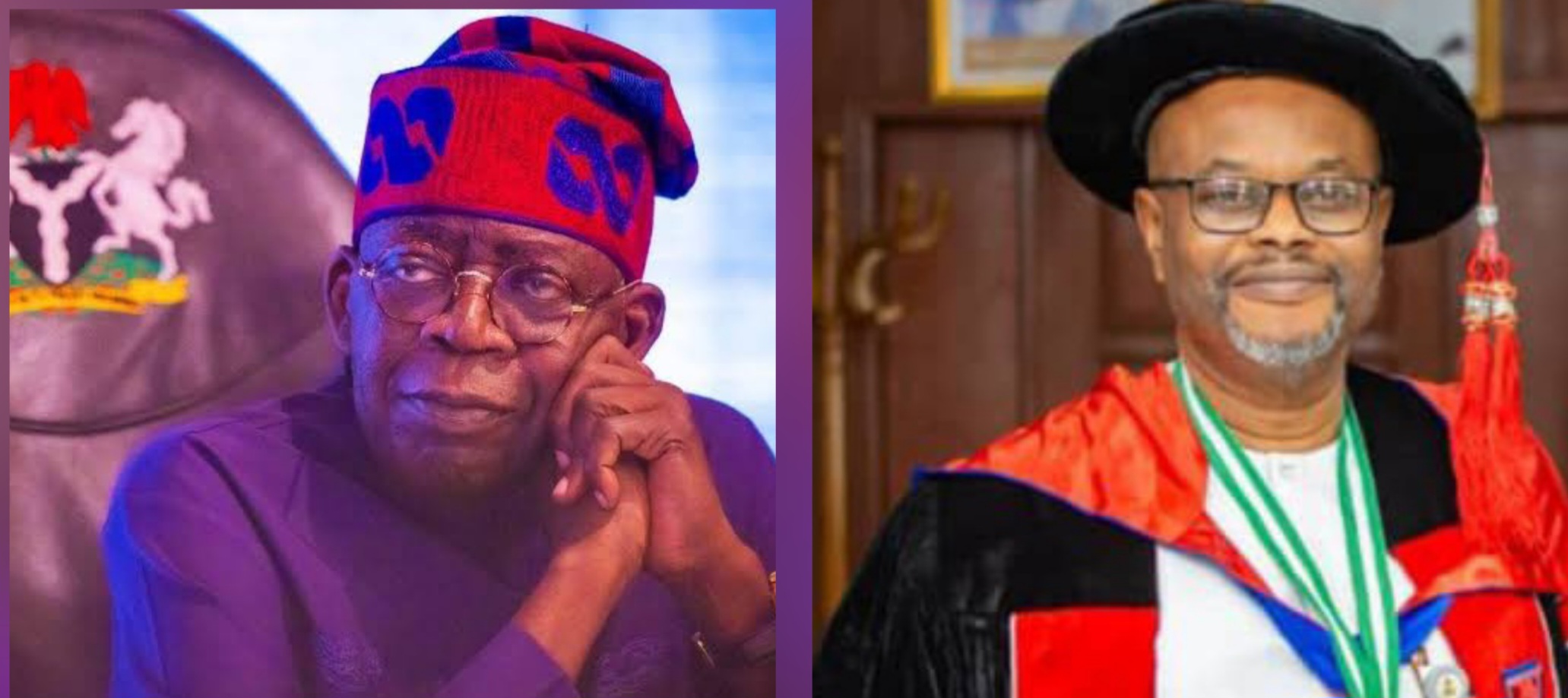
The Independent Corrupt Practices and Other Related Offences Commission (ICPC) has reportedly stepped up its investigation into former Minister of Innovation, Science and Technology, Uche Nnaji, over allegations of certificate forgery.
According to a report by Premium Times, the anti-graft agency has begun efforts to locate the former minister after he allegedly failed to honour several invitations issued in connection with the ongoing investigation.
The publication reported that sources familiar with the matter said the ICPC had invited Nnaji for questioning through different channels, including telephone calls, emails and WhatsApp messages, but he did not appear before investigators.
One of the sources quoted by the newspaper claimed that the commission could declare the former minister wanted if attempts to secure his appearance are unsuccessful.
The latest development is said to be part of an investigation that followed a lengthy inquiry by Premium Times into Nnaji’s academic records and National Youth Service Corps (NYSC) documents.
The newspaper had earlier alleged that the former minister submitted forged degree and NYSC certificates during his ministerial screening and confirmation process in 2023.
According to the report, the ICPC has also sought information from the University of Nigeria, Nsukka (UNN), as part of its investigation.
Another source cited by Premium Times alleged that Nnaji’s failure to respond to the invitations may be linked to his political ambitions ahead of the 2027 governorship election in Enugu State.
The newspaper recently reported that the former minister moved from the All Progressives Congress (APC) to a faction of the Peoples Democratic Party (PDP) and later emerged as its governorship candidate.
Neither Nnaji nor his media aide, Robert Ngwu, had publicly responded to the latest allegations as of the time of filing this report. Premium Times said calls and messages sent to his spokesperson were not answered.
The controversy surrounding the former minister began after investigations into his academic qualifications were published in 2023.
According to the newspaper, Nnaji had approached the Federal High Court in Abuja in a bid to stop the release of his academic records by the University of Nigeria, Nsukka.
However, Premium Times reported that university authorities later informed the newspaper that although Nnaji was admitted into the institution, he did not graduate or obtain the certificate attributed to him.
The publication also stated that the National Youth Service Corps disowned the discharge certificate allegedly presented by the former minister.
Nnaji eventually resigned from his position shortly after the allegations became public.
The matter has continued to attract public attention, with several lawyers and civil society groups calling for a thorough investigation and, where necessary, prosecution in line with the law.
In a related development, POLITICS NIGERIA also reported earlier this year that an investigative panel set up by the Federal Ministry of Education examined the matter as part of a broader review of the allegations surrounding the former minister’s credentials.
The ICPC has yet to release an official public statement detailing the current status of its investigation
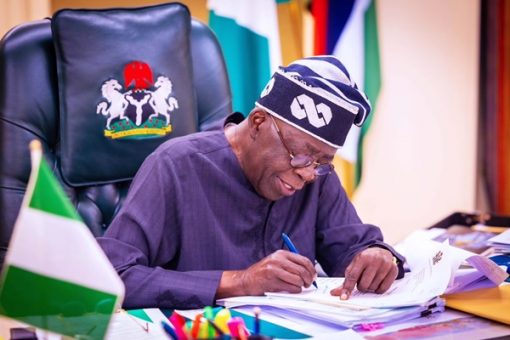
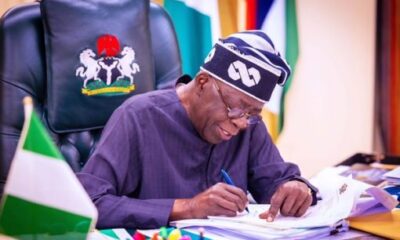
Nigeria’s Ministry of Interior is set to declare a nationwide public holiday across all sectors to mark Democracy Day 2026, potentially granting a one-day break for both private and public sector employees.
The federal government’s announcement regarding Democracy Day will be the only national public holiday observed in Nigeria in June 2026.
Democracy Day commemorates the 1993 presidential election and the nation’s struggle for democratic freedom. June 12, 2026, falls on a Friday.
On June 6, 2018, the late former president Muhammadu Buhari, in a public statement, changed the Democracy Day from May 29 to June 12, in honour of the June 12, 1993, presidential election and its winner, Moshood Kashimawo Olawale Abiola, who died in prison.
Abiola was born on August 14, 1937 and passed away under suspicious circumstances on July 7, 1998. A popular Ogun businessman, publisher, and politician of the Egba clan, he is often referred to as MKO Abiola.
He ran for the presidency in 1993 and was widely regarded as the presumed winner of the election, which was annulled by former military head of state, General Ibrahim Babangida.
Some southwest states had been celebrating June 12 as a public holiday and are holding ceremonies in Abiola’s honour until Buhari officially declared the day as Nigeria’s real democracy day. The former president, on Monday, June 10, 2018, signed the Public Holiday Amendment Bill into law.
The law, according to the former president’s ex-senior special assistant on National Assembly Matters (Senate), Ita Enang, allows a public holiday to be declared on June 12 every year, while May 29 is to be a handing-over date.

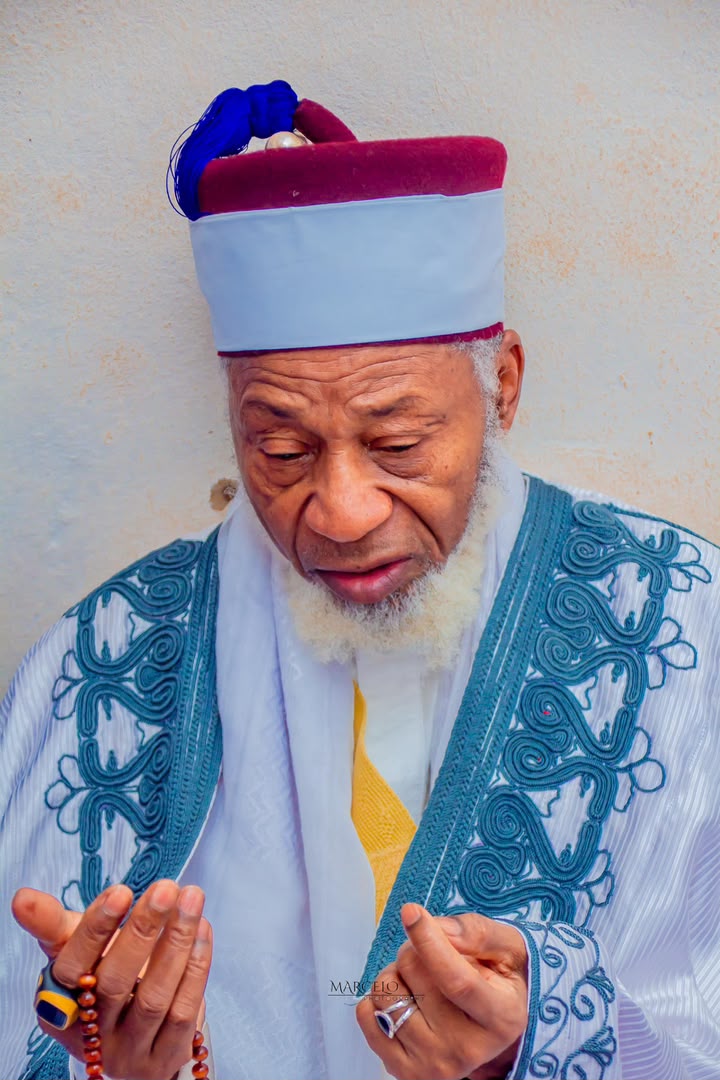
A top Nigerian monarch, the Emir of Gazargamu in Yobe State, His Royal Highness Alhaji Ahmad Tijjani Ibn Saleh, has died after a prolonged illness.
The monarch passed away on Tuesday in Cairo, Egypt, where he had been receiving medical treatment.
His son, Engr. Tijjani Hamisu Bala, who is the General Manager of the Yobe State Road Maintenance Agency (YORMA), confirmed the development to Daily Trust in Damaturu.
In a statement announcing the death, Bala described the late emir as a father, mentor and traditional ruler whose life was devoted to the service of his people and humanity.
“With profound sorrow and total submission to the will of Almighty Allah, I announce the passing of my beloved father, namesake and traditional ruler, His Royal Highness Alhaji Ahmad Tijjani Ibn Saleh, the Emir of Gazargamu, who returned to his Creator today, June 9, 2026, in Cairo, Egypt, after a protracted illness,” he said.
He said the late emir’s life was marked by wisdom, humility, courage and unwavering dedication to the service of his people.
“His fatherly guidance, leadership and legacy will remain a source of inspiration to us all,” he added.
Bala prayed to Allah to forgive the late monarch’s shortcomings and grant him Al-Jannatul Firdaus; and give the family and the entire emirate strength and patience to bear the painful loss.
As of the time of filing this report, details of the burial arrangements were yet to be announced, while it remained unclear whether the late emir would be buried in Nigeria or in Egypt.


BREAKING: ICPC Begins Search For Tinubu’s Ex-Minister Over Certificate Scandal

BREAKING: Peter Obi Drags Kenneth Okonkwo to Court, Reasons Emerge

FG to Declare Nationwide Public Holiday, Date Revealed

Former Super Eagles Star Loses Life Savings, Duped By A Pastor of ₦1.2 Billion

I’m A Married Man, I Can Never Get Myself Involved With Such A Thing, Delta Gov Aide Reveals Why He Offered Comfort ₦500,000 Job

Lagos Imposes ₦250,000 Fine For Illegal Waste Disposal

-

 Politics2 days ago
BREAKING: APC Releases List of Qualified Senatorial Candidates Ahead 2027
-
 News2 days ago
JUST IN: INEC Releases Final List Of Candidates For 2026 elections
-
 Politics1 day ago
BREAKING: Kwankwaso Breaks Silence on Dumping NDC
-
 News15 hours ago
FG to Declare Nationwide Public Holiday, Date Revealed
-

 Business1 day ago
JUST IN: Marketers Crash Petrol Prices Nationwide, New Pump Prices Emerge
-

 News21 hours ago
BREAKING: Top Nigerian Emir is Dead, Details Emerge
-
 Politics2 days ago
Tension as Fresh Move to Remove NDC Before 2027 Emerges –
-
 News2 days ago
Abductors Demand Sharia Law, ₦1bn Ransom For Release Of Oyo Pupils, Teachers