
Foreign
Nike To Hike Prices Amid Trump’s China Tariffs

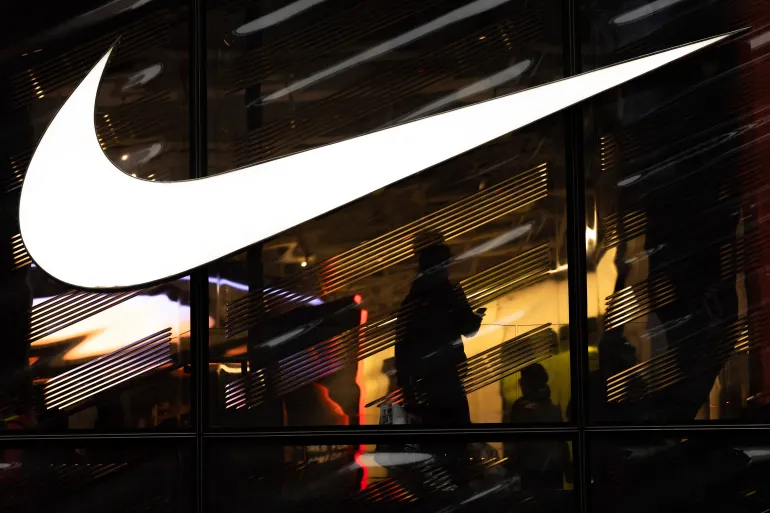
Nike joins companies like Walmart, Target and Mattel that have said they will need to raise prices.
Nike has said it will cut its reliance on production in China for the United States market to mitigate the impact from US tariffs on imports, and forecast a smaller-than-expected drop in first-quarter revenue.
The sportswear giant’s shares zoomed 15 percent at the opening bell on Friday morning after it announced the change in conjunction with its earnings report released on Thursday.
US President Donald Trump’s sweeping tariffs on imports from key trading partners could add about $1bn to Nike’s costs, company executives said on a post-earnings call after the sportswear giant topped estimates for fourth-quarter results.

China, subject to the biggest tariff increases imposed by Trump, accounts for about 16 percent of the shoes Nike imports into the US, Chief Financial Officer Matthew Friend said. However, the company aims to cut the figure to a “high single-digit percentage range” by the end of May 2026 as it reallocates Chinese production to other countries.
“We will optimise our sourcing mix and allocate production differently across countries to mitigate the new cost headwind into the United States,” he said on a call with investors.
Consumer goods are one of the most affected areas by the tariff dispute between the world’s two largest economies, but Nike’s executives said they were focused on cutting the financial pain. Nike will “evaluate” corporate cost reductions to deal with the tariff impact, Friend said. The company has already announced price increases for some products in the US.
“The tariff impact is significant. However, I expect others in the sportswear industry will also raise prices, so Nike may not lose much share in the US,” David Swartz, analyst at Morningstar Research, told the Reuters news agency.

CEO Elliott Hill’s strategy to focus product innovation and marketing around sports is beginning to show some fruit, with the running category returning to growth in the fourth quarter after several quarters of weakness.
Having lost share in the fast-growing running market, Nike has invested heavily in running shoes such as Pegasus and Vomero, while scaling back production of sneakers such as the Air Force 1.
“Running has performed especially strongly for Nike,” said Citi analyst Monique Pollard, adding that new running shoes and sportswear products are expected to offset the declines in Nike’s classic sneaker franchises at wholesale partner stores.
Marketing spending was up 15 percent year on year in the quarter.
On Thursday, Nike hosted an event in which its sponsored athlete Faith Kipyegon attempted to run a mile in under four minutes. Paced by other star athletes in the glitzy event that was livestreamed from a Paris stadium, Kipyegon fell short of the goal but set a new unofficial record.
Nike forecast first-quarter revenue to fall in the mid-single digits, slightly better than analysts’ expectations of a 7.3 percent drop, according to data compiled by LSEG. Its fourth-quarter sales fell 12 percent to $11.10bn, but still beat estimates of a 14.9 percent drop to $10.72bn.
China continued to be a pain point, with executives saying a turnaround in the country will take time as Nike contends with tougher economic conditions and competition.
Looming trade deal as prices rise
Nike’s woes come as a trade deal with China could be on the horizon. US Treasury Secretary Scott Bessett said on Friday that the administration could have a deal with Beijing by Labor Day, which is on September 1.
Under the deal, the US will likely impose 55 percent tariffs across the board on Chinese goods, down from 145 percent, still a significant burden on businesses.
o a survey from Allianz Global Trade last month, 38 percent of businesses say they will need to raise prices for consumers, with Nike being the latest.
In April, competitor Adidas said it would need to eventually raise prices for US consumers.
“Cost increases due to higher tariffs will eventually cause price increases,” CEO Bjorn Gulden said at the time.
Walmart said last month that its customers will see higher price tags in its stores as the nation’s biggest big box retailer prepares for back to school shopping season.
Target, which had a bad first quarter driven by boycotts and the looming threat of tariffs, also has been hit as the big box retailer gets 30 percent of its goods from China.
Aljazeera.com
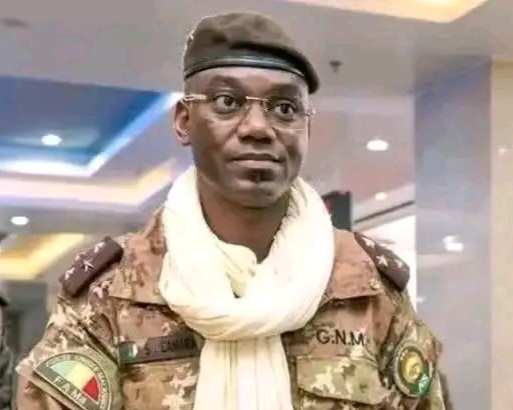
Mali’s Defence Minister, Sadio Camara, has been killed following a wave of coordinated attacks targeting military installations across the country.
Camara reportedly died from injuries sustained during an attack on his residence in Kati, a key military garrison town located about 15 kilometres from Bamako.
The assault, which occurred barely 24 hours before his death, involved a suicide car bomb and formed part of a broader offensive across the country.
The attacks were reportedly carried out by fighters linked to Jama’at Nusrat al-Islam wal-Muslimin, an al-Qaeda-affiliated group, alongside Tuareg rebels from the Liberation Front of Azawad.
According to Al Jazeera, the attackers were able to breach Kati, considered one of the most secure military locations in Mali.
Camara, a key figure in Mali’s military leadership, rose to prominence after playing a central role in the coups of 2020 and 2021 that brought the current junta to power.
Al Jazeera’s Nicolas Haque described his death as significant.
“He was one of the most influential figures within the ruling military leadership… His death is a major blow to the country’s armed forces,” he said.
The coordinated offensive extended beyond Kati, with gunmen attacking several locations including Bamako, Gao, Kidal and Sevare.
“As we speak, people in the garrison town of Kidal can still hear heavy gunfire and loud explosions,” Haque said, adding that the operation remained ongoing more than 24 hours after it began.
The attacks have intensified pressure on Mali’s interim leadership, with analysts suggesting that security forces were overwhelmed by the scale and coordination of the violence.
However, Interim President, Assimi Goita, was reportedly moved to safety and remains in control of the military.
International bodies, including the African Union, the Organisation of Islamic Cooperation, and the United States Bureau of African Affairs, have condemned the attacks and called for urgent measures to restore stability.
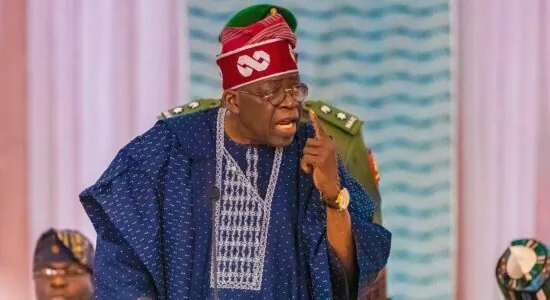
President Bola Tinubu has declared Nigeria’s support for countries in the Gulf region following rising tension linked to the ongoing conflict involving the United States, Israel, and Iran.
Naija News reports that he made this known in Abuja during a formal ceremony where he received letters of credence from several foreign diplomats. The event had representatives from countries such as Qatar and Saudi Arabia, alongside envoys from Lebanon, Sudan, Namibia, Rwanda, Somalia, Argentina, and Congo.
During the meeting, the president assured the visiting diplomats that Nigeria stands with nations in the Gulf, including the United Arab Emirates, Saudi Arabia, Qatar, Kuwait, Bahrain, Oman, and Jordan. He praised their calm approach in handling the situation and stressed the need for peace across the region.
Tinubu described the diplomatic gathering as an important step in strengthening Nigeria’s relationship with other countries. He encouraged the envoys to build stronger partnerships with Nigeria that would benefit both sides.
He also spoke about his government’s economic direction, saying efforts are being made to position Nigeria as an attractive destination for investors. He pointed out opportunities in areas like infrastructure, economic growth, and diaspora involvement, inviting the diplomats to explore these sectors.
On regional matters, the president restated Nigeria’s role in the Economic Community of West African States, especially in maintaining democratic order, improving trade among member states, and addressing instability in the Sahel region.
Tinubu further noted that global issues such as climate change, energy challenges, terrorism, and unfair financial systems require countries to work together.
He said Nigeria is ready to cooperate with other nations both directly and through international platforms to promote a safer and fairer global system.

According to a report by Telegraph, on Thursday April 23, 2026, Israel’s defence minister has declared the country stands prepared to resume military operations against Iran, but only upon receiving authorisation from the Trump administration, as tensions between the two nations continue to simmer beneath a fragile ceasefire.
The statement came amid fresh alarm in the Iranian capital on [date], after Iranian state media reported that explosions were heard above Tehran and air defence systems were activated across the city. The developments immediately triggered speculation of a new Israeli strike, drawing swift attention from regional observers and international monitors tracking the volatile situation.
However, a source within the Israeli military moved quickly to dismiss those claims. Speaking to Israeli outlet Ynet, the source firmly stated that Israel had not carried out any attacks on Iran, offering a direct contradiction to the wave of concern that had swept through diplomatic circles following the reports from Tehran.
A ceasefire between the two countries has been in effect since April 8, and Israeli officials have so far indicated no public breach of that agreement. Despite this, the defence minister’s earlier remarks have raised serious questions about how durable that truce remains, particularly given its apparent dependency on political decisions emanating from Washington.
The reference to a required “green light” from the Trump administration underscores the degree to which Israeli military calculations are now intertwined with American foreign policy direction. Analysts note that this framing places significant weight on Washington’s posture toward Tehran, effectively making U.S. political will a trigger mechanism for potential renewed hostilities in the region.
Iran has not officially responded to the Israeli defence minister’s statement at the time of reporting. The sounds heard over Tehran, while alarming to residents and regional watchers, remain unexplained by Iranian authorities beyond initial media reports of activated air defences.
The situation reflects the precarious nature of the current ceasefire, with both nations maintaining high military readiness even as formal hostilities remain paused. Observers warn that the combination of unexplained aerial activity and bellicose ministerial language represents a dangerous mix that could rapidly destabilise the existing arrangement.


Political Twist: Nigerians React as NDC Gives Key Appointment to Peter Obi’s Popular Critic

Tragedy as Adeleke Dies On Official Assignment in Switzerland

BREAKING: Femi Falana, Others Announce Date for Nationwide Protest Over Insecurity, Hunger

Former Super Eagles Star Loses Life Savings, Duped By A Pastor of ₦1.2 Billion

I’m A Married Man, I Can Never Get Myself Involved With Such A Thing, Delta Gov Aide Reveals Why He Offered Comfort ₦500,000 Job

Lagos Imposes ₦250,000 Fine For Illegal Waste Disposal

-
 News2 days ago
FG to Declare Nationwide Public Holiday, Date Revealed
-
 News22 hours ago
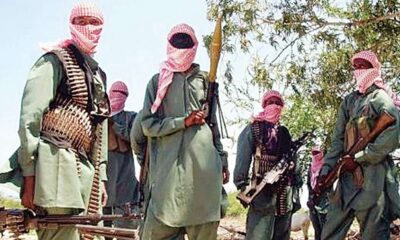
Bandits Strike Again, Kill Vice Principal in Fresh School Attack
-
 News2 days ago
BREAKING: Top Nigerian Emir is Dead, Details Emerge
-

 Politics22 hours ago
BREAKING: Court Takes Action on APC Primaries
-
 Business18 hours ago
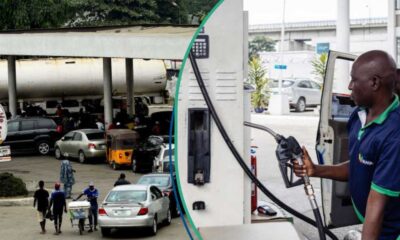
Filling Stations Adjust Petrol Prices Again as New Landing Cost Emerges
-

 News1 day ago
BREAKING: Tinubu’s Ex-Minister in Trouble Over Certificate Scandal
-

 Politics2 days ago
BREAKING: INEC Updates Portal, Lists New PDP National Executives
-
Health4 hours ago
Tragedy as Adeleke Dies On Official Assignment in Switzerland