
Tech
‘Profound Sadness’: Peter Obi Grieves Death of Influential Christian Leader

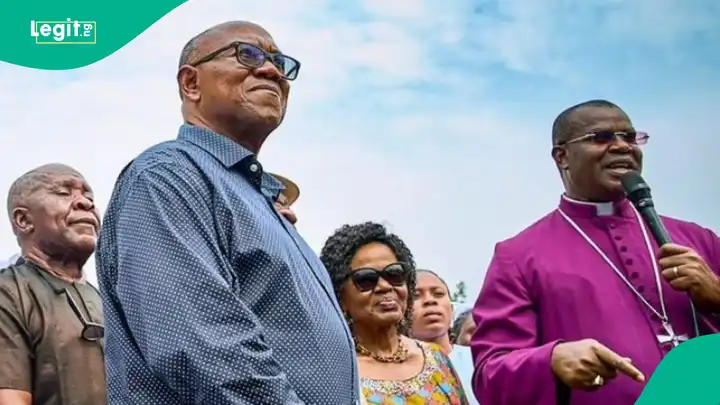
Peter Obi, presidential candidate of the Nigeria Democratic Congress (NDC) for the 2027 elections, on Thursday morning, July 16, 2026, announced the death of Reverend William Okoye, whom he described as a distinguished figure within the All Christians Fellowship Mission (ACFM).
Obi broke the news in a personal statement, expressing deep sorrow over the loss of a cleric he said belonged to a generation of spiritual leaders defined not by fame or large platforms but by the genuine depth of their influence on ordinary people.
Obi wrote in his tribute shared on his verified X page on Thursday morning, July 16: “Rev. Okoye belonged to that rare generation of spiritual leaders who understood that the true measure of ministry is not in the size of its platforms but in the depth of its impact on humanity.”
According to Obi, Rev. Okoye spent his ministry equipping people to live with purpose, discipline, and moral conviction. The politician credited the late cleric with inspiring countless individuals through his teachings, personal conduct, and leadership within the ACFM body.
The presidential hopeful described the death as a blow not only to the Okoye family and the wider Christian community but also to Nigeria as a nation, noting that the country currently stands in need of voices capable of fostering unity and healing.
He said: “His passing is a great loss to his family, the entire All Christians Fellowship Mission (ACFM), the Body of Christ, and our dear nation, Nigeria, at a time when our country yearns for voices that unite, heal, and inspire people to pursue justice, peace, and compassion.”
While acknowledging the grief surrounding the cleric’s departure, Obi struck a note of celebration, saying the life Rev. Okoye lived warranted recognition rather than grief alone.

He expressed confidence that the values the reverend championed would outlast his physical presence and continue shaping lives across generations.
Obi closed his tribute with a direct appeal, urging those who mourn the cleric to honour his memory by committing themselves to selfless living, sincere love, and diligent work toward building a just and peaceful Nigeria.
Obi concluded: “May his gentle soul rest in perfect peace.”
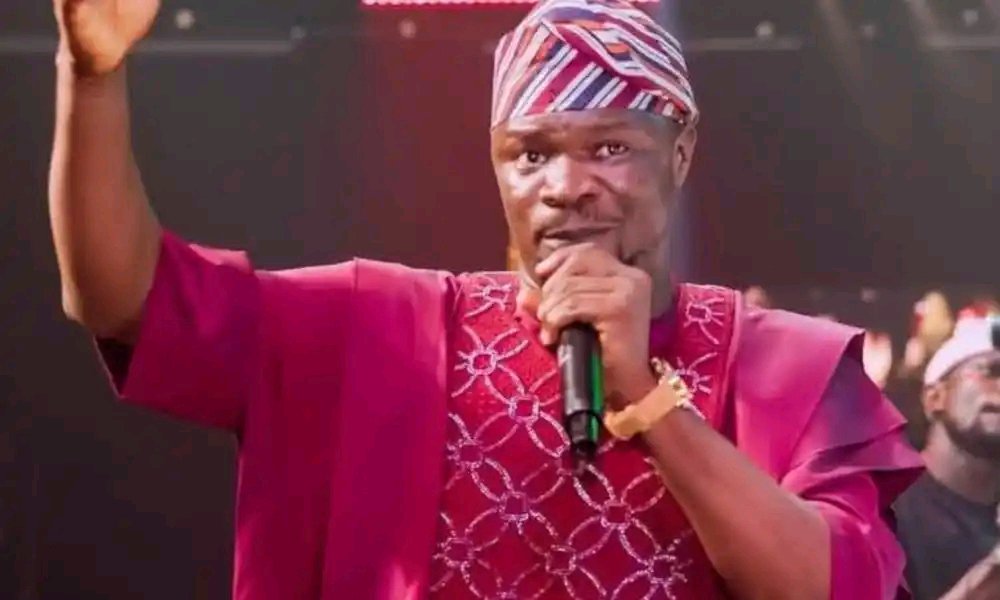
Nigerian gospel singer, Toluwanisings is reportedly dead
His death was announced by the Convener of the Coalition of Public Interests Lawyers and Advocates, COPA, Pelumi Olajengbesi on Wednesday.
Expressing concern over the death of young Nigerians, Olajengbesi, in a post on Instagram, pleaded for God’s mercy.
Concerns mount over reports of Toluwanisings’ death
While noting that the death of Toluwanisings is not God’s plan, he wrote, “We say no to untimely death.”
Sharing the singer’s picture, Pelumi said, “My God! What a life! No, Lord! We plead for Your mercy upon Toluwanisings.
“I am deeply troubled by the deaths of young men and women. This is not God’s plan for us.”
Reacting to the sad news, comedian Woli Agba said they are still praying for a miracle.
He wrote on his page, “Please hold on. Please don’t conclude. We are trusting God. Please.”
Responding in the comments section, singer Boyebest wrote, “Yes yes yes. Yeah I have faith in God. I do. God you’ll do this one.”
This came about two hours after the rumour first surfaced on social media.
DAILY POST reports that the circumstances surrounding the singer’s death have not been revealed as of the time of this report
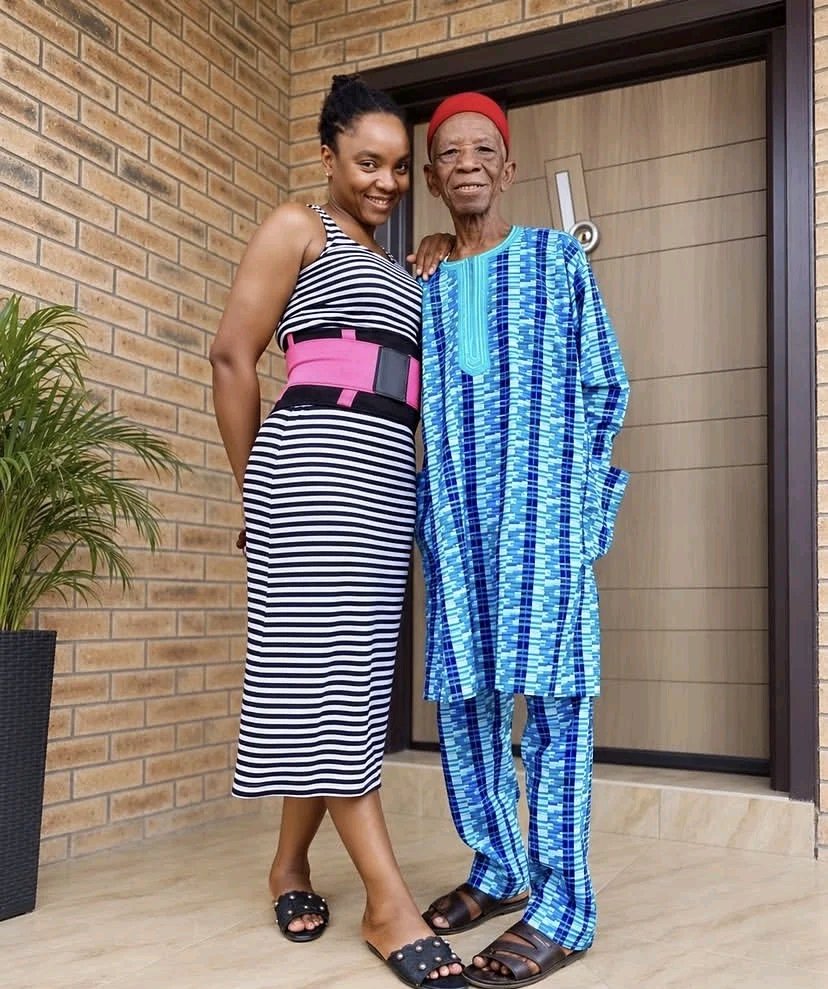
Nollywood actress, Chioma Chukwuka-Akpotha has announced the death of her father, Leonard Ndukaife Chukwuka.
The actress disclosed this in an emotional post on Instagram on Friday, saying her father had “gone to be with the Lord.”
Chukwuka said she lost her mother 13 years ago and described the death of her father as painful, noting that she was now without either parent.
“I lost my mother 13 years ago and now that my father is gone, the thought that I have neither parent here anymore breaks my heart in a way I cannot fully explain. So na only me bayi?”
Nollywood actress, Chioma Akpotha and her late father, Leonard Chukwuka…Photo Credit: IG / chiomaakpotha
Describing her late father as “my daddy, papa’m, obara’m, my comfort,” the actress expressed gratitude for his long life and for the opportunity he had to see his children and grandchildren.
“I am so thankful you lived a long life, and I am grateful to God you saw your children and grandchildren. We had hoped you would meet your great-grandchildren too, mana nya diba!” she said.
Chukwuka also reflected on the difficulty of losing a parent, regardless of their age.
“No matter how many years we are given with a parent, we still want one more conversation, one more embrace, one more day,” she wrote.
She said she was grateful for the moments she shared with her father, particularly towards the end of his life.
Nollywood actress, Chioma Akpotha..Photo Credit: IG / chiomaakpotha
The actress said she had kept the news private while coming to terms with her grief before deciding to announce his death.
“I have held this news close while trying to understand my own grief,” she said.
She asked the public to keep her, her siblings and the entire Chukwuka family in their prayers, adding that details of her father’s funeral would be announced when the family was ready.
“Rest well, Olowo of Ikate, my father. I will always love you,” she wrote.
Chukwuka accompanied the announcement with biblical passages, including Proverbs 17:6 and Psalm 34:18, which speaks of the Lord being close to the brokenhearted.
The government has declared Monday, September 21, 2026, as a statutory public holiday to mark Founder’s Day.
The Ministry of the Interior announced the declaration in a notice dated September 14, 2026, informing the general public that the day should be observed as a public holiday throughout the country.
Founder’s Day is a day set aside to recognise the people whose efforts contributed to Ghana’s struggle for independence and the establishment of the country.
The day is closely associated with Dr Kwame Nkrumah, Ghana’s first Prime Minister and later President, who played a leading role in the country’s independence movement.
September 21 is also significant because it is Nkrumah’s birthday.
The holiday has, however, been the subject of changes over the years. Under the Public Holidays (Amendment) Act, 2019, August 4 was designated Founder’s Day, while September 21 was observed as Kwame Nkrumah Memorial Day.
The 2025 amendment changed this arrangement, with September 21 now listed as Founder’s Day. The Ministry of the Interior’s 2026 public holiday calendar confirms September 21 as Founder’s Day and a statutory public holiday.
Founder’s Day provides an opportunity for Ghanaians to reflect on the country’s journey to independence and remember the individuals and movements that contributed to the establishment of the Ghanaian state.
It is also a day to reflect on the values, sacrifices and political struggles that shaped Ghana’s path to independence.
The holiday falls on Monday, September 21, 2026, meaning workers, students and the general public will have a statutory holiday on that day.
The public is therefore encouraged to take note of the date and observe the holiday accordingly.


Details Of How Singer Toluwanisings Died Revealed
BREAKING: Tragedy As Former President’s Son Dies In Egypt


