
Politics
June 12 Echoes As Ememobong Resigns In Akwa Ibom Political Split

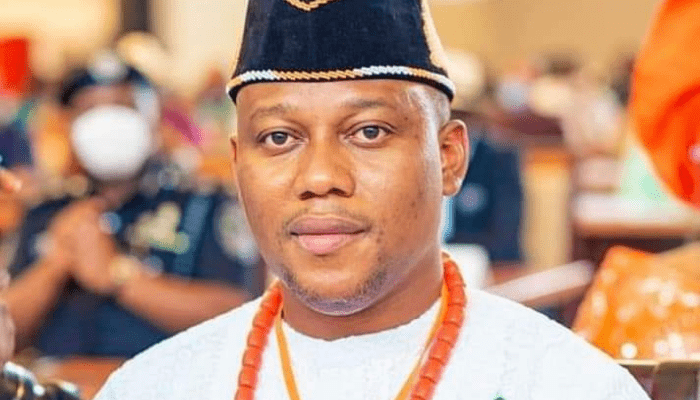
These are interesting times in Nigeria. June 12 is on the lips of many Nigerians today. The date means different things to different people. It would seem that governance has lost its meaning here. There’s a need for a rethink. Last week was especially historic in Akwa Ibom State. A commissioner, Ini Ememobong, refused to follow the “multitude”; he decided to be a lone ranger. There is hope for our country!
June 12: The pang and fury linger 32 years after
The commemoration of June 12, 1993, today will be a mixed bag. For some Nigerians, it will be an occasion of rolling out the drums and clinking of glasses in celebration, but for many others, it will catapult them back to the feeling of the pang and fury of that unfortunate moment.
Precisely 32 years ago, a presidential election was held in Nigeria, the first since the military coup ended the Second Republic.

The election held so much hope for the country. It was organised by the military junta led by Ibrahim Badamasi Babangida (IBB) through the National Electoral Commission (NEC) superintendent Humphrey Nwosu, a professor.
The election was a straight fight between Moshood Kashimawo Olawale (MKO) Abiola of the Social Democratic Party (SDP) and Bashir Tofa of the National Republican Convention (NRC).
It was one of the most peaceful elections in the history of Nigeria, but the winner was never declared, as the exercise was annulled by IBB, citing electoral irregularities.
The annulment ushered in a chain of political instability, leading to the forced “stepping aside” of Babangida and the installation of a weak interim government headed by Ernest Shonekan.

Shonekan was later shoved aside by General Sani Abacha who imposed himself as the head of state.
The chains of crises that arose following the annulment, including the brutal assassination of Kudirat Abiola and the unexplainable death of MKO Abiola in Abacha’s gulag, led to the death of many innocent citizens in some parts of the South West geo-political zone where Abiola hailed from.
Before then, dozens of Nigerians had died either on the road or in their villages as they fled Lagos and some other states across the country for fear of an outbreak of war.
Normalcy began to return following the sudden death on July 7, 1998, of Abacha and the enthronement of Abdulsalami Abubakar as the new head of state.
The belief that Abiola won the annulled election has been widespread in the country, but the media have always cautiously used the phrase ‘presumed winner’.
But things began to get clearer as to the real winner of the 1993 presidential election when Goodluck Jonathan, in a bid to recognise and immortalise Abiola, named some national monuments after him.
“The Federal Government has decided that late Chief MKO Abiola should be honoured. “In honour of Chief MKO Abiola, the University of Lagos is renamed the Moshood Abiola University,” Jonathan said on May 29, 2012.
This, however, elicited wide controversy, leading to stepping back by the government.
President Muhammadu Buhari took the recognition a notch higher when he moved Democracy Day from May 29 of every year to June 12.
But if anybody was still in doubt as to whether or not Abiola indeed won that election, such was cleared on Thursday, February 20, 2025, when Babangida, during the launch of his autobiography, ‘A Journey In Service’, in Abuja, made the confession.
He, however, shifted the blame of the annulment to his subordinates, chiefly, Abacha.
It would not be out of place to say that most, if not all, the actors in the nation’s political space today are beneficiaries of the annulment one way or another.
What has become a sing-song in the polity is that the democracy that has existed since 1999 may not be the same version envisioned by MKO Abiola when he contested to lead the country.
Apart from the fact that the so-called democracy has helped to further the cause of a few politicians, the multitude of citizens are still locked in the neglect that was their lot during the jackboot era.
Many families remember June 12 as a black day in their lives as a result of incalculable personal losses they suffered following the annulment of the presidential election. It is, indeed, a day to forget or remember depending on the speaker and the audience.
Most state actors have a very wrong definition of governance. For many of those who occupy executive offices, their understanding of good governance begins and ends with road construction. They will tell you how many kilometres of road they have constructed in a year; never mind that the cost of such constructions is usually inflated or ‘padded’ in Nigerian parlance.
Some years ago, while deploring the claim of road construction as the beginning and end of good governance, Pat Utomi, a professor of political economy, said that the long-lasting investment any government can make is in human capacity development.
He also said that no matter how solid a road is, it would go bad after some years of usage.
He recalled when the Lagos-Ibadan Motorway was newly constructed, and it used to take him about 30 minutes to get to Ibadan from Lagos. He said that despite the investment and the good efforts of the then government, the road still went bad, and successive governments and administrations have continued to carry out multi-billion-naira rehabilitation work on the same road.
Good governance is about a framework for how organisations and governments should operate, emphasising accountability, transparency, and the rule of law. While good roads are a sine qua non of development, they must not be taken as the only focal point of governance or the fulcrum around which it revolves.
Nigerians hear about too many road constructions and their commissioning, but their lives have not been positively impacted by this road infrastructure. Would it not rather be great to spread the funds to other amenities that also have a direct and lasting impact on the lives of the people? Just thinking aloud.
A trophy for Ememobong
On the day Governor Umo Eno of Akwa Ibom State gave a marching order to his commissioners and other aides to either fall in or fall out, almost all members of his cabinet, except one, responded, “His Excellency lives forever; on your mandate we shall stand.”
Eno had given a subtle threat to anyone who may refuse to follow him to his new party; all his commissioners, except Ini Ememobong, decided to follow the governor to guarantee a constant flow of the stomach infrastructure.
On the eve of the defection and the razzmatazz associated with it, Ememobong, commissioner for Special Duties and Ibom Deep Seaport, nailed his own version of “95 theses”, as it were, at the wall of the Government House, Uyo, Akwa Ibom State, through a well-crafted resignation letter that neither denigrated nor abused the governor but simply acknowledged their individual rights to their ideological differences.
Ememobong, through his boldness and candour, has shown that not everybody is crazy about being in government by all means.
At a time in the country when there is famine and many people are desperate to grab a political post and hang in there so far as it guarantees them a regular flow of income, Ememobong decided to toe the path of biblical Daniel, bluntly refusing Governor Eno’s steaming pot of porridge.
“Daniel purposed in his heart that he would not defile himself with the portion of the king’s meat nor with the wine which he drank…” (Daniel 1:8).
As Martin Luther was vehement, defending his faith, arguing that the “Just Shall Live by Faith” and that work alone was not sufficient to guarantee anybody entrance into the kingdom of God, a belief at variance with what the leaders of his church held so dear, he was told to recant. To this, he replied, “My conscience is captive to the word of God. This, I cannot and will not recant, because acting against one’s conscience is neither safe nor sound. Here I stand; I can do no other. God help me.”
At the young age of 41, Ememobong would have easily chosen to continue with the governor and perhaps have his eyes on a bigger pie at the centre. But he strongly believes that “So then, it is not of him that willeth, nor of him that runneth, but of God that sheweth mercy.”
His decision to join his former boss, Udom Emmanuel, who by reason of Eno’s defection has been left in the cold, as it were, is a lesson in loyalty.
Ememobong simply remembered yesterday, when Emmanuel insisted on him as commissioner and gave him the free hand to operate.
In a country where conscience does not matter in politics, successors have always severed relationships with their predecessors when they consider themselves “arrived”. Governor Eno may have considered himself “arrived” and decided to ditch his former boss in the most horrendous way. I hear you ask feebly; didn’t Emmanuel do the same to Godswill Akpabio? That is a story for another day.
Ememobong deserves a space in the Nigerian history book for his shining example and proving that not every Nigerian can afford to sell his/her birthright for a pot of porridge.
May I propose a toast for Comrade Iniobong Ememobong, ‘Politician of the Half Year 2025’, for his audacity, good-naturedness, selflessness and principled stand when it mattered most!
Businessday.ng
Ondo State Governor Lucky Aiyedatiwa has dismissed reports linking him with the African Democratic Congress (ADC), insisting that he remains fully committed to the All Progressives Congress (APC) ahead of the 2027 general elections.APC party information
The governor reacted after photographs of him with the ADC’s Ondo Central Senatorial candidate, Senator Ayo Akinyelure, surfaced online following a church service at the Government House Chapel in Akure on Sunday.
The images, which also showed some of Akinyelure’s supporters and other personalities from Idanre, led to speculation that Aiyedatiwa was building political ties with members of the opposition.
Responding through a statement issued on Monday by his Chief Press Secretary, Ebenezer Adeniyan, the governor described the reports as “false, misleading and deliberately mischievous,” accusing those behind them of trying to create division within the APC.
Aiyedatiwa explained that the Government House Chapel, like the mosque within the Government House complex, is a public place of worship open to everyone, regardless of political affiliation.
“The Government House Chapel is a public place of worship. Just like the Mosque within the Government House premises, the Chapel is open to all citizens, religious leaders and public officials who wish to worship. It is not an APC-only facility. To suggest otherwise is to misunderstand the purpose of Government House as the house of all the people of Ondo State,” the statement said.
The governor clarified that Senator Ayo Akinyelure attended the church service to worship and also used the opportunity to appreciate him for sending representatives and a goodwill message to his 70th birthday celebration held last week.
According to the statement, “Senator Akinyelure was at the Government House Chapel to worship and to personally thank His Excellency for sending representation and a goodwill message on the occasion of his 70th birthday last week. This is a normal act of courtesy, decorum and respect that transcends party lines.”
The statement further pointed out that Senator Ayo Akinyelure is the younger brother of Chief Pius Akinyelure, a prominent APC leader, ally of President Bola Tinubu and Chairman of the Governor’s Advisory Council in Ondo State.APC party information
Rejecting claims of any political understanding with the ADC, the governor stressed that the meeting should not be interpreted as an alliance with the opposition.
“Governor Aiyedatiwa remains committed to the APC and all its candidates. The Governor will work with all party structures to ensure that APC wins all elections in Ondo State,” the statement added.
The governor urged APC members and residents of the state to ignore what he described as attempts by political opponents to sow confusion within the ruling party, maintaining that his administration remains focused on governance rather than political distractions.Leadership development programs
“The Governor remains focused. The APC remains strong. And Ondo State will continue to progress,” the statement concluded.
The clarification comes amid political tension within the Ondo APC following the party’s recent primary elections and growing speculation over the rivalry between Governor Aiyedatiwa and Minister of Interior Olubunmi Tunji-Ojo.
It is reported that the outcome of the recent primary election favoured allies of Tunji-Ojo over Aiyedatiwa’s loyalists, fuelling speculation of growing political tension between the two leaders

The All Progressives Congress has drafted former Osun State Deputy Governor, Iyiola Omisore and Rivers State Governor Siminalayi Fubara into its 276-member National Campaign Council for the August 15, 2026, Osun State governorship election.
The campaign council, unveiled on Sunday by the APC National Working Committee, will be chaired by Imo State Governor and Chairman of the Progressive Governors’ Forum, Hope Uzodimma, and will be inaugurated on Tuesday, July 28, at the Transcorp Hilton Event Centre, Abuja.
The announcement was contained in a notice signed by the APC National Secretary, Ajibola Basiru.
The inclusion of Omisore is expected to put to rest recent speculation about his commitment to the APC following the defection of some of his close political associates to the Accord to support Governor Ademola Adeleke’s re-election bid.
The rumours gathered momentum after Omisore was absent from the APC governorship campaign flag-off in Ile-Ife, fuelling claims that he had distanced himself from the party.
According to the notice, Uzodimma will serve as chairman of the council, while Yobe State Governor Mai Mala Buni, Senate President Godswill Akpabio and Speaker of the House of Representatives Tajudeen Abbas will serve as co-chairmen.
The President’s Senior Special Assistant on Political and Other Matters, Ibrahim Masari, was named deputy chairman, while Deputy Senate President Barau Jibrin will serve as secretary.
The statement read, “Uzodimma will chair the National Campaign Council, while Yobe State Governor, Mai Mala Buni; Senate President Godswill Akpabio; and Speaker of the House of Representatives, Tajudeen Abbas, will serve as co-chairmen.
“Senior Special Assistant to the President on Political and Other Matters, Ibrahim Masari, will serve as Deputy Chairman, while the Deputy Senate President, Senator Barau Jibrin, will function as Secretary of the council.
“The council comprises governors, members of the National Working Committee, principal officers of the National Assembly, ministers, federal and state lawmakers, party leaders and other stakeholders drawn from across the country.”
Basiru added that specialised sub-committees had also been constituted to coordinate the campaign.
They include Election Planning and Management, Finance and Resource Mobilisation, Contact, Grassroots Engagement and Mobilisation, Logistics and Campaign Management, Monitoring and Compliance, Protocol, Media and Publicity, Security, Youth Mobilisation, Special Interest (Persons with Disabilities) Mobilisation, Women’s Mobilisation and Secretariat.
“The inauguration of the National Campaign Council and its Sub-Committees is scheduled to be held on Tuesday, July 28, 2026, at the Transcorp Hilton Event Centre, Abuja at 12:00 Noon,” the notice added.
The APC is fielding former Commissioner for Finance, Bola Oyebamiji, popularly known as AMBO, who emerged as the party’s consensus governorship candidate after consultations among key stakeholders.
He will face the incumbent governor, Adeleke, in what is expected to be a keenly contested election widely seen as a political test ahead of the 2027 general elections.
Reacting to Omisore’s appointment, the Chairman of the Omisore Campaign Organisation, Mr Ajibola Famurewa, dismissed suggestions that the former deputy governor was drifting away from the APC, saying he would accept the assignment as a loyal party member.
“I have not spoken with Otunba Omisore, and I have not seen the list too. If Otunba Omisore’s name is there, as a former deputy governor, senator, and national secretary of the party, it is the tradition to list people of that calibre in the campaign council, especially from Osun State.
“That is the tradition of the party. On whether he will accept or not, as a party man, he will. It depends on the assignment given to him within the council.
“You talked about him not attending the flag-off; was he properly informed? He was not properly invited to that flag-off,” Famurewa said.
He maintained that Omisore and several other APC leaders who missed the campaign flag-off received their invitations barely 24 hours before the event, making it difficult for them to attend.

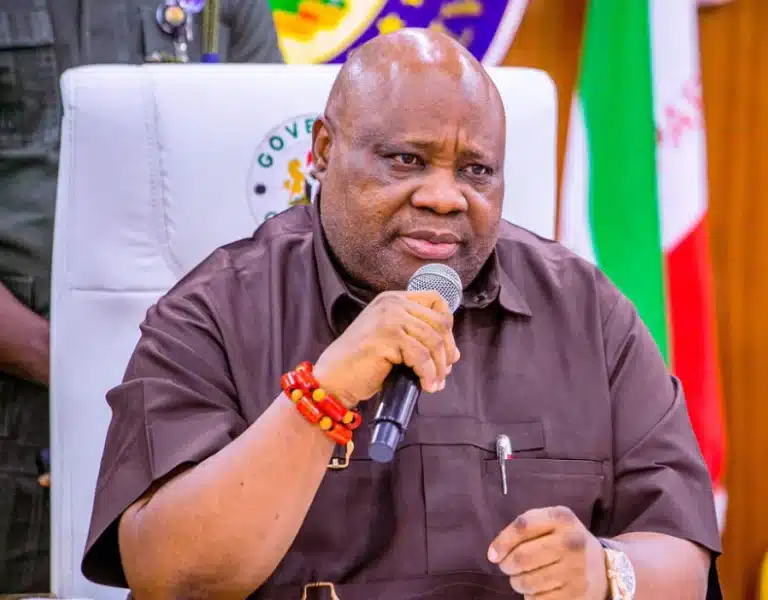
The factional National Chairman of the Accord Party, Prof. Chris Imumolen, has reaffirmed the party’s support for President Bola Tinubu’s administration and endorsed his re-election bid, while insisting that the decision does not amount to a merger with the All Progressives Congress (APC).
Imumolen also announced that Accord had resolved to support the APC governorship candidate in Osun State, Asiwaju Munirudeen Bola Oyebamiji, ahead of the forthcoming governorship election.
The Accord chairman said the party’s support for Tinubu was based on its assessment of the administration’s economic reforms and efforts towards national development.
“Our support for President Bola Ahmed Tinubu is based on our conviction that Nigeria’s progress requires continuity in policies that strengthen our economy, deepen reforms, and promote national stability.
“We have therefore endorsed his re-election because we believe it is in the best interest of our country,” Imumolen said.
The party chairman, however, cautioned against interpreting the endorsement as evidence that Accord had surrendered its political identity or merged with another party.
“Let me state this clearly: the party’s endorsement of President Tinubu does not amount to the dissolution of the Accord Party or its merger with any political platform.
“Accord remains an independent political party with its own constitution, leadership, ideology, and vision for Nigeria,” he said.
Imumolen maintained that the party would continue to take independent positions on political and governance issues despite its support for Tinubu. On the Osun State governorship election, the party said it had taken a strategic decision to adopt Oyebamiji, the APC candidate. Imumolen said the decision followed consultations and an assessment of the political situation in the state.
“After careful consultations and a thorough assessment of the political realities in Osun State, the Accord Party has resolved to adopt and support the APC governorship candidate, Asiwaju Munirudeen Bola Oyebamiji.
“This strategic decision is driven solely by our commitment to ensuring competent leadership and sustainable development for the people of Osun State,” he stated.
Accord urged members of the public, the media and political stakeholders to distinguish between its endorsement of Tinubu at the national level and its alliance with the APC candidate in Osun State. The party said suggestions that it had ceased to operate independently were inaccurate and misleading.
It added that it remained committed to democratic principles, national unity and issue-based politics, stressing that its political decisions would continue to be guided by what it considered the best interests of Nigerians.
Naija News reports that the Accord Party faction loyal to Governor Ademola Adeleke had earlier endorsed President Tinubu for the 2027 presidential election.
The party chairman, however, cautioned against interpreting the endorsement as evidence that Accord had surrendered its political identity or merged with another party.
“Let me state this clearly: the party’s endorsement of President Tinubu does not amount to the dissolution of the Accord Party or its merger with any political platform.
“Accord remains an independent political party with its own constitution, leadership, ideology, and vision for Nigeria,” he said.
Imumolen maintained that the party would continue to take independent positions on political and governance issues despite its support for Tinubu. On the Osun State governorship election, the party said it had taken a strategic decision to adopt Oyebamiji, the APC candidate.
Imumolen said the decision followed consultations and an assessment of the political situation in the state.
After careful consultations and a thorough assessment of the political realities in Osun State, the Accord Party has resolved to adopt and support the APC governorship candidate, Asiwaju Munirudeen Bola Oyebamiji.
“This strategic decision is driven solely by our commitment to ensuring competent leadership and sustainable development for the people of Osun State,” he stated.
Accord urged members of the public, the media and political stakeholders to distinguish between its endorsement of Tinubu at the national level and its alliance with the APC candidate in Osun State.
The party said suggestions that it had ceased to operate independently were inaccurate and misleading.
It added that it remained committed to democratic principles, national unity and issue-based politics, stressing that its political decisions would continue to be guided by what it considered the best interests of Nigerians.
Daily voice reports that the Accord Party faction loyal to Governor Ademola Adeleke had earlier endorsed President Tinubu for the 2027 presidential election.


2027 Election: Top APC Governor Finally Speaks on Joining ADC

No More N1,300/Litre: Relief As Petrol Prices Drop, Marketers Announce New Rates

Nigerian Gov Declares Tuesday Public Holiday Across State

Former Super Eagles Star Loses Life Savings, Duped By A Pastor of ₦1.2 Billion

I’m A Married Man, I Can Never Get Myself Involved With Such A Thing, Delta Gov Aide Reveals Why He Offered Comfort ₦500,000 Job

Lagos Imposes ₦250,000 Fine For Illegal Waste Disposal

-
 Business2 days ago
FG Unveils Portal, Targets 26,961 Nigerians for New Positions
-

 Business2 days ago
Top 10 Richest Yoruba Billionaires: South West Wealthiest Entrepreneurs, Key Factors Behind Their Wealth
-
 Politics1 day ago
2027: ADC Gov Candidate Announces Top Ex-Lawmaker as Running Mate
-
 News1 day ago
BREAKING: Tinubu Gives New Top Appointment
-
 Politics1 day ago
REVEALED: Why Makinde Dropped Speaker Ogundoyin and Picked Bimbo Adekanmbi as Successor
-
 News2 days ago
REVEALED: Five Governors Set to Convert Local Security Groups Into State Police
-
 Tech13 hours ago
Nigerian Gov Declares Tuesday Public Holiday Across State
-
 Politics2 days ago
2027 Presidency: Kwankwaso Breaks Silence on Peter Obi’s Controversial One-Term Commitment