
Lifestyle
Who Is the Richest Woman in Nigeria?

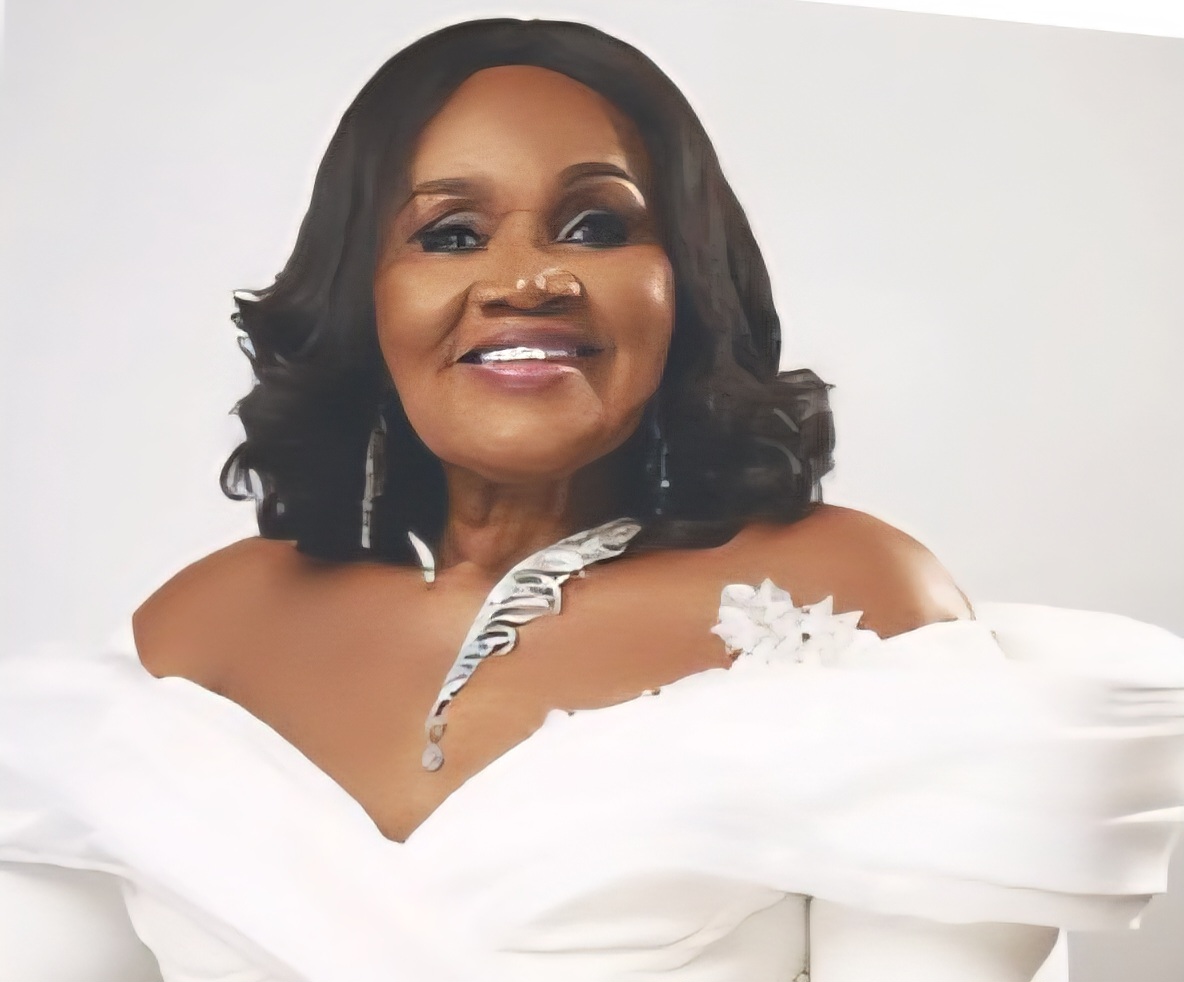
In conversations about wealth and influence in Africa, Nigeria often takes center stage. While much of the spotlight falls on male billionaires dominating the oil, telecoms, and banking sectors.
A remarkable group of women are shattering glass ceilings and making their mark on the business world. They are the wealthiest women in Nigeria, not only accumulating great fortunes but also inspiring future generations with their drive and ingenuity.
Here are the stories of the top 5 richest women in Nigeria, their backgrounds, business ventures, and the influence they wield.


1. Folorunsho Alakija (Estimated net worth: $1 billion)
Folorunsho Alakija is a true self-made billionaire, defying stereotypes and paving the way for other women in Nigeria. In 2020, Forbes termed Folorunso Alakija the richest woman in Nigeria and “the most powerful woman in Africa.”

She started her career in fashion design, establishing a successful clothing line. However, her entrepreneurial spirit led her to explore new ventures. In the 1990s, Alakija’s company, Famfa Oil, was awarded an oil exploration license, propelling her to the forefront of Nigeria’s oil and gas industry. She is also a philanthropist, supporting education initiatives and empowering women through her foundation.
2. Hajia Bola Shagaya (Estimated net worth: $950 million)
Hajia Bola Shagaya’s journey began in the civil service, working as an auditor for the Central Bank of Nigeria. However, her entrepreneurial spirit soon took hold. She started by importing photographic equipment, laying the foundation for her successful business group, Bolmus Group International.
This diversified conglomerate has interests in oil and gas, real estate, banking, and photography. Shagaya is a prominent figure in Nigerian business circles and a role model for aspiring women entrepreneurs.
3. Daisy Danjuma (Estimated net worth: $900 Million)
Daisy Danjuma is the wife of retired Nigerian General Theophilus Danjuma, a prominent businessman. While details of her early career are limited, she has become a powerful figure in her own right.
Danjuma is the co-founder of Afenmai Austeniti Limited, an oil and gas exploration company. She is also known for her philanthropic work, particularly in the areas of education and healthcare.
4. Fifi Ekanem Ejindu (Estimated net worth: $850 million)
Fifi Ekanem Ejindu is an architect, entrepreneur, and benefactor with familial ties to King James Ekpo Bassey of Cobham Town, Calabar. She ranks among the foremost female architects in Nigeria and established the Starcrest Group of Companies, encompassing real estate development, architectural design, and investment sectors.
Her fortune is estimated at approximately $850 million. In 2013, she was honoured with the African Achievers Award for Lifetime Achievement in Arts and Fashion.
Renowned for her innovative and neo-traditional approach to architecture, Fifi continues to make significant impacts in her field.
5. Stella Okoli (Estimated net worth: $800 million)
Stella Okoli, an industrious pharmacist, business leader, and philanthropist, is the driving force behind Emzor Pharmaceutical Industries LTD. From a humble pharmacy, she has grown her business into a pharmaceutical giant valued at $800 million.
She also holds leadership roles as the Vice President of the Manufacturers Association of Nigeria and the Nigerian Association of Chambers of Commerce, Industry, Mines and Agriculture.
In memory of her son Chike Okoli, who passed away in 2005, she founded the Chike Okoli Foundation in 2006. This charity aims to fight poverty and diseases, with a special focus on preventing cardiovascular diseases. Stella Okoli also manages the Chike Okoli Centre for Entrepreneurial Studies.
Business
Dr. Deji Adeleke: How Davido’s Billionaire Father Built His Business Empire; Major Companies Linked to Him
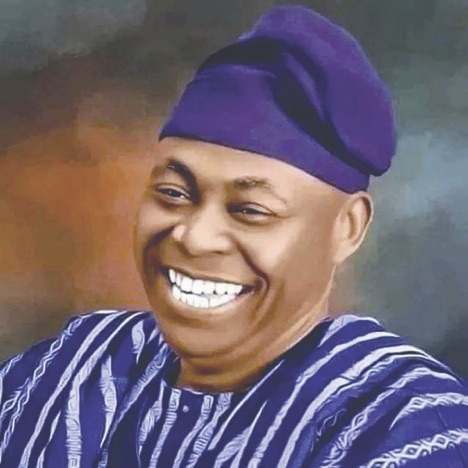
Dr. Deji Adeleke, the father of the globally recognized musician Davido, is not just known for his familial ties to the entertainment industry but also his immense wealth and substantial impact on Nigeria’s economic landscape. Born on March 6, 1957, in Enugu, Nigeria, Adedeji Adeleke has built a formidable empire through his business acumen and educational investments.
Adeleke’s Business Ventures
Dr. Adeleke founded Pacific Holdings Limited in 1983, which has grown into a major conglomerate in Nigeria, encompassing various sectors such as agriculture, energy, and real estate.
This company is a cornerstone of his financial success, with divisions like Pacific Farm Limited, Pacific Freightliners Limited, and Pacific Gas Company Limited contributing significantly to his wealth.
Adeleke’s Real Estate Investments
Adeleke’s real estate portfolio is vast and diversified. He owns properties across Nigeria, including high-value areas like Ikoyi, Lekki, Banana Island, and Victoria Island in Lagos. Additionally, he has invested in international properties, including a mansion in Atlanta, USA, which he acquired to celebrate his 60th birthday.
Adeleke’s University and Philanthropy
In line with his passion for education, Adeleke founded Adeleke University in Ede, Osun State, under the auspices of the Springtime Development Foundation, which he established in 1996. The university operates on the Seventh-day Adventist philosophy of education and offers various undergraduate and postgraduate programs.
His philanthropic efforts extend beyond education, impacting healthcare and community development. These initiatives not only enhance his public image but also contribute to long-term societal benefits, reinforcing his legacy as a socially responsible entrepreneur.

Adeleke’s Luxurious Lifestyle
Dr. Adeleke’s lifestyle reflects his financial success. He owns luxury cars such as a Rolls Royce Phantom and a 2017 Bentley Mulsanne, and he flies in style with his Bombardier Global Express 6000 private jet, valued at $62 million.
Adeleke’s Net Worth
Estimations of Adeleke’s net worth vary, with some sources placing it around $700 million, while others suggest it could be as high as $2 billion. His wealth is attributed to his diversified investments in real estate, stocks, and bonds, alongside the thriving operations of Pacific Holdings Limited.
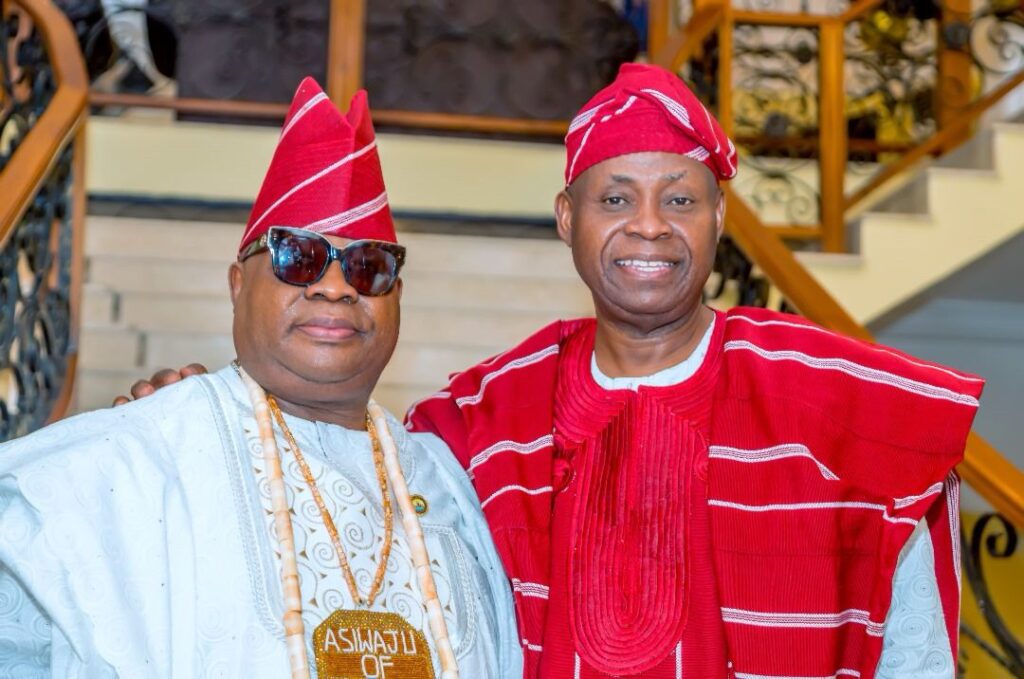
Adeleke’s Family and Personal Life
Adeleke is a father to four children: Adewale, David (Davido), Sharon, and Coco Adeleke. Despite initial resistance to Davido’s music career, he eventually supported his son’s passion, even funding the establishment of a music department at Babcock University for him. Today, Davido is not only a successful musician but also a director in the family business.
Conclusion
Dr. Deji Adeleke’s story is one of remarkable success through strategic education, entrepreneurship, and philanthropy. His wealth and business acumen have positioned him as one of Nigeria’s most influential figures, contributing significantly to the nation’s economic and social development. As he continues to invest and expand his empire, his legacy is set to influence future generations both within and outside Nigeria.
Adeleke’s Early Life and Education
Adeleke’s journey began in an affluent family in Lagos. He attended Ansar-ud-Deen Primary School and Seventh-Day Adventist Grammar School before moving to the United States, where he earned a degree in Finance from Western Kentucky University in 1979, followed by an MBA. Furthering his education, he obtained a Ph.D. in International Business from Pacific Columbia University, and another Ph.D. in Business Administration from the University of Phoenix in 2010.
– kashgain
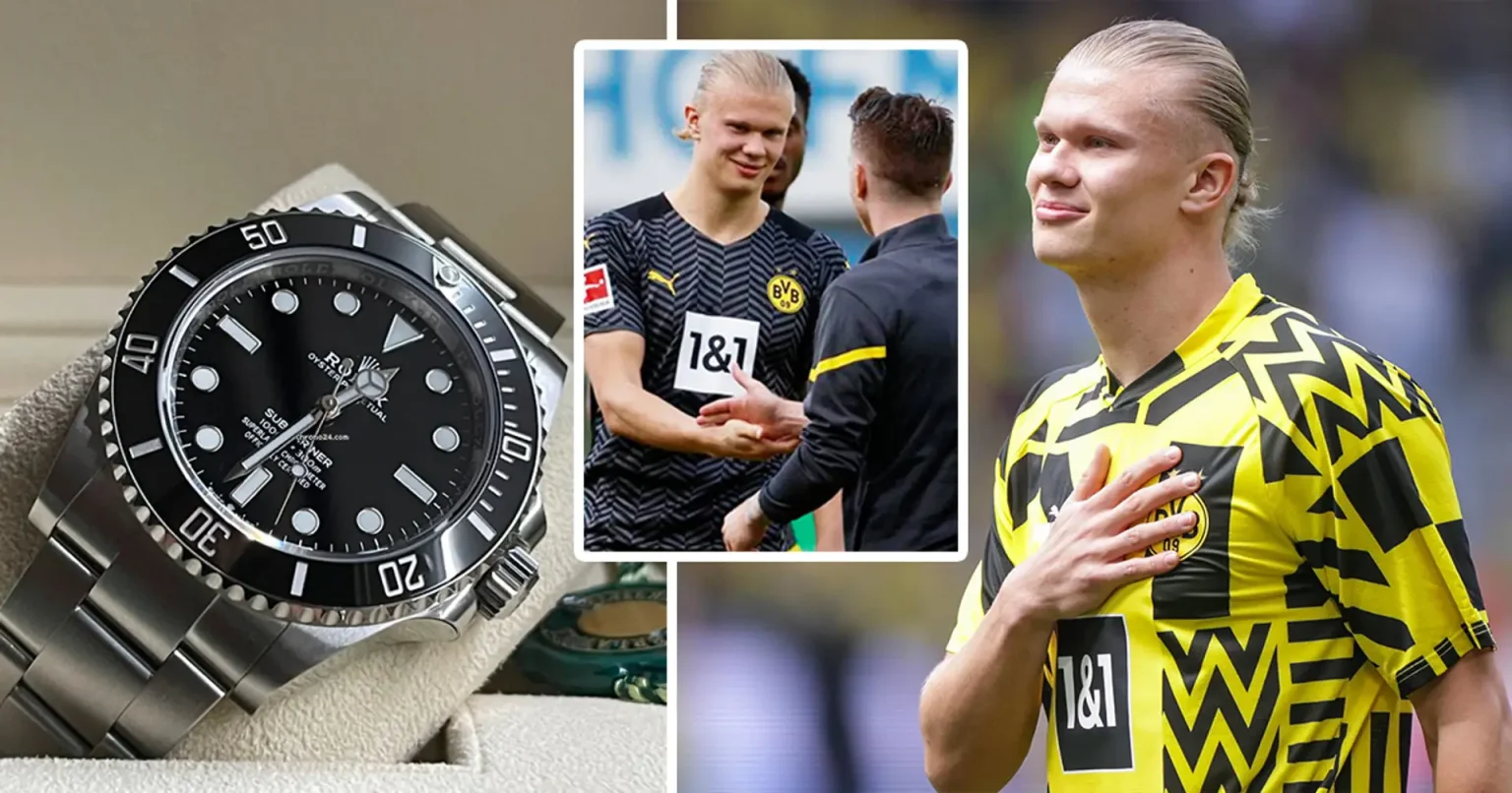
Erling Haaland is a 25-year-old Norwegian professional football player who’s recently been going viral for one reason or another. First, his hair looks rather goofy. Second, he’s regarded as one of the best and most dominant shooters in the world, with his extreme speed, strength, and clinical precision. And third, the guy is not only loaded but also extremely generous.
Haaland’s most expensive purchases span real estate, high-fashion style, jets, massive farewell gifts, and more, so let’s see just how rich this football legend really is.
1. The Custom Biohacking Cryotherapy Chamber — $60,000
Known for his obsessive physical recovery routines, Haaland spent a small fortune to install a state-of-the-art cryotherapy chamber directly into his home. The walk-in pod uses liquid nitrogen to drop temperatures to a freezing -140°C (-220°F) to rapidly reduce inflammation and speed up muscle recovery after games. And you know it works because of the unmatched results.
2. The 1594 Viking Saga Manuscript — $134,000
This ancient Viking Saga manuscript is the single most expensive book ever sold at an auction in Norway. Haaland and his father placed an anonymous bid to secure the only surviving, complete copy of the 1594 edition of Heimskringla (The Sagas of the Kings). He immediately donated the historical artifact to his hometown library in Bryne so the public could view it for free. He’s pretty much a national hero at this point.
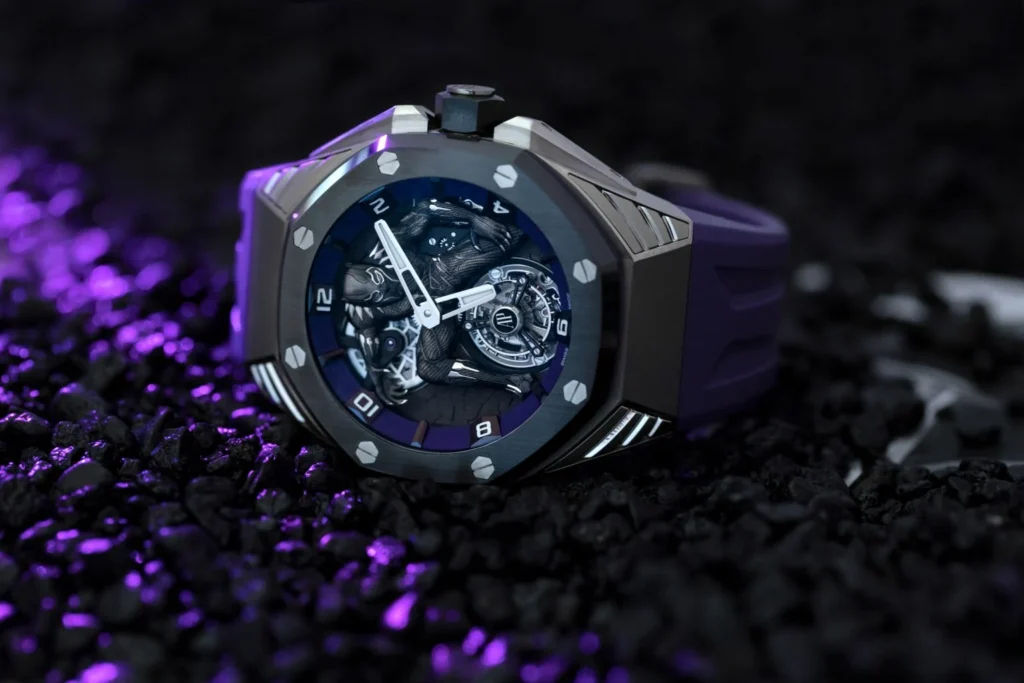
3. Audemars Piguet Royal Oak “Black Panther” Concept — $350,000
This little baby is an incredibly rare, futuristic piece of watchmaking micromechanics. Only 250 pieces have been produced worldwide. This gorgeous watch features a hand-painted, 18-carat white gold 3D sculpture of the Marvel superhero Black Panther on the dial, set into a titanium and ceramic case.
4. The Borussia Dortmund Farewell Gifts — $600,000+
When leaving German football club Borussia Dortmund for Manchester City, Haaland spent over half a million dollars on a massive parting gesture. He purchased and custom-engraved 30 luxury Rolex watches (valued at around $16,000 each) for all of his teammates, alongside 20 Omega watches (valued at roughly $5,000 each) for the team’s coaching and medical staff.
5. The Patek Philippe Nautilus “Tiffany Blue” 5711 — $2.5+ Million
While Haaland owns a massive and extremely expensive watch collection, his absolute crown jewel is the legendary timepiece Patek Philippe Nautilus “Tiffany Blue” 5711. Featuring a striking turquoise dial, only 170 units were ever made to mark the partnership between Patek Philippe and Tiffany & Co. While the retail price wasn’t a whole lot, it’s the secondary market that boosted the value tremendously. Acquiring one of these watches requires top-tier brand status, not to mention some really deep pockets, of which Haaland has both.

6. Luxury Apartment in Oslo — $3.28 Million
Everyone needs a home, even if they travel a lot and live in a different country. So, to maintain a permanent foothold in his home country, Haaland invested in a high-end apartment in Oslo, Norway’s capital. Located in an exclusive residential enclave, the property serves as his private base whenever he returns home for international breaks or off-season training.
7. The Bugatti Tourbillon Hypercar — $5.0 Million
You’ve heard of speedy cars and supercars, but this one’s a bit different. The ultimate masterpiece in Haaland’s densely populated garage is this ultra-exclusive hybrid hypercar, limited to just 250 units worldwide—the Bugatti Tourbillon. Replacing the legendary Bugatti Chiron, it features an 8.3-liter V16 engine running alongside three electric motors that generate a staggering 1,800 horsepower and a top speed clearing 440 km/h. This hypercar is undoubtedly Haaland’s favorite, and we can’t blame him.
8. The Pilatus PC-12 Private Jet — $5.3 Million
While he initially co-owned a smaller Piper M600, Haaland decided to upgrade his private fleet with this luxury turboprop, dubbed the “Swiss Army knife of planes.” It features a custom BMW-designed cabin interior, six high-end business-class seats, and a pressurized cabin allowing him to travel quietly and securely between international matches and family holidays. Celebrities& Entertainment News
9. The Marbella Golden Mile Villa — $7.12 Million
Haaland bought this 22,000-square-foot luxury villa, which acts as his main holiday home at the time when he was supposedly moving to Spain. The elite resort-style estate is tailor-made for his intense athletic recovery routines, complete with an outdoor swimming pool, an advanced gym, a sauna, an underground level for total privacy, and its own personal football pitch. Celebrities& Entertainment News
10. The Cheshire Countryside Estate — $8.21 Million
As if the villa in Spain weren’t enough of a flex, Halland also purchased the Cheshire Countryside Estate as his primary residence in England. This newly built 10-bedroom, four-story mansion sits on a massive property that has all you’d ever want or need, like a private lake, a huge swimming pool, horse stables, landscaped gardens, and a large treehouse. He also recently acquired planning permits to add an expansive garage to the estate, so he’ll probably be getting even more luxurious cars.
BREAKDOWN EMERGES
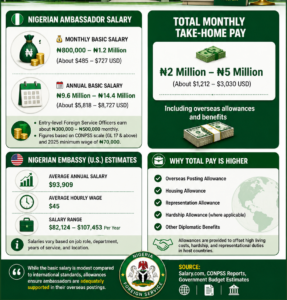
Nigerian ambassadors’ pay packages have come under renewed attention. Fresh figures revealed that while basic salaries remained modest, allowances significantly boosted overall compensation for diplomats posted abroad
Reports showed that total monthly take-home pay often reached several million naira, reflecting the high costs of overseas postings
According to Salary.com, as of December 2025, the average annual salary for employees at the Nigerian Embassy in the United States stood at $93,909. This translated to an approximate hourly wage of $45.
Salaries at the embassy typically ranged from $82,124 to $107,453 annually, reflecting the diverse roles and levels of experience within the organisation. Reports indicated that pay was influenced by factors such as job role, department, years of service, and location.
Nigerian Ambassador Salary Structure
Rufai Oseni of Arise TV reported that the salary of Nigerian ambassadors was governed by the Consolidated Diplomatic, Consular and Foreign Service Cadre Salary Structure (CONPSS) in the Nigerian public service. Ambassadors usually fell into the highest grade levels, GL 17 or equivalent, with additional allowances for overseas postings.
Based on government budget allocations, salary surveys, and reports on foreign service personnel costs, the basic salary was described as modest by international standards but supplemented by substantial allowances.
Basic Salary of Nigerian Ambassadors Monthly Basic Pay:
Approximately ₦800,000 to ₦1,200,000 (about $485–$727 USD).
Annual Basic Salary: ₦9.6 million to ₦14.4 million (about $5,818–$8,727 USD).
These figures were drawn from the CONPSS scale for top-tier diplomatic officers. Entry-level foreign service officers reportedly earned around ₦300,000–₦500,000 monthly, but ambassadors, being at the top of the career ladder, commanded the upper end.
The figures also aligned with general public sector pay for Grade Level 17 officers, adjusted for inflation and the 2025 minimum wage increase to ₦70,000.
Allowances and Total Compensation
Reports highlighted that basic pay alone did not reflect the full compensation package.
Nigerian ambassadors posted overseas received allowances designed to offset high living expenses, hardship, and representational duties.
Total monthly take-home pay often exceeded ₦2–5 million ($1,212–$3,030 USD), depending on the host country.
The release of estimated salaries shed light on the financial structure of Nigeria’s foreign service. While the basic salary remained modest compared to international standards, allowances ensured that ambassadors were adequately supported in their overseas postings.


Refinery: Our N2.2trn IPO’ll Democratise Wealth Creation —Dangote

VIDEO: ‘I Was Just Being Myself’ – Poco Lee Breaks Silence After Release From UK Prison

INEC: 52 Senators Lose Return Ticket To 11th National Assembly

Former Super Eagles Star Loses Life Savings, Duped By A Pastor of ₦1.2 Billion

I’m A Married Man, I Can Never Get Myself Involved With Such A Thing, Delta Gov Aide Reveals Why He Offered Comfort ₦500,000 Job

Lagos Imposes ₦250,000 Fine For Illegal Waste Disposal

-

 News1 day ago
Nigerian Gov Declares Public Holiday
-

 Politics2 days ago
2027: INEC Final List Sets Off Senate Race
-
 News2 days ago
2027 Budget: FG Gives MDAs September 18 Deadline
-

 News2 days ago
Terrorists kill Nine Passengers, Six Others In Plateau Attack
-
 News2 days ago
Anambra Still Repaying Loans Borrowed Under Peter Obi – Soludo Govt
-
 Politics17 hours ago
INEC: 52 Senators Lose Return Ticket To 11th National Assembly
-
 Uncategorized17 hours ago
VIDEO: ‘I Was Just Being Myself’ – Poco Lee Breaks Silence After Release From UK Prison
-
 Business16 hours ago
Refinery: Our N2.2trn IPO’ll Democratise Wealth Creation —Dangote