News
Coup Plot Against Tinubu Uncovered: Weapons, Vehicles, Other Items Recovered from Suspects

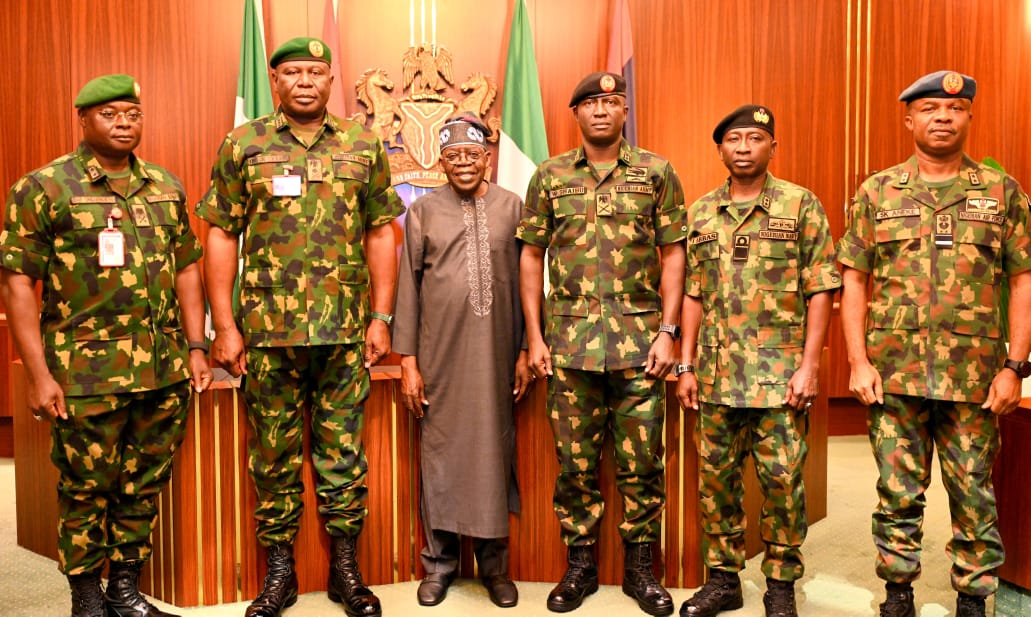
Investigators recovered guns, ammunition, vehicles and cash from coup plotters, sources said. Retired Major General Adamu and other suspects were declared wanted and tracked abroad Authorities prepared court-martial proceedings for at least 25 military officers, sources added.
Exclusive findings have revealed the scale of weapons, vehicles and cash recovered from military officers and civilians suspected of plotting to overthrow President Bola Tinubu’s government.
The discoveries followed an extensive inter-agency investigation led by the Chief of Defence Intelligence, Lieutenant General Emmanuel Undiandeye, whose panel has now concluded its probe into the foiled coup attempt.
According to Premium Times, sources familiar with the investigation, the plot involved a carefully coordinated network responsible for reconnaissance, funding, logistics and propaganda, with both serving and retired officers implicated.
Coup: Heavy weapons traced to serving officer
Investigators reportedly recovered two gun trucks, anti-aircraft (AA) guns, PKT machine guns, rocket-propelled grenade (RPG) bombs, AK-47 rifles, large quantities of ammunition and tactical gear.
The cache was traced to a lieutenant colonel attached to the Nigerian Army’s 130 Battalion. “These were not random arms. They were weapons configured for rapid deployment and coordinated action,” a security source said. Vehicles procured for covert operations In addition to the arms haul, investigators seized a fleet of vehicles allegedly acquired for covert movements and intelligence gathering.

The vehicles included four Toyota Hilux trucks, one Toyota Prado SUV, two Toyota saloon cars and 32 Volkswagen Golf vehicles. Sources said the cars were used to enable discreet access to sensitive locations, including airports and other strategic facilities in Abuja.
“The vehicles allowed operatives to move around without attracting attention and to carry out reconnaissance linked to the plot,” one investigator disclosed. Retired general, others declared wanted The investigation identified a retired major general, Adamu, as a key figure connected to the network. He remains at large, along with three other suspects.
Intelligence sources revealed that one fleeing suspect was tracked to a country in South America, although his exact location has not been disclosed for security reasons, Vanguard reported.
Multiple security agencies are said to be working jointly to dismantle remaining cells linked to the plot, with ongoing surveillance and cross-border intelligence coordination. Court-martial awaits presidential approval
Dailyvoice.ng gathered that authorities are awaiting presidential approval to formally announce a court-martial for the soldiers implicated. Sixteen military officers were initially arrested for direct involvement, but further arrests followed the work of the special investigative panel led by General Undiandeye. “At least 25 military officers and personnel are expected to face trial in connection with the coup attempt,” a source close to the investigation said.
An unspecified number of civilians are also in custody and are being investigated by the Economic and Financial Crimes Commission (EFCC) and the State Security Service (SSS) over alleged roles in financing, logistics and coordination.
Ex-minister accused of funding plot A former governor and ex-Minister of State for Petroleum Resources, Timipre Sylva, has been accused of bankrolling the coup plot and is currently at large.
Investigators allege that Sylva transferred nearly ₦1 billion in multiple tranches to three bank accounts operated by a Bureau De Change agent to fund the conspiracy. Efforts to reach him for comment were unsuccessful as of the time of filing this report.
Plot targeted top political and military leaders
The coup was initially scheduled for 29 May 2023, during the presidential inauguration marking the handover of power from former President Muhammadu Buhari to Tinubu. Sources said it was suspended due to inadequate funding and logistical gaps.
Investigators found that the conspirators reactivated the plan in 2024 after raising additional funds. Earlier findings revealed that the plotters marked several top officials for assassination, including President Tinubu, Vice-President Kashim Shettima, Senate President Godswill Akpabio and Speaker of the House of Representatives, Tajudeen Abbas.
Further investigation showed that the service chiefs and the Commander of the Guards Brigade were also targeted. “There are other people on the list, but those are the key targets,” a source said.
According to multiple sources, some officers were assigned to seize control of the Presidential Villa, Niger Barracks, the Armed Forces of Nigeria Complex and the Nnamdi Azikiwe International Airport, Abuja.
Senior military officers, including the service chiefs, were also to be detained.
“They did not intend to kill the service chiefs. They wanted to neutralise them,” one source clarified.
The conspirators reportedly planned to assassinate political leaders simultaneously, relying on informants within the Presidential Villa to monitor their movements.
“They had people inside the Villa. The idea was to eliminate the leadership at once and install a military government,” a source said.
Defence headquarters confirms probe completion
On Monday, January 26, the Defence Headquarters confirmed that the investigation had been completed and transmitted to “appropriate superior authority in line with extant regulations”. Further official actions, including prosecutions and court-martial proceedings, are expected to follow in the coming weeks.
The Nigeria Correctional Service, NCoS, Kwara State Command, has released the names and photos of the two death-row inmates who escaped from the Medium Security Custodial Centre, Oke-Kura, Ilorin.
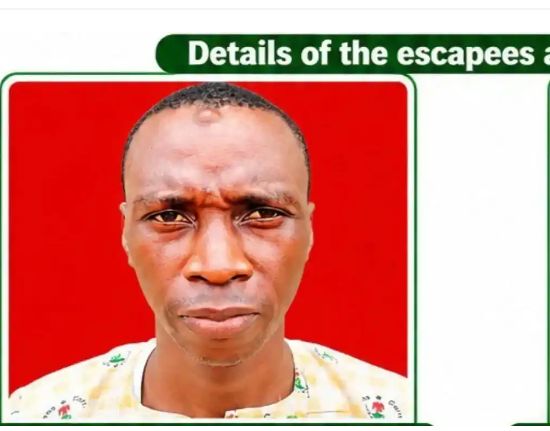
The two inmates escaped in the early hours of Wednesday, November 18, after breaking through and scaling the perimeter wall of the facility.
Their identities were disclosed in a statement issued on Friday by the Kwara State Command’s Public Relations Officer, Adegbulugbe Olumide.
According to NCoS, the first inmate is 41-year-old Segun Abraham Nasiru from Lokoja, Kogi State, while the second person is 38-year-old Oluwasegun Omoyajowo Ajiboye from Ilaro, Ekiti State.
The NCoS disclosed that Nasiru had earlier escaped from the Mandala Custodial Centre, been rearrested and transferred to Oke-Kura.
The Controller-General of the NCoS, Sylvester Ndidi Nwakuche, while reacting, blamed the incident on negligence.
“This is unfortunate and unacceptable. This is a facility that locks over 600 inmates, and about two inmates have found their way out, but I can assure you the dragnet has been spread and we will get them back,” he said.
According to him, any officer found culpable will be severely punished.
The NCoS appealed to members of the public to help with useful information that can lead to the recapture of the fugitives.
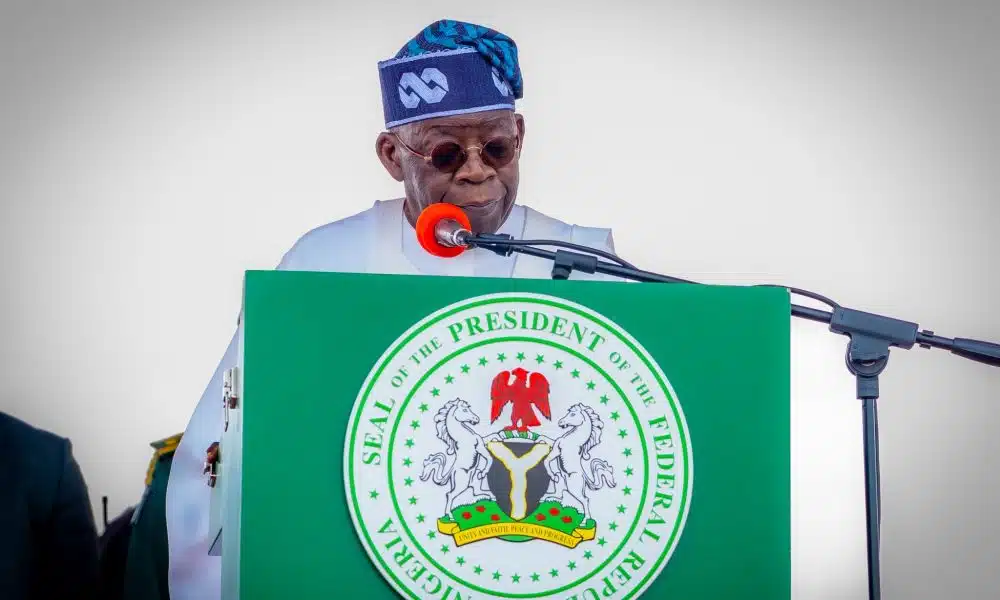
The Presidency said Dabiri’s appointment forms part of Tinubu’s efforts to ensure effective regional representation and inclusivity on the commission.
President Bola Tinubu has appointed Agboola Dabiri as the South-West Commissioner on the National Assembly Service Commission.
Naija News understands that Dabiri, until the recent appointment, was the Lagos State Commissioner for Youth and Social Development.Nigerian news subscription
He takes over from Taiwo Oluwa, who resigned from the commission on March 30, 2026, to run for the Irewole/Isokan Federal Constituency seat in Osun State.
The Special Adviser to the President on Information and Strategy, Bayo Onanuga, announced the appointment in a statement on Friday.
The statement said that, in addition to his work in the Lagos cabinet, Dabiri also worked in the Federal Capital Territory Administration.
It read, “Until his appointment, Dabiri served as Commissioner for Youth and Social Development in Lagos State. He also previously served as Mandate Secretary for Economic Planning, Revenue Generation and Public-Private Partnership in the Federal Capital Territory.”
The Presidency said the appointment was meant to give every region fair representation on the commission.
“The appointment is part of the President’s efforts to ensure effective representation and inclusivity in the National Assembly Service Commission,” the statement added.
Section 157 of the 1999 Constitution establishes the National Assembly Service Commission. The commission appoints, promotes and disciplines the staff of the National Assembly.

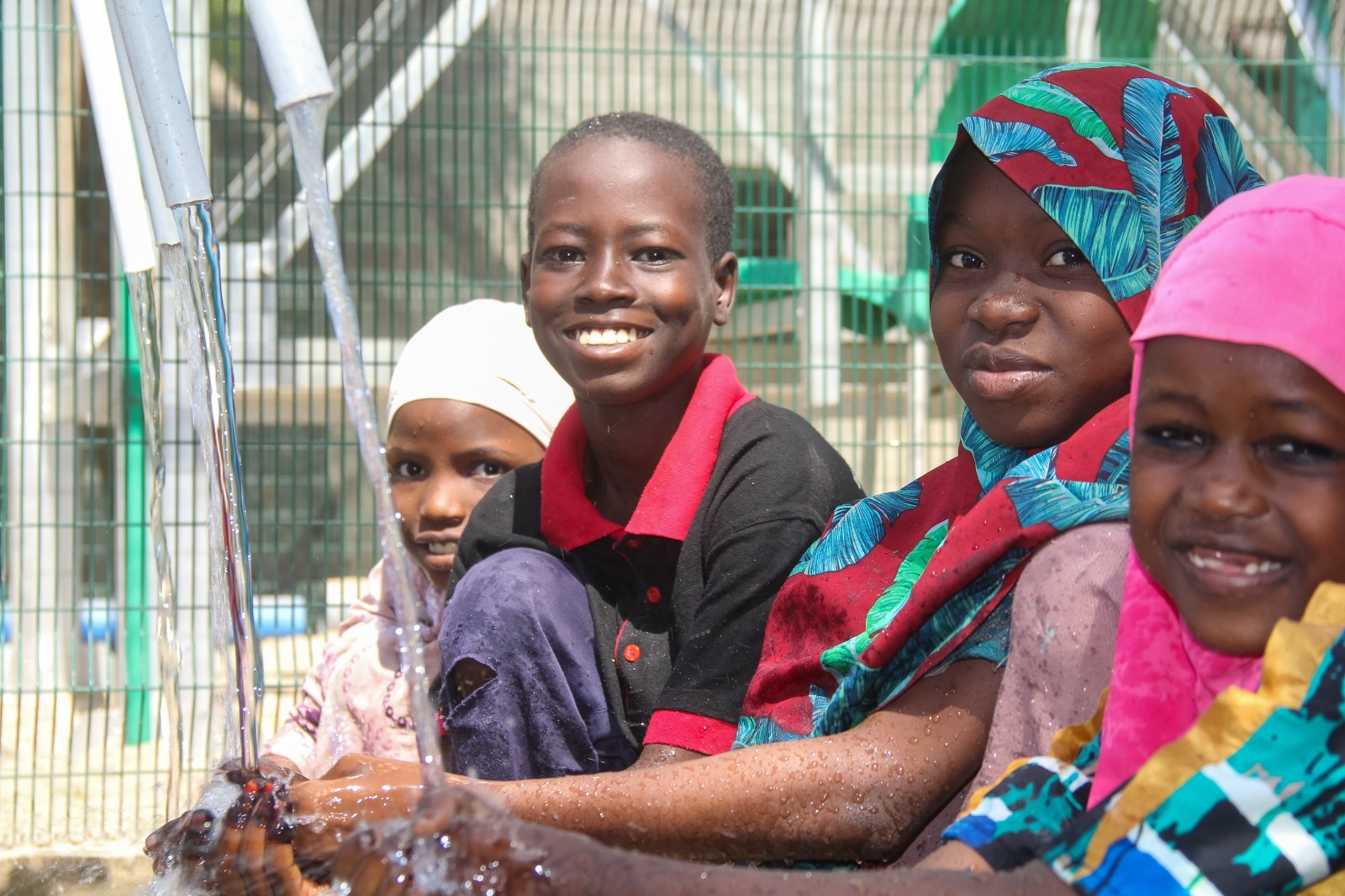
SOS Children’s Villages Nigeria calls on government, communities and development partners to put it into practice by treating children and young people as partners and co-creators of solutions to the issues they face. The call places particular focus on children who have lost parental care or are at risk of losing it.
“Children already have a voice. Our job is to create the conditions in which they can use that voice safely and be taken seriously,” said Eghosa Erhumwunse, National Director of SOS Children’s Villages Nigeria. “Children and young people often know best how to solve the problems they face. What they need is the opportunity and the space to thrive.”
A child should know their rights, know where to go for help and be able to influence decisions about their care, their education and their future. Listening must lead to action.
This principle guides the organisation’s programmes. Family strengthening helps parents and caregivers to care for their children and keep families together. Where children cannot live with their families, alternative care provides safe, family-based settings. Youth development prepares young people for independent adult life, and child rights advocacy strengthens community and state child protection systems. Together, these programmes give children the security they need to exercise their rights.
Violence remains part of daily life for many children in Nigeria. Nine in 10 children aged 1 to 14 experience violent discipline at home (NBS and UNICEF, MICS 2021), and more than 8 in 10 experience it in school (UNICEF, 2022).
Children and young people are already contributing to the response. Ahead of the Second Global Ministerial Conference on Ending Violence Against Children, held in Manila in November 2026, members of the Children and Youth Council in communities we work in set out their position in a policy brief. They believe children should not be seen only as victims in need of protection, but as agents of change who can identify risks, support their peers and help shape the policies that affect them. As one Council member put it: “We cannot build a safer world for children without listening to children.”
Meaningful participation requires age-appropriate information, trusted adults and safe ways to report concerns. Children should be able to express their views in ways that suit their age, ability and circumstances, and be told how those views were used. Children with disabilities, displaced children and children in alternative care need particular attention. Participation must also protect children’s privacy: no child should be pressured to recount a traumatic experience, appear in the media or share personal information to be heard. Supporting children to speak up must never shift the responsibility for their protection onto them.
SOS Children’s Villages Nigeria will continue to strengthen families and communities while creating spaces where children and young people can drive real change.
On World Children’s Day, SOS Children’s Villages Nigeria and its Children and Youth Council call for the following actions:
Government and public institutions: Resource child protection, family support and alternative care services, and strengthen implementation of the Child’s Rights Act 2003, the National Plan of Action to End Violence Against Children (2023 to 2027) and the National Alternative Care Guidelines. Ensure that children who cannot live with their families receive safe, family-based care. Establish confidential, child-friendly reporting mechanisms in schools and communities, and involve children as equal partners in designing and monitoring child protection policies, with clear feedback on how their views were used
Schools, families and communities: Create safe environments in which children can speak up without fear of blame or punishment. Promote positive discipline in place of corporal punishment, challenge harmful practices such as child marriage, teach digital safety alongside children’s rights, and ensure that every report leads to timely support.
Businesses, donors, civil society and the media: Invest in family strengthening, child protection and youth-led initiatives, including peer support and peer mediation in schools. Support children’s own advocacy priorities and protect their dignity and privacy in all communications.
“The test of our commitment is what happens after a child speaks,” Erhumwunse added. “When a concern is raised, it must be addressed. When a right is violated, it must be remedied. Every child should grow up knowing that their voice matters and that adults will act to protect it.”


Govt Release Identities Of Death Rows Inmates Who Escaped From Nigerian Prison

Just In: Tinubu Announces Top New Appointment