
Business
New NUPRC Guidelines For Crude Export, UIN Mandatory


ABUJA: The Nigerian Upstream Petroleum Regulatory Commission (NUPRC) has announced the release of new guidelines for the advanced cargo declaration regime, a move aimed at enhancing transparency, accountability and efficiency in Nigena’s crude oil and petroleum exports.
The guidelines, issued under the Nigerian Upstream Petroleum Advance Cargo Declaration Regulation, 2024, are designed to establish a robust framework for declaring and tracking crude oil and petroleum product exports from Nigeria, monitoring and accounting for the movement of crude oil within the country, preventing disruptions, theft and under declaration at export terminals and ensuring that only certified and measured products are exported, supporting accurate revenue generation for the government.
According to a statement by the Commission on Wednesday, the review endorsed by the Commission Chief Executive, Engr Gbenga Komolafe, on Tuesday, June 17, 2025, stated that the new regulations apply to all licences and leases granted or preserved under the Petroleum Industry Act (PIA) 2021, covering crude oil, natural gas, natural gas liquids and petroleum products exported from all terminals and export points in Nigeria.
Under the revised regime, exporters must obtain an export permit, vessel clearance and a Unique Identification Number (UIN) through the NUPRC’s online platforms before any shipment. The Commission will validate the identity of exporters and verify export volumes before issuing clearance Notifications, which will be embedded with a UIN for tracking. All relevant export documents, including the Bill of Lading, Certificate of Origin and cargo manifest, must reference the UIN, ensuring traceability and compliance.
The NUPRC’s Advance Cargo Declaration Portal is a real-time technology driven system that integrates seamlessly with other government export systems. allowing for real-time tracking and reconciliation of crude oil exports, immediate upload of export documentation within 24 hours of cargo loading and enhanced data integrity and transparency across the export chain.
The guidelines empower the NUPRC to refuse vessel clearance applications that are incomplete, inadequately documented, or contain false information. Exporters found to be in violation may face administrative fines and sanctions. reinforcing the Commission’s commitment to regulatory compliance and sector integrity
Engr. Komolafe pointed out that the initiatives align with the Commission’s mandate to maximise government revenues, minimise waste and ensure optimal regulatory oversight in line with the Petroleum industry Act. He noted that the new system is part of broader efforts to modernise Nigeria’s oil and gas sector and curb losses due to theft and under-reporting.

“The new guidelines represent a significant step toward a more transparent, accountable and efficient of export regime in Nigeria. By leveraging technology, robust validation and strict documentation protocols, the Commission is addressing long-standing challenges of opacity, losses and inefficiency in the sector” the statement reads in part.
Independent.ng



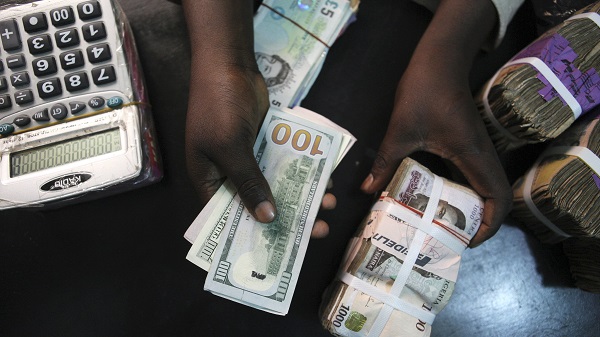
The Nigerian currency, Naira (₦), continued its battle against the United States dollar at the official foreign exchange market on Saturday.
Daily Voice reports that data from the Central Bank of Nigeria (CBN) showed that the local currency sold at ₦1,321.2160/1$ on Sunday.
The latest rate is the same as Saturday’s rate of ₦1,321.2160/1$.
At the parallel market (black market), however, the naira closed on Sunday at ₦1,400 to the dollar.
The offers by commercial banks, Bureau de Change (BDC) operators, and other foreign exchange dealers may, however, differ from the reference rates due to transaction margins and prevailing demand and supply conditions.
Market participants will continue to monitor foreign exchange inflows, demand for dollars, and CBN policies for indications of whether the naira can sustain its gains through the month.
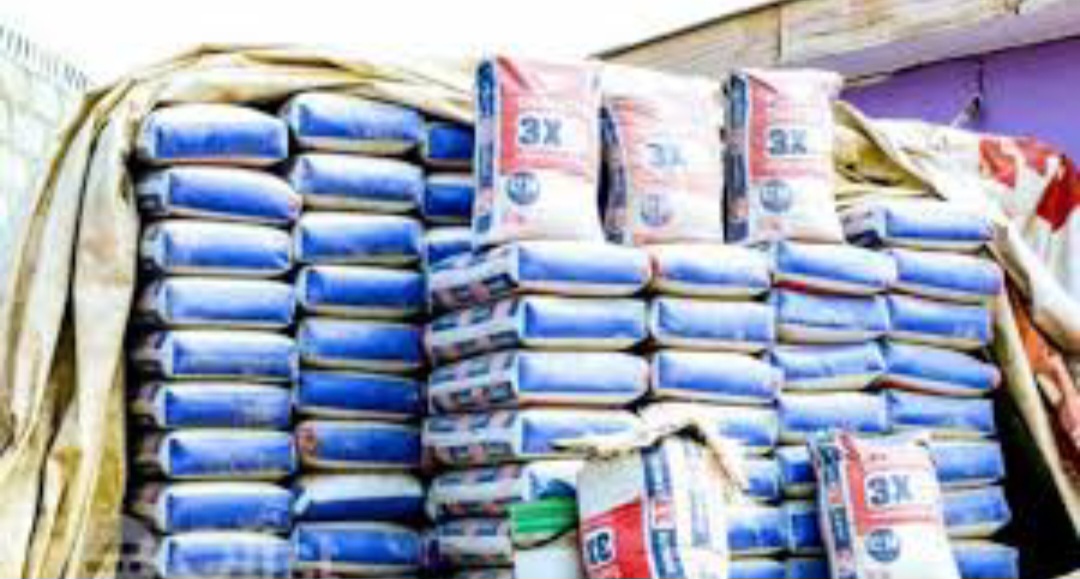
Cement prices in Nigeria remain elevated, with a 50kg bag selling for between ₦12,000 and ₦15,000 in many markets, putting further pressure on builders, contractors and Nigerians planning construction projects.
The latest market data shows that although some brands are currently available below the ₦15,000 mark, the industry remains significantly more expensive than it was at the end of 2025 and early 2026.
Recent market quotations show the following indicative prices for a 50kg bag:
Note: prices may vary by location and transportation costs.
These figures are based on a September 1 market report and can vary depending on location, transportation costs, dealer margins and supply conditions.
However, July industry data painted a more expensive picture. CementNet reported retail prices of ₦12,000 to ₦15,000, with Dangote selling for about ₦13,000–₦15,000, BUA at ₦12,000–₦14,500, and HBM Nigeria, formerly Lafarge Africa, at ₦12,000–₦13,500.
The latest figures suggest that cement prices may have eased from the highest quotations seen earlier in the year, but the broader trend remains upward.
In July, The Guardian reported that a 50kg bag typically sold for ₦12,500–₦15,000 across major markets including Lagos, Abuja and Abia.
The Federal Competition and Consumer Protection Commission (FCCPC) also reported that prices had reached between ₦13,000 and ₦15,000 in some locations during the first half of 2026.
This means the current ₦12,000–₦14,000 quotations for several major brands should be viewed as some market-level moderation rather than a broad collapse in cement prices.
Why cement remains high
High energy and transportation costs continue to weigh heavily on the industry. Cement manufacturing requires significant amounts of energy, while moving cement from factories and depots to retail markets adds further costs.
Location is also playing an important role. Buyers in areas farther from production centres can pay substantially more because of haulage and distribution expenses.
The situation is particularly significant because Nigeria has substantial cement production capacity, yet retail prices remain high. The Guardian reported that domestic production exceeds consumption, with surplus output exported to neighbouring countries.

Nigerian civil servants on Grade Level 8 now earn between N1,479,276 and N1,914,514 annually, depending on their step within the scale, following the new minimum wage signed under President Bola Tinubu’s administration.
The figures fall under the Consolidated Public Service Salary Structure (CONPSS), the framework that governs pay across Nigeria’s federal civil service.
CONPSS covers 17 grade levels in total, and a worker’s position within each level is shaped by their qualifications, length of service, and performance record.
Grade Level 8 has 14 steps, with each step representing a progression in earnings. Below is the full breakdown:

The gap between the lowest and highest steps at this level amounts to N435,238, reflecting how significantly length of service can affect take-home pay within a single grade.
Interest in the salary structure has grown since Tinubu’s government approved a new national minimum wage, which triggered a review of earnings across the public sector. Civil servants and job seekers have been keenly examining each grade level to understand what the adjusted structure means in practical terms.
Workers at Grade Level 8 are typically mid-level employees with some years of experience in the civil service. Their earnings sit above the entry-level grades but below the senior cadre, making this level a reference point for many who are planning career progression within the federal workforce.


INEC Release Final List Of 2027 Presidential Candidates

Banker Shot dead As Kidnappers Strike FUTO

SO SAD: Nigerian Bishop Shot Dead In Shocking Attack

Former Super Eagles Star Loses Life Savings, Duped By A Pastor of ₦1.2 Billion

I’m A Married Man, I Can Never Get Myself Involved With Such A Thing, Delta Gov Aide Reveals Why He Offered Comfort ₦500,000 Job