
Business
FULL LIST: Top 10 Loan Apps in Nigeria With Lowest Interest Rates


Nigeria’s credit sector has, in the space of just a few years, moved from a niche fintech offering to a mainstream financial tool used by millions.
A major driver of this surge is mostly limited access to traditional bank loans, and the speed at which digital platforms can deliver cash when it is needed most.
By mid-2025, the market will have expanded sharply, with approved digital lenders rising to about 425 as of May 2025, up from 320 a year earlier.
According to a 2024 report based on a five-year historical analysis, Nigeria’s online loan & credit platforms market is valued at approximately $600 million.

According to the report, recent market estimates indicate that Nigerian digital lending apps issued about 145 million loans worth over $2 billion in a recent year, reflecting the sector’s scale and consumer appetite for digital credit solutions
However, the speed and accessibility of digital loans have also created a crowded and uneven market, where hundreds of platforms compete with different pricing models, especially around one key factor that directly affects borrowers: interest rates.
Based on the list of approved digital lending platforms by the Federal Competition and Consumer Protection Commission (FCCPC), this article ranks apps that offer monthly interest rates below 3%.
Here are 10 loan apps with the lowest interest rates in Q1 2026

10. Renmoney – 2.12% to 2.65% monthly interest rate
9. Nmoney – 2.4% monthly interest rate
8. Singacash – 2.4% monthly interest rate
7. Ease Cash – 2.1% monthly interest rate
6. Letshego – from 2% monthly interest rate
5. Futurecash –1.5% to 2.7% monthly interest rate
4. Flash Loan – 1.8% to 2.7% monthly interest rate
3. Airmoni – 1.5% monthly interest rate
2. True Loan –1.2%–2.7% daily interest rate
1. NiNiMoney – 0.3% monthly interest rate
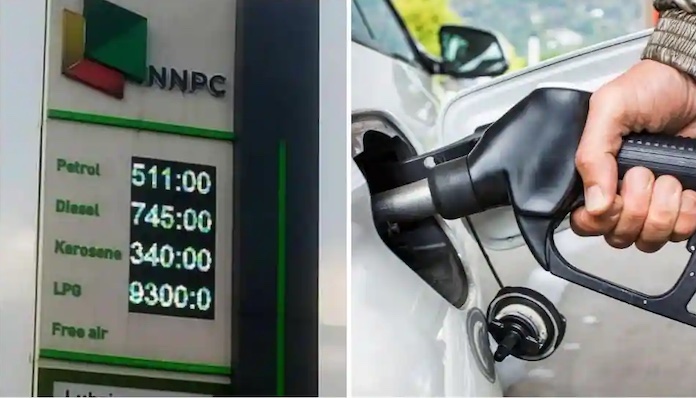
The price of Premium Motor Spirit (PMS), popularly known as petrol, could fall to around N900 per litre if the proposed peace agreement between the United States and Iran is successfully implemented and global crude oil prices continue to decline.
The expectation follows fresh developments in the Middle East, where efforts to end months of hostilities have pushed international oil prices downward. Nigeria market report
Crude oil prices, which climbed sharply during the conflict, have dropped significantly in recent days as investors react positively to reports of a ceasefire framework and plans to reopen the Strait of Hormuz, one of the world’s busiest oil shipping routes.
Industry operators believe the development could eventually reflect in domestic fuel prices, especially as crude oil remains the major raw material for refined petroleum products.
Market watchers recalled that the prolonged crisis in the Middle East forced crude prices above the $100 per barrel mark, with some periods seeing prices rise beyond $120. The increase had a direct impact on fuel costs across several countries, including Nigeria.
During the period, petrol prices in Nigeria surged from about N830 per litre to around N1,300 per litre. Diesel and aviation fuel also recorded major increases, putting pressure on businesses and transport operators.
There are now growing expectations that local refiners, including the Dangote Petroleum Refinery, may review their prices if the downward movement in crude oil is sustained.
The refinery had previously reduced its petrol loading price from N1,275 per litre to N1,250 per litre after crude prices softened. Diesel prices were also adjusted downward during the same period.
A source familiar with operations at the refinery said another price cut is possible if the market remains stable. However, the source explained that a large volume of crude purchased at earlier, higher prices is still being processed, which could slow the pace of any immediate reduction.
According to the source, petrol selling at N900 per litre is achievable if global oil prices continue to decline and the market fully adjusts to the new realities.
Fuel marketers have also expressed optimism over the outlook.
The Petroleum Retail Outlet Owners Association of Nigeria (PETROAN) said petrol prices could fall below N1,000 per litre once the Strait of Hormuz is fully reopened and crude oil returns to pre-conflict levels.
The association noted that Nigerians paid around N800 per litre before the crisis escalated and believes the market could gradually move back toward that range if peace is maintained.
The optimism comes after United States President Donald Trump announced that a peace arrangement with Iran was underway, with both countries expected to reopen the Strait of Hormuz as part of the agreement.
The planned reopening is expected to restore smoother global oil supply and reduce pressure on international energy markets.
Meanwhile, checks across the downstream sector indicate that some fuel marketers have already started adjusting their ex-depot prices below the current benchmark, signalling the possibility of another round of competition in the industry.
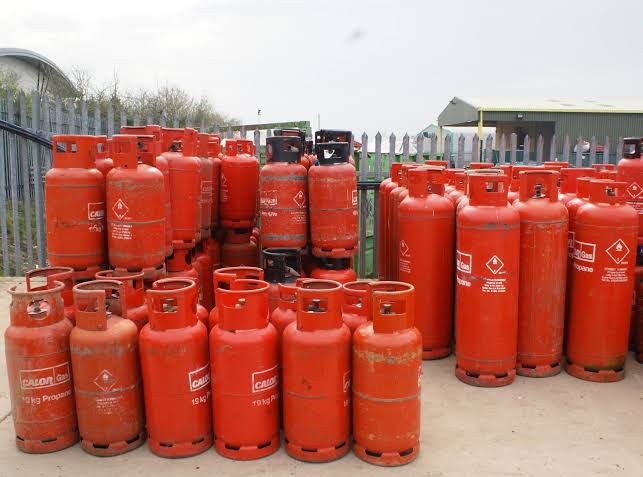
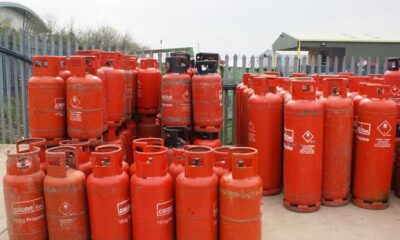
The landing cost of imported liquefied petroleum gas (LPG), also called cooking gas, has dropped significantly, offering fresh hope for lower energy prices across the country.
New data released by the Major Energy Marketers Association of Nigeria (MEMAN) showed that the cost of bringing fuel products into Nigeria has now fallen below the ex-depot prices offered by the Dangote Refinery.
The development comes as petroleum marketers reportedly imported fuel and gas valued at about N279 billion to boost supply and take advantage of declining international market prices, according to a report by Punch.
Cooking gas prices also witnessed a sharp decline in landing costs, raising expectations that consumers may soon enjoy relief from soaring household energy expenses.
MEMAN disclosed that the landing cost of LPG fell to N950,000 per metric tonne. Based on the latest figures, the expected retail price of cooking gas should hover around N925 per kilogramme.
This contrasts sharply with the N1,410 per kilogramme reportedly sold by Dangote Refinery. Despite the reduction in import costs, many Nigerians have yet to feel the impact at the retail level, as cooking gas prices remain stubbornly high across major cities.
Retailers currently sell cooking gas for as high as N2,400 per kilogramme, while larger distributors maintain average prices around N1,800 per kilogramme.
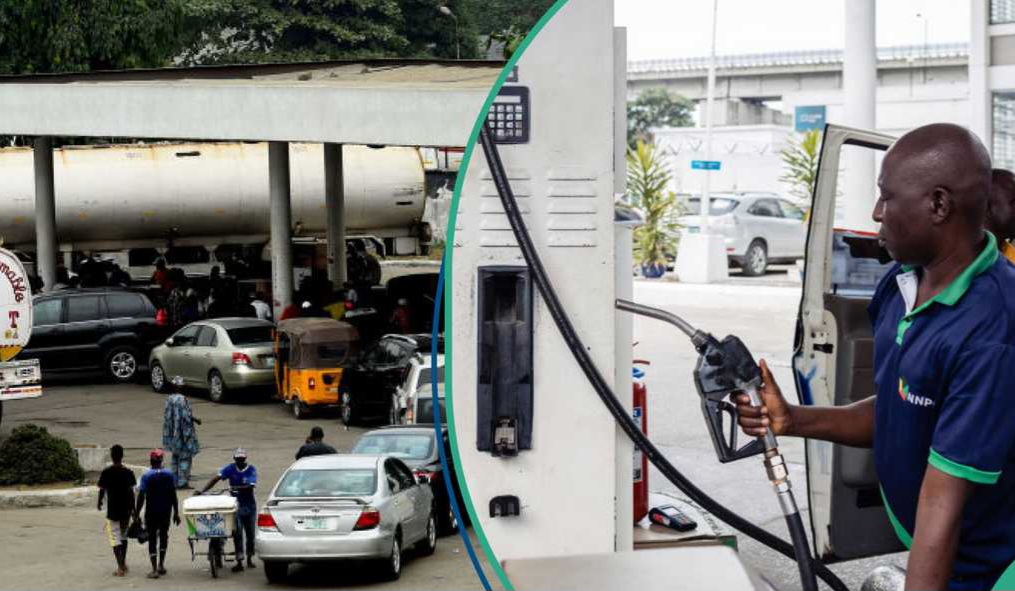
Fresh petrol depot prices have emerged across Nigeria as marketers adjust to rising crude oil prices and renewed tensions in the Middle East.
The latest pricing changes come amid growing uncertainty in the global energy market following fresh military exchanges between the United States and Iran near the Strait of Hormuz, one of the world’s most important oil transit routes.
ndustry data tracked by PetroleumPriceNG and monitored by Legit.ng show that depot owners raised their Premium Motor Spirit (PMS) prices as a protective measure against potential losses linked to volatile international oil prices.
Global crude oil prices climbed during early trading on Wednesday, June 10, 2026, after the United States launched strikes on Iranian military infrastructure near the Strait of Hormuz.
As of 5:08 a.m. WAT, Brent crude rose by 1.03% to $92.39 per barrel, while the U.S. West Texas Intermediate (WTI) crude gained 0.91% to trade at $89.00 per barrel, according to a report by Oilprice.com
The market rally followed reports that American forces targeted Iranian air defence systems, radar installations and surveillance facilities after Washington accused Tehran of bringing down a U.S. Army Apache helicopter operating within the region.
The U.S. Central Command described the strikes as a defensive response. However, Iran denied responsibility for the helicopter incident and accused the United States of escalating tensions unnecessarily. The development has raised fears of a broader regional conflict that could disrupt global crude oil supplies.
Checks across fuel depots nationwide show that marketers have adjusted their petrol prices upward in response to the changing global market conditions.
According to the latest data: AIPEC now sells petrol at N1,247 per litre RainOil Lagos sells at N1,248 per litre Integrated depot price stands at N1,247 per litre Liquid Bulk has also fixed its price at N1,248 per litre Industry experts say the latest adjustments are largely precautionary as marketers attempt to shield themselves from potential losses should crude oil prices continue to rise.


FULL LIST: APC Governorship Candidates for 2027 Elections Emerge

BREAKING: Petrol Price To Drop Below N900/Per Litre; Details Emerge

BREAKING: 12 Killed in Tragic Plane Crash Near Missouri Airport

Former Super Eagles Star Loses Life Savings, Duped By A Pastor of ₦1.2 Billion

I’m A Married Man, I Can Never Get Myself Involved With Such A Thing, Delta Gov Aide Reveals Why He Offered Comfort ₦500,000 Job

Lagos Imposes ₦250,000 Fine For Illegal Waste Disposal

-
 Politics16 hours ago
REVEALED: 48 Powerful Lawmakers Who Lost APC Primaries (FULL LIST)
-
 Politics1 day ago
No Going Back: APC Declares Primaries Result Ahead 2027 Elections
-

 Uncategorized2 days ago
BREAKING: PDP Takes Early Lead Over APC in LG Election Results
-

 News19 hours ago
Fresh Tension as Bandits Kidnap Monarch, Shot Wife
-

 Politics2 days ago
Atiku’s Running Mate? Amaechi Finally Speaks
-
 Business17 hours ago
No More N2.400/kg: Cooking Gas Landing Cost Crashes, as Dealers Release Fresh Prices
-

 News1 day ago
BREAKING: Tinubu Reacts as Bandits Killed Army General
-

 Opinion18 hours ago
OUTRAGE: Peter Obi Under Fire Over Comment on Nnamdi Kanu