
Opinion
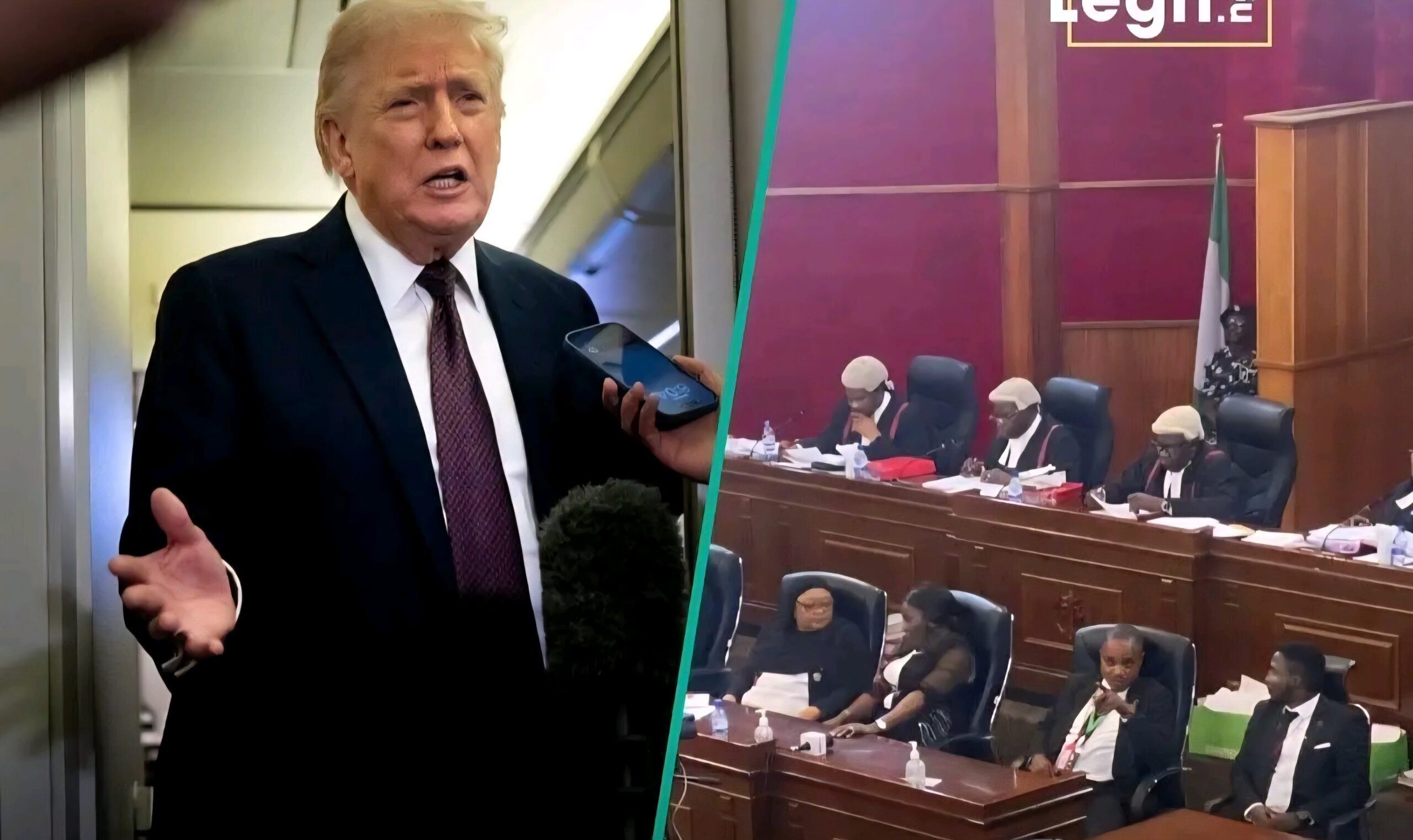
VIDEO: Trump Releases CCTV Footage, Images Of Suspect In White House Shooting

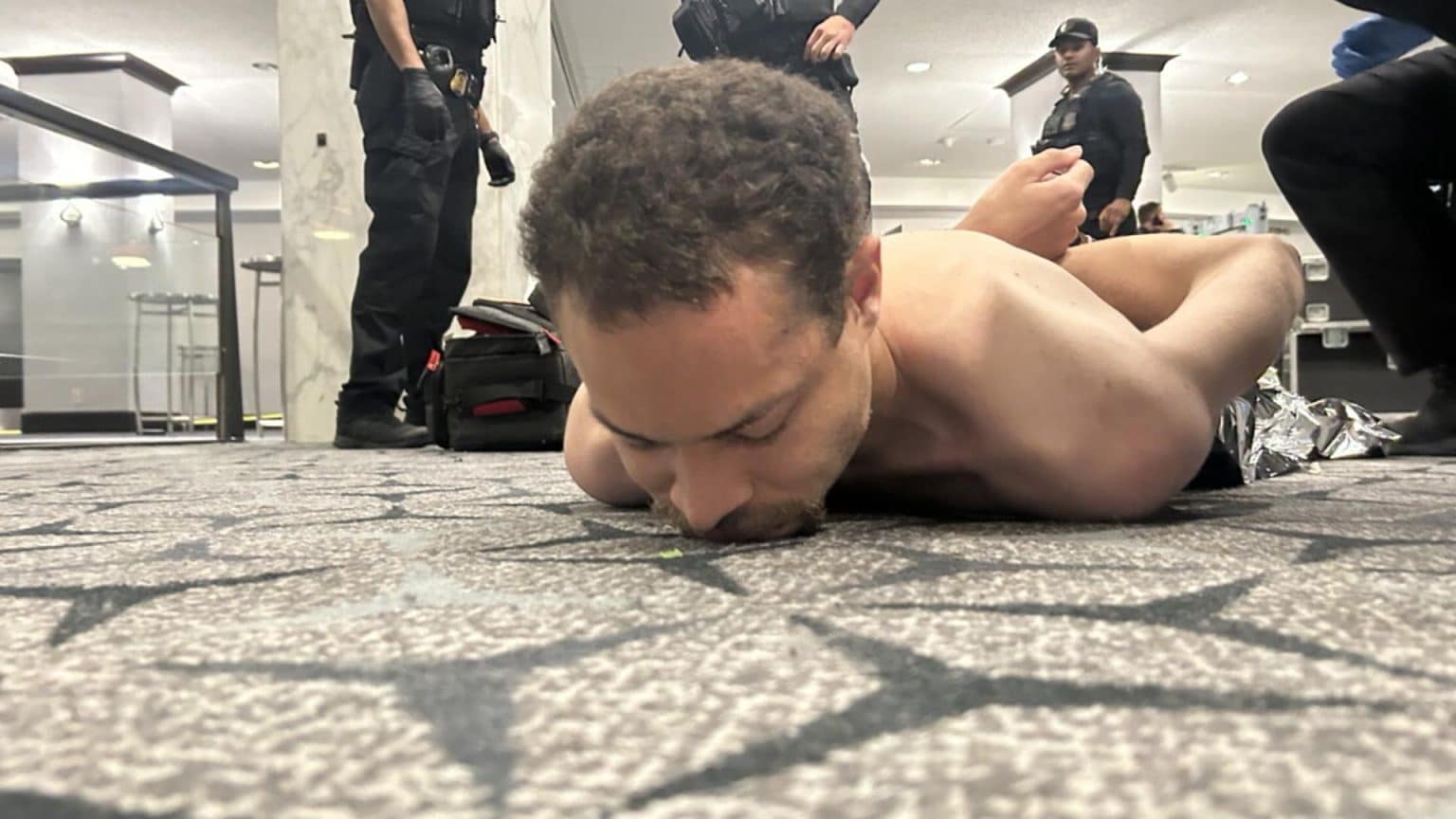
The President of the United States, Donald Trump, has released CCTV footage and images of the suspect involved in the shooting incident at the White House Correspondents’ Dinner in Washington, D.C.
The footage, released shortly before the President addressed the media, reportedly shows the suspect running into the ballroom of the Washington Hilton, bypassing security metal detectors as armed agents moved swiftly to intercept him.
Trump, who described the individual as a “would-be assassin,” said the suspect was heavily armed and had breached a critical security checkpoint.
According to reports by the BBC, the President stated that the suspect “charged past a security checkpoint” carrying multiple weapons.

Images shared by the President showed a shirtless man lying face down in the foyer with his hands restrained behind his back, believed to be the suspect.
Authorities confirmed that the individual is now in custody. Trump disclosed that one law enforcement officer was shot during the incident but survived due to wearing a bulletproof vest.
The shooting occurred on Saturday night during the White House Correspondents’ Dinner, a high-profile gathering of government officials, journalists and dignitaries.
The incident triggered panic, forcing the evacuation of guests and top officials from the venue.

Authorities said investigations are ongoing to determine the motive and circumstances surrounding the security breach.
Watch the video below:

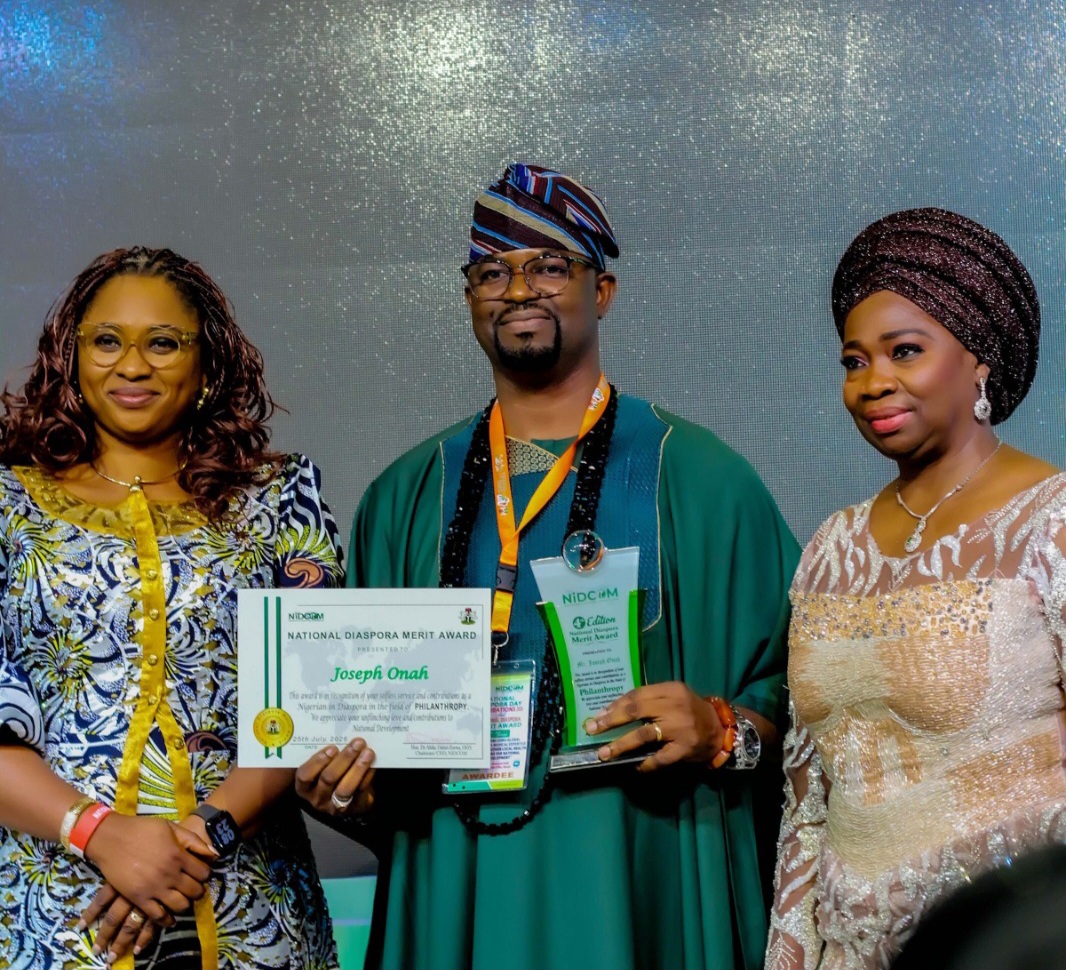
High Chief Joseph Ajah Onah, President of the Benue State Union in Côte d’Ivoire and an international businessman and philanthropist, has been honoured with the 2026 National Diaspora Merit Award by the Nigerians in Diaspora Commission (NiDCOM).
The award was presented on Saturday, July 25, at the Banquet Hall of the Presidential Villa, Abuja, during the grand finale of the two-day 2026 National Diaspora Day celebration, held from July 24 to 25.
Onah was recognised for his contributions to philanthropy, humanitarian service, entrepreneurship, community development and exemplary leadership, as well as his role as a model for Nigerians living abroad.
His recognition was particularly notable as he was the only award recipient from Côte d’Ivoire at the ceremony.
The event attracted senior government officials, diplomats, lawmakers, business leaders and Nigerians from different parts of the world.
Among the dignitaries present was Hajiya Nana Shettima, wife of the Vice President, who represented the First Lady, Senator Oluremi Tinubu. Also in attendance was the Secretary to the Government of the Federation, Dr. George Akume, while the Chairman/CEO of Channels Media Group, Dr. John Momoh, delivered an inspirational address.
Momoh urged Nigerians in the diaspora to remain optimistic about the country and continue to contribute to its development. He also encouraged young Nigerians to discover and maximise their potentials, noting that the country’s prospects remain greater than its challenges.
The celebration featured the participation of several government and legislative stakeholders, including Ambassador Sola Enikanolaiye, Minister of State for Foreign Affairs; Dr. Iziaq Adekunle Salako, Minister of State for Health and Social Welfare; Senator Aniekan Bassey, Chairman of the Senate Committee on Diaspora and NGOs, represented by Senator Anthony Yari; and Hon. Chinedu Tochukwu Okere, Chairman of the House Committee on Diaspora Affairs.
The event was organised under the theme, “Harnessing Global Diaspora Medical Expertise to Strengthen Local Health Systems for National Development.”
The theme highlighted the Federal Government’s efforts to leverage the expertise, investments and knowledge of Nigerians in the diaspora to strengthen national development.
Onah’s humanitarian activities align with that broader vision. Over the years, he has supported rural communities through the construction of culverts and bridges, road grading and provision of boreholes.
He has also provided educational materials and scholarships, empowered widows, assisted less-privileged Nigerians with hospital bills and supported orphanages.
As President of the Benue State Union in Côte d’Ivoire, Onah has also worked with his team to support efforts to rescue victims of human trafficking and facilitate their return to Nigeria in collaboration with relevant authorities.
His business activities in Côte d’Ivoire have equally contributed to employment creation and economic activity, reflecting the potential of Nigerians abroad to create value in their host countries while maintaining strong connections with their homeland.
The 2026 National Diaspora Day celebration was also supported by the Minister of the Federal Capital Territory, Barrister Nyesom Ezenwo Wike, who was listed by NiDCOM as Co-Host of the event.
Commendation also went to the Chairman/CEO of NiDCOM, Hon. Abike Dabiri-Erewa, for her continued efforts toward strengthening the relationship between Nigeria and its citizens abroad.
For High Chief Joseph Ajah Onah, the National Diaspora Merit Award represents more than a personal honour. It is a recognition of a journey built around enterprise, compassion, leadership and service.
From his humble beginnings in Oju, Benue State, to building businesses, supporting communities in Côte d’Ivoire and earning national recognition at the Presidential Villa, Onah’s story demonstrates the impact Nigerians in the diaspora can make both at home and abroad.
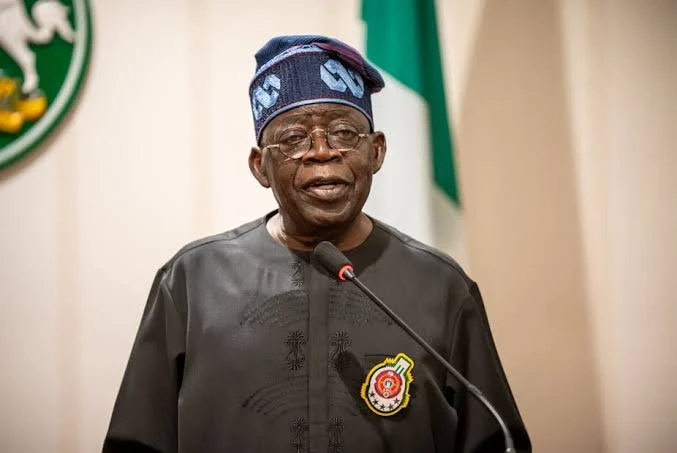
The Special Adviser to the Lagos State Governor on Tourism, Idris Aregbe, has unveiled the Renewed Hope Creative and Innovative Hub to equip young people with skills, entrepreneurship training and digital innovation opportunities.
Speaking at the unveiling, Aregbe said the initiative was designed to bridge the gap between talent and opportunity by providing mentorship, skills acquisition and enterprise development for youths.
According to him, the hub aligns with President Bola Ahmed Tinubu’s Renewed Hope Agenda and the Lagos State Government’s THEMES+ agenda by investing in human capital and innovation.
He said “The Renewed Hope Creative and Innovative Hub is built for the young and the vibrant. Through skills acquisition, mentorship, entrepreneurship and digital innovation, we are creating a platform where talent can flourish and young people can become agents of change.”
“Our goal is to equip our youths to become self-reliant, build sustainable livelihoods and contribute meaningfully to the development of Lagos State and Nigeria.” He added.
Aregbe commended President Tinubu for placing young people at the centre of national development and praised Governor Babajide Sanwo-Olu and Deputy Governor Dr. Kadri Obafemi Hamzat for their commitment to youth empowerment.
He urged young people across Lagos to take advantage of the opportunities offered by the hub, describing it as “a commitment to empowering the next generation of leaders, innovators and changemakers.” He said.
The United States court has jailed a 42-year-old popular Anambra State politician, Franklin Ikechukwu Nwadialo, for five years in federal prison for orchestrating a romance scam online, where he defrauded victims of over $3.5 million.
This was disclosed in a statement by the US Department of Justice, stating that the sentencing was handed down to him by U.S. District Judge Tiffany M. Cartwright on Monday, June 22, in Washington, adding that the crime was devastating.
Vanguard reported that Nwadialo is the chairman of the Ogbaru Local Government Area of Anambra.
According to the judge, the scam had caused severe financial losses and inflicted deep emotional harm on victims, which included “shame, depression, and isolation from their own family.”
In 2024, when Nwadialo was first arrested, the Anambra state government denied that he had once been appointed by Governor Charles Soludo. Law Mefor, the state’s commissioner for information and public enlightenment, spoke on the development on Saturday, November 9.
However, his sentencing has started generating reactions from Nigerians.
Below are some of their comments:
David Ogba called for sanctity in public offices: “Public office should symbolize trust, not scandal. Cases like this stain Nigeria’s image and deepen public distrust. Accountability must be swift, transparent, and extend beyond prison to public office too.”
Joedinho decried the damage the sentencing of the local government chairman had caused Nigeria: “Every time a public official gets caught in a case like this, people say it’s an isolated incident. At some point, that excuse stops being believable.
A local government chairman involved in a romance scam worth over $3.5 million? If true, that’s the kind of headline that writes its own criticism. Unpopular opinion: the real damage isn’t the money lost.
It’s the damage done to public trust and Nigeria’s reputation whenever a high-profile figure is linked to fraud. The most disturbing part isn’t the sentence. It’s that someone entrusted with public responsibility was allegedly running a scheme that targeted vulnerable people for millions.”
Nwa Regina claimed that Nigeria’s broken electoral system gave room for someone like Nwadialo to hold public office: “These are the criminals we entrust power to through our broken electoral system. Smdh!”


2027 Election: Top APC Governor Finally Speaks on Joining ADC

No More N1,300/Litre: Relief As Petrol Prices Drop, Marketers Announce New Rates

Nigerian Gov Declares Tuesday Public Holiday Across State

Former Super Eagles Star Loses Life Savings, Duped By A Pastor of ₦1.2 Billion

I’m A Married Man, I Can Never Get Myself Involved With Such A Thing, Delta Gov Aide Reveals Why He Offered Comfort ₦500,000 Job

Lagos Imposes ₦250,000 Fine For Illegal Waste Disposal

-
 Business2 days ago
FG Unveils Portal, Targets 26,961 Nigerians for New Positions
-

 Business2 days ago
Top 10 Richest Yoruba Billionaires: South West Wealthiest Entrepreneurs, Key Factors Behind Their Wealth
-
 Politics2 days ago
2027: ADC Gov Candidate Announces Top Ex-Lawmaker as Running Mate
-
 News2 days ago
BREAKING: Tinubu Gives New Top Appointment
-
 Politics2 days ago
REVEALED: Why Makinde Dropped Speaker Ogundoyin and Picked Bimbo Adekanmbi as Successor
-
 News2 days ago
REVEALED: Five Governors Set to Convert Local Security Groups Into State Police
-
 Tech16 hours ago
Nigerian Gov Declares Tuesday Public Holiday Across State
-
 Politics2 days ago
2027 Presidency: Kwankwaso Breaks Silence on Peter Obi’s Controversial One-Term Commitment