
Business
Dangote, BUA Release Fresh Cement Prices Nationwide

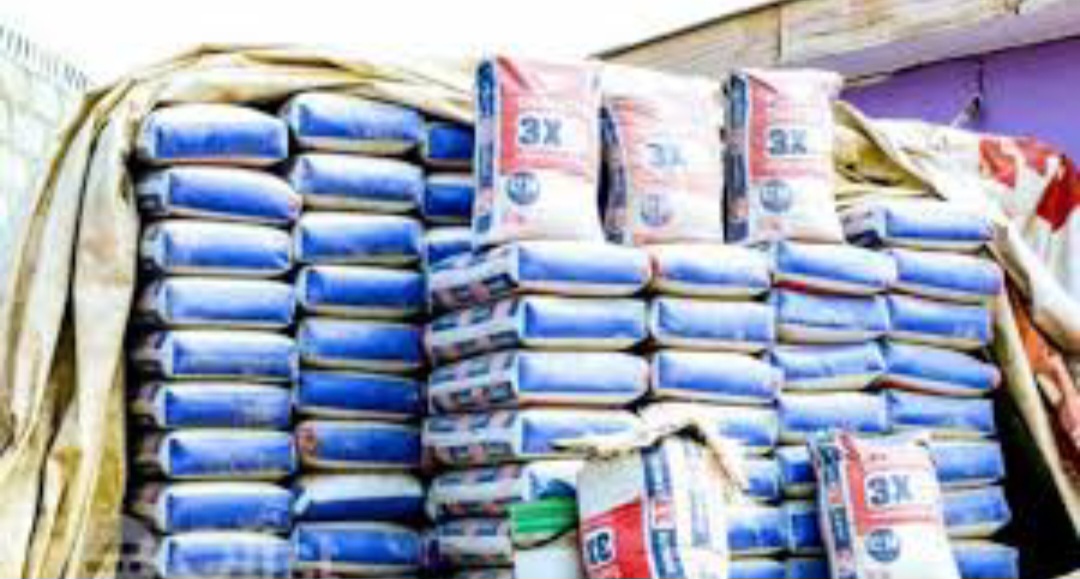
Retail cement prices in Nigeria continued to increase in July 2026, with 50kg bags now selling for between NGN12,000 (US$7.80) and NGN15,000 (US$9.75), depending on the producer and location.
Dangote Cement products are retailing for NGN13,000-15,000, BUA Cement for NGN12,000-14,500, while HBM Nigeria (formerly Lafarge Africa) products are priced at NGN12,000-13,500. In some parts of Lagos, Abuja, Port Harcourt and southeastern Nigeria, retail prices have reportedly exceeded NGN15,000/bag.
The increases come despite increased competition following the formal completion of Huaxin Cement’s acquisition of an 83.81 per cent stake in Lafarge Africa from Holcim.
However, analysts have cautioned that stronger competition is unlikely to translate into lower prices in the near term, as cement costs remain heavily influenced by high energy prices, inflation, foreign exchange volatility and rising logistics costs.
Speaking at Dangote Cement’s 17th AGM earlier this month, Chairman Emmanuel Ikazoboh said energy accounts for around 60 per cent of cement production costs, while foreign exchange movements have further increased manufacturing expenses.

The Nigerian National Petroleum Company Limited (NNPC Limited) on Tuesday reported a profit after tax of N7.2 trillion for the 2025 financial year, representing a 33 percent increase from the N5.4 trillion recorded in 2024.
The company’s revenue, however, declined by 23.4 percent from N45.075 trillion in 2024 to N34.516 trillion in 2025.
NNPC Limited also reported earnings per share of N35.9, while its taxes, royalties and other remittances to the Federal Government increased by 39 percent to N22.3 trillion.
The company attributed the increase in profit despite lower revenue to improved operational efficiency and cost discipline. Speaking on the results, NNPC Limited Group Chief Executive Officer (GCEO), Engr. Bayo Ojulari, said the decline in revenue was largely due to lower crude oil prices and reduced white-product volumes following market deregulation.
He said the company nonetheless achieved improved operational performance, with crude oil and condensate production reaching a five-year high of 1.77 million barrels per day at its peak in 2025.
Natural gas supply also rose to a three-year high of 7.2 billion standard cubic feet per day, he said.
According to the company, crude oil production for the year stood at 565.8 million barrels, with 278.2 million barrels supplied to domestic refineries.

Gas supply to power plants and commercial customers stood at 473.3 billion standard cubic feet during the year.
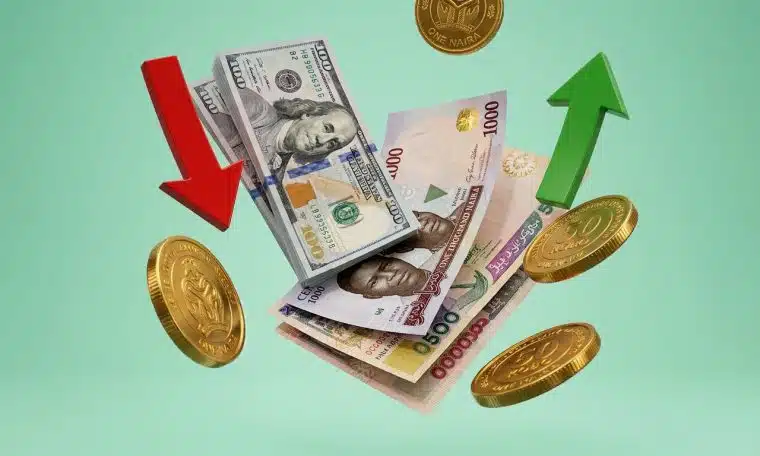
The Nigerian currency, Naira (₦), continued its battle against the United States dollar at the official foreign exchange market on Monday, 28/09/2026.
Naija News reports that data from the Central Bank of Nigeria (CBN) showed that the local currency sold at ₦1,331.3292/1$ on Monday.
The latest rate represents a change in figure from Sunday’s rate of ₦1,329.5138/1$.
At the parallel market (black market), however, the naira closed on Monday at ₦1,382 to the dollar.
The offer by commercial banks, Bureau de Change (BDC) operators, and other foreign exchange dealers may, however, differ from the reference rates because of transaction margins and prevailing demand and supply conditions.
Market participants will continue to monitor foreign exchange inflows, demand for dollars, and CBN policies for indications of whether the naira can sustain its gains through the month.
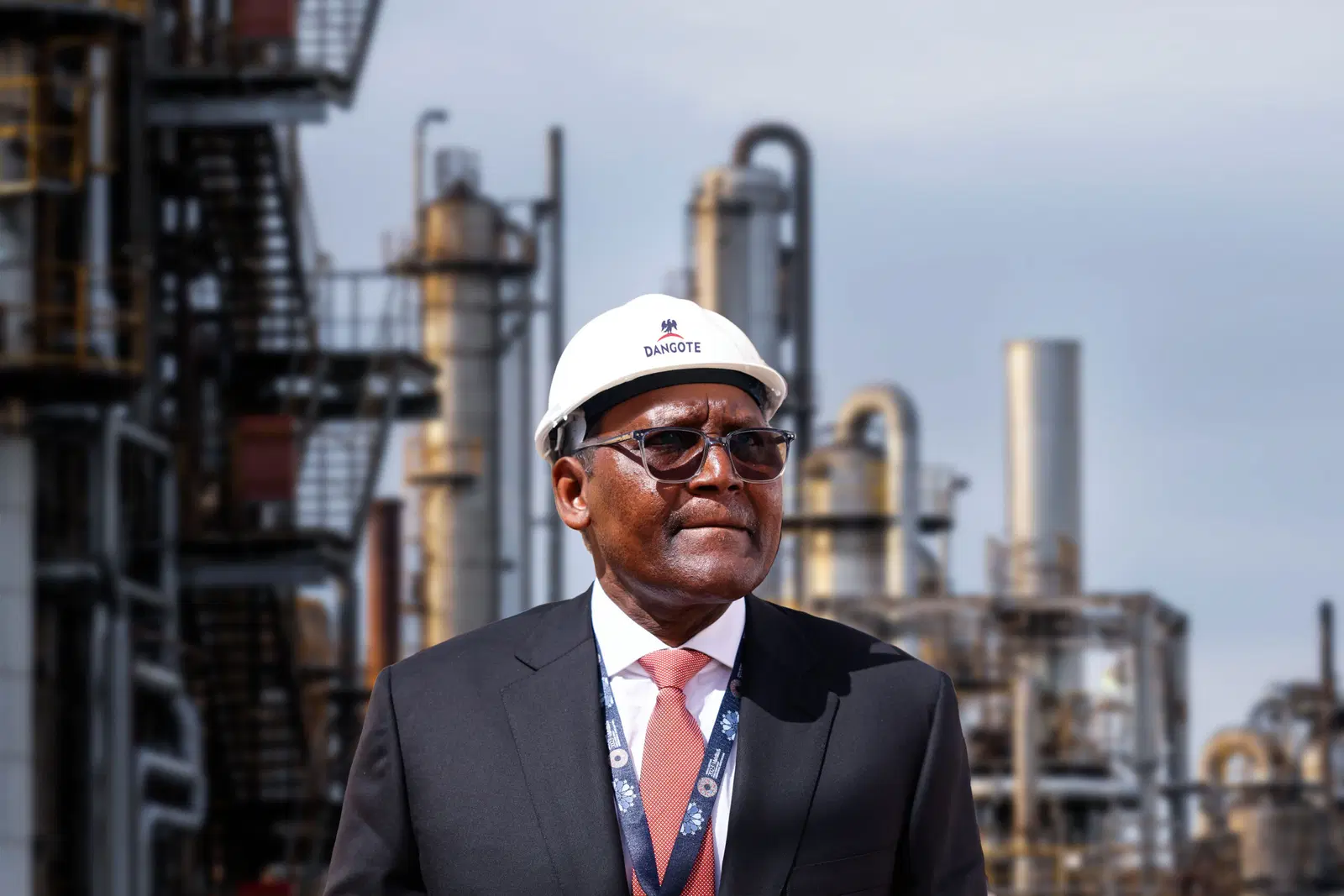
The Emir of Kano, Muhammadu Sanusi II, has warned prospective investors against using their children’s school fees or selling their homes to invest in shares.
Sanusi gave the warning on Thursday while speaking at the Dangote Refinery Initial Public Offering investor roadshow in Kano.
He urged Kano residents and other prospective investors to invest only money they could afford to set aside for some time, saying they could consider amounts such as N10,000, N20,000 or N30,000.
He said, “Do not take your children’s school fees and put in shares, Do not sell the house that you live in and put in shares.
“But what you can afford,10,000, 20,000, 30,000, what you can afford to set aside for some time, set it aside. And if you look at the fundamentals of the economy, over time you can be assured that this investment will grow, and you will not regret it.”
The Emir was speaking as part of the ongoing investor outreach for the Dangote Refinery IPO, which opened on September 14.
Sanusi urged Kano residents to participate in the capital market, saying they should seek to become shareholders in the refinery founded by Kano-born businessman, Aliko Dangote.
“I speak as the Emir of Kano, I would like my people to be owners of this company.
“I do not want us to be left behind in the capital markets. I do not want us to be left behind in financial inclusion. So this is the time and this is the opportunity,” he said.
The Emir also urged representatives of unions and other groups to educate their members about the opportunity to invest.
He advised prospective investors to adopt a long-term approach rather than buying shares in anticipation of quick profits.
“And I’m not talking about someone who will buy 5,000 shares and want to sell tomorrow and believe he will get 10,000. No, I’m talking about you have some money, put it in, leave it there for some time, and just watch your money grow.
“Forget about it for some time. You’ll be surprised in five years the 10,000 Naira you invest today, what it will be. The 100,000 Naira you invest, what it will be,” Sanusi said.
Sanusi also said the location of the refinery should not discourage Kano residents from investing, stressing that shareholders, rather than the location of the facility, determine ownership of the company.
“It doesn’t matter where the refinery is located. It could be located in Lagos, or Ibadan, or on the moon. It is the shareholders who own it.
“It is the shareholders who own it. It’s the shareholders who take the return. It is the shareholders who own the profit,” he said.
The Emir described Dangote as a son of Kano and urged residents to take advantage of the IPO to have a stake in the company.
“We have heard Lagos claim Aliko. I know very soon even Egypt will claim him, America will claim him. But we all know where he comes from,” Sanusi said.
He added, “I would like to say that this is his grand homecoming. We are happy to donate him.
“We are happy to share him, but please do not take him away from us.”
Sanusi also highlighted the refinery’s operations, saying prospective shareholders could see the assets and activities of the company, including its production of refined petroleum products and fertiliser.
He said the refinery was also creating direct and indirect jobs and had secured its gas supply, port access and markets.
-Punch


BREAKING: Prominent Billionaire, Wife Killed In Helicopter Crash

Independence Day 2026: Read Tinubu’s Full Speech to Nigerians

BREAKING: Tinubu Speaks On Subsidy Return

Former Super Eagles Star Loses Life Savings, Duped By A Pastor of ₦1.2 Billion

I’m A Married Man, I Can Never Get Myself Involved With Such A Thing, Delta Gov Aide Reveals Why He Offered Comfort ₦500,000 Job

Lagos Imposes ₦250,000 Fine For Illegal Waste Disposal

-

 News18 hours ago
BREAKING:Tears As NDC Chairman Killed In Shocking Attack
-

 Entertainment2 days ago
Violence Is Never An Option – BBNaija Disqualifies Keivo For Beating Tram
-
 News2 days ago
BREAKING: FG Responds to Workers’ Demand for New Salaries, Wage Award
-
 News2 days ago
Atiku Demands Tinubu Publish $5bn US Health Deal After Ghana Rejected Pact
-
 News2 days ago
Workers Give FG Deadline, Threaten Nationwide Strike Over N500 Petrol Price
-

 Health2 days ago
From Monaco to London, Dubai: Inside Femi Otedola’s Private World of Billionaire Friendships
-

 Politics2 days ago
Obidients Reject INEC Plan to Deploy AI for 2027 Elections
-

 Entertainment1 day ago
BREAKING: Painful As Popular Nollywood Actor Is Dead