Those who shared these thoughts yesterday were President Tinubu; Nobel Laureate, Professor Wole Soyinka; former Ogun State governor, Aremo Olusegun Osoba; Professor Sylvester Odion-Akhaine; Chief Fred Agbeyegbe, Dr Olisa Agbakoba, SAN; and Olubadan of Ibadanland, Senator Rasheed Ladoja.
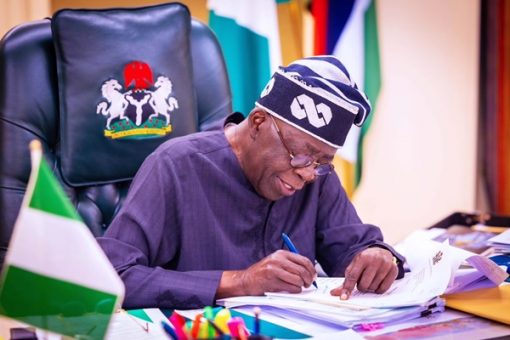
Speaking at the launching of the book, “The NADECO Story” written by Chief Ayo Opadokun, and presentation of awards to those who played key roles in the democratic struggle by the National Democratic Coalition, NADECO, which led the struggle between 1994 and 1998, in Lagos yesterday, former Ogun State governor, Olusegun Osoba, who represented Tinubu, said: “As for security, he says, I should let you know, that he is aware that there is a deliberate attempt to disrupt the peace of this country by people whom he knew he had offended by canceling multiple exchange rates and by canceling oil subsidies.
“He said those cabals who are doing round-tripping will wish him dead any time but he is determined that if that is the only thing he would do, he would make sure he rearranges the economy. No matter what, he is determined to face it. So that’s the message from Mr. President.”
Expect better deal in my second term – Tinubu
According to Osoba, the President commended NADECO for the struggle, and said he won’t be in power today without NADECO, and promised to perform better in his second term, if re-elected.
Osoba said: “The President asked me to tell you that he is fully with you, and he still has his tremendous respect that he would not have been where he is today if not for all of you here who have fought to entrench democracy.’’
Focusing on economy, insecurity now
Speaking further, Osoba said: “He says he is ever grateful for what all of you have done to bring this country to where we are today, and he has also asked methat, by the grace of God, many of the things that you people have been asking him to do, that when he gets his second term, he is going to start implementing some of the political issues. He said the major issue before him now is the economy and security.
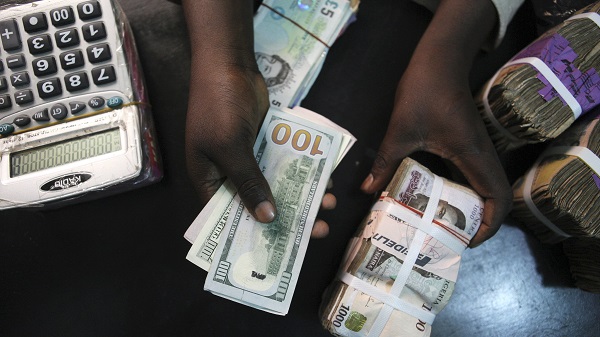
“You all can see now that the security situation is now moving gradually into the South-West zone. So he says the first major thing he is facing now is the economy, and, you all can see that the difference between the parallel market and official market exchange rate is virtually zero now. The Naira, which they thought would be N2,000 to 1 dollar, is now 1,380 or thereabouts.
“In fact, he says he is not going to allow the Naira to get too strong. He does not want to create confusion for those who have brought money at about N1,500 and other goods.
Roll call
The event drew elder statesmen and lovers of an egalitarian society, such as Publisher of Vanguard, Mr Sam Amuka; one of the founders of NADECO, Professor Anya O Anya; rights activist, Dr Ogaga Ifowodo; Mr Akin Omojola; Chief Fred Agbeyegbe; Professor Anthony Kila; Nollywood Icon, Mrs Joke Silva; former Information Minister, Mr Labaran Maku; Dr Olisa Agbakoba, SAN; and Chief Solomon Asemota, SAN
Others include Senator Bode Olajumoke, Mr. Wale Oshun, Dr Joe Okei-Odumakin, Mr Lade Bonuola, Dr Obi Nwakanma, Mrs Jumoke Anifowoshe, Mr Wale Adeoye, and Vanguard Ombudsman, Mr Richard Akinnola.
One of the highlights of the event was special awards to Vanguard Newspapers, The Guardian, Punch, Concord, Tell, The News, Classique and other media organisations for their unique roles in the struggle.
Leaders of NADECO such as late Chief Michael Ajasin, Senator Abraham Adesanya, Dr Arthur Nwankwo, Chief Anthony Enahoro, Dr Beko Ransome-Kuti, Mrs Kudirat Abiola, Chief Alfred Rewane and backers in the diplomatic and human rights community, among others, were also honoured.
I was almost killed — Osoba
Speaking in his personal capacity, Osoba saluted Opadokun for writing the book.
“As for NADECO, I want to thank Opadokun. Most people don’t know that when we formed NADECO, we did not form it for June 12. NADECO was formed in the house of General Adeyinka Adebayo in Ikeja, purposely for the restoration of democracy.
“Chief MKO Abiola (winner of the June 12, 1993 annulled presidential election) was not a member. He was not part of it. NADECO was not formed to fight for June 12.
“NADECO was formed to fight for the restoration of democracy. It was when Abiola came back from South Africa at the inauguration of Mandela that I brought him to the meeting of NADECO. And he was asked by NADECO if he was ready to join in fighting for the restoration of democracy?
“It was then that he joined NADECO. And people now turn it into a fight for restoration of June 12. So, I want to make that clarification. And there were 59 of usacross Nigeria.
“The Eastern Mandate union was there, under Arthur Nwankwo. The Campaign for Democracy, under Beko, was there. And Papa Ajasin was the one that we made the chairman. And Papa Enahoro became the chairman of NADECO abroad.