News
“Alaafin Has No Crown” Sunday Igboho Opens Up On Alleged Insulting Oba Owoade On Viral Video

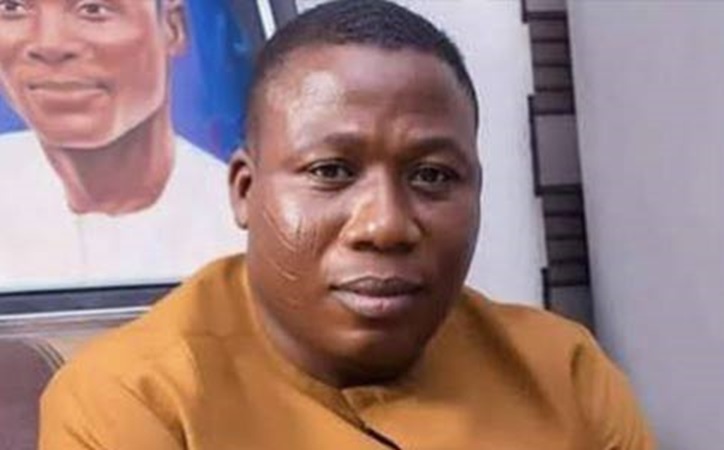
Yoruba Nation agitator Sunday Adeyemo. popularly known as Sunday Igboho , has reacted to the reports that he insulted the newly installed Alaafin of Oyo, Oba Abimbola Owoade , during his recent visit to the Ooni of Ife’s palace , Oba Adeyeye Ogunwusi.
A viral video from Ooni’s palace showed Igboho saying: “Alaafin has no crown, it was my father’s crown they collected and dashed Alaafin.”
The remark triggered widespread backlash online, with many interpreting it as a direct insult to the Alaafin.
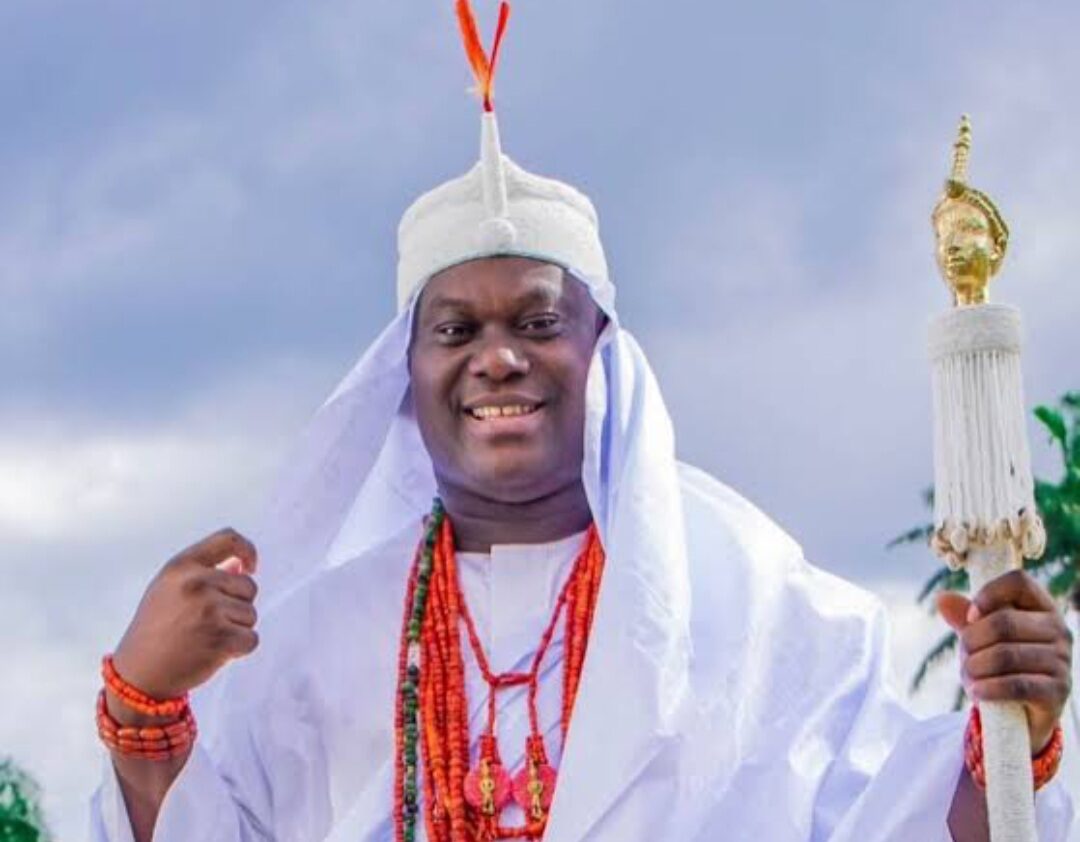
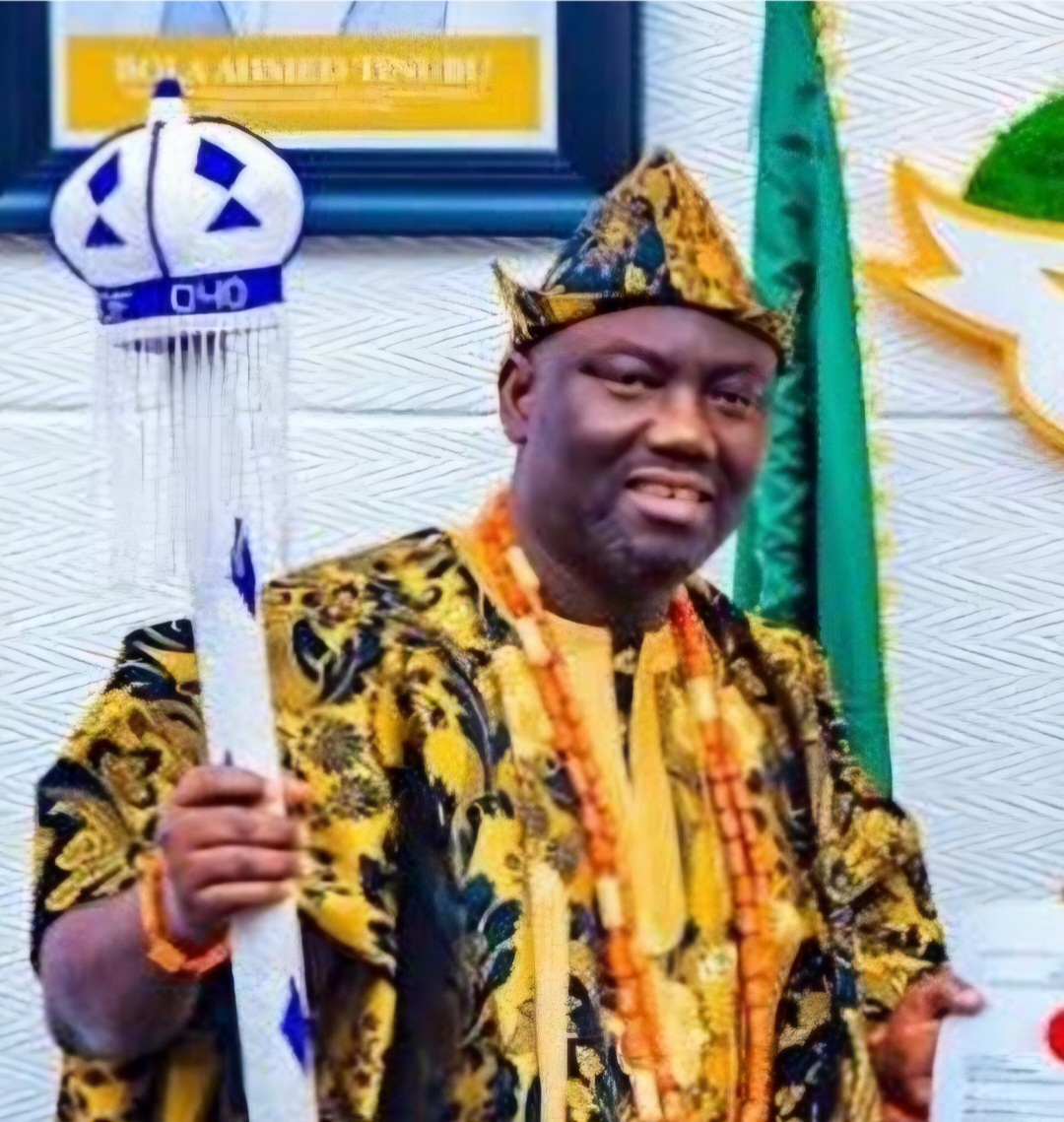
However, Igboho has now clarified that the statement was an ancestral oríkì (praise shant) from his Aladikun lineage and not intended as a slight.
Igboho Explains His Words In a video shared on Sunday, he said: “My father, Olugbon, called me and explained that Alaafin thought I was abusing him. I was not abusing you; why would I be abusing you? Olugbon is not a small king in Yoruba land, and if he corrects me, I w ill amend immediately.”

He further stressed that the chant was a form of self-praise familiar to his lineage and well-known in Yoruba tradition:
“That’s the way they normaly eulogize us in my Aladikun lineage, which the Alaafin is also aware of. They vould say: Lade Lade Lade, Alaafin doesn’t have a crown, it is the crown of Aladikun that was collected for Alaafin.’ That’s how we eulogize ourselves.”
“Ooni of Ife is a peaceful person; when I eulogized myself in his palace, he did not take offense. He even celebrated me and called other monarchs to honour and pray for me.”
Calls for Peace Among Monarchs
The activist also appealed for peace and unity among Yoruba traditional rulers, saying he had no reason to disrespect the Alaafin.
“I have nothing to gain in abusing Alaafin. What I’m after is peace among our kings. Please forgive me, I dare not disrespect you,”Igboho said.
Igboho, who has been seeking reconciliation with monarchs after years in exile, also renewed his call on the Federal Government to remove his name from itS. Zq wanted list, stressing:”I am not a criminal.”
Background on the Alaafin-Ooni Rift
His clarification comes amid a fresh row between the Alaafin and the Ooni of Ife over chieftaincy authority.
The dispute began after the Ooni conferred the title of Okanlomo of Yorubaland on businessman Dotun Sanusi. The Alaafin rejected the move, issuing a 48-hour ultimatum for its revocation, insisting only the Alaafin, nas the authority to bestow titles across Yorubaland.
Oba Owoade, who became the 46th A laafin of Oyo in April 2025,also declared that the British colonial government had recognised the Alaafin as the “superior head of the Yoruba Nation,” a position he said was backed by a Supreme Court ruling.
Prominent Yoruba leaders, including Aare Ona Kakanfo Gani Adams and the Olugbon of Orile-Igbon, have since appealed for calm, urging both monarchs to prioritise unity in Yorubaland.


The Nigeria Correctional Service, NCoS, Kwara State Command, has released the names and photos of the two death-row inmates who escaped from the Medium Security Custodial Centre, Oke-Kura, Ilorin.
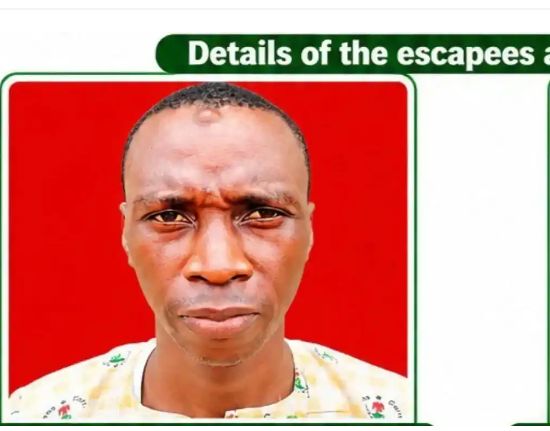
The two inmates escaped in the early hours of Wednesday, November 18, after breaking through and scaling the perimeter wall of the facility.
Their identities were disclosed in a statement issued on Friday by the Kwara State Command’s Public Relations Officer, Adegbulugbe Olumide.
According to NCoS, the first inmate is 41-year-old Segun Abraham Nasiru from Lokoja, Kogi State, while the second person is 38-year-old Oluwasegun Omoyajowo Ajiboye from Ilaro, Ekiti State.
The NCoS disclosed that Nasiru had earlier escaped from the Mandala Custodial Centre, been rearrested and transferred to Oke-Kura.
The Controller-General of the NCoS, Sylvester Ndidi Nwakuche, while reacting, blamed the incident on negligence.
“This is unfortunate and unacceptable. This is a facility that locks over 600 inmates, and about two inmates have found their way out, but I can assure you the dragnet has been spread and we will get them back,” he said.
According to him, any officer found culpable will be severely punished.
The NCoS appealed to members of the public to help with useful information that can lead to the recapture of the fugitives.
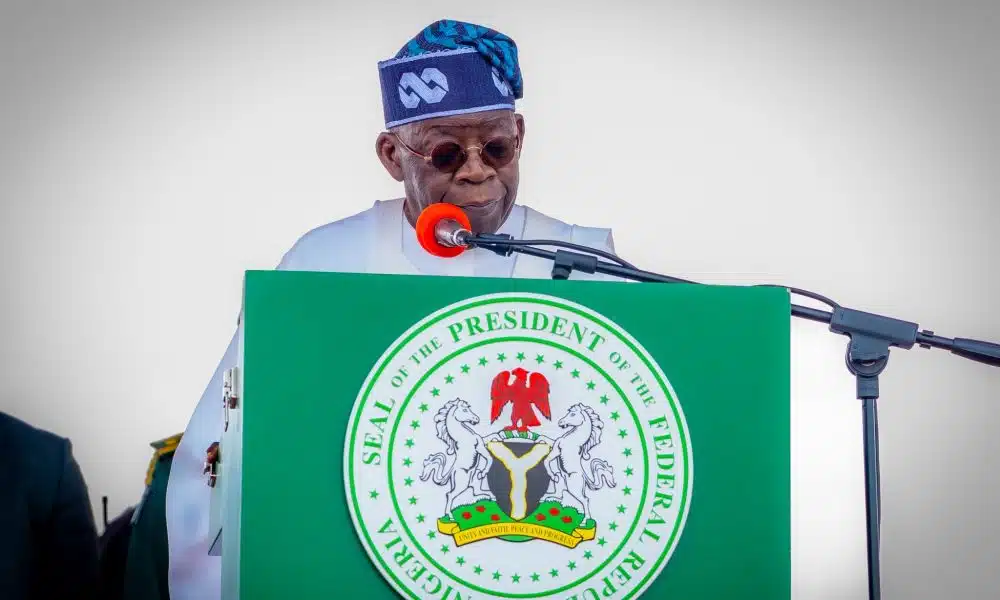
The Presidency said Dabiri’s appointment forms part of Tinubu’s efforts to ensure effective regional representation and inclusivity on the commission.
President Bola Tinubu has appointed Agboola Dabiri as the South-West Commissioner on the National Assembly Service Commission.
Naija News understands that Dabiri, until the recent appointment, was the Lagos State Commissioner for Youth and Social Development.Nigerian news subscription
He takes over from Taiwo Oluwa, who resigned from the commission on March 30, 2026, to run for the Irewole/Isokan Federal Constituency seat in Osun State.
The Special Adviser to the President on Information and Strategy, Bayo Onanuga, announced the appointment in a statement on Friday.
The statement said that, in addition to his work in the Lagos cabinet, Dabiri also worked in the Federal Capital Territory Administration.
It read, “Until his appointment, Dabiri served as Commissioner for Youth and Social Development in Lagos State. He also previously served as Mandate Secretary for Economic Planning, Revenue Generation and Public-Private Partnership in the Federal Capital Territory.”
The Presidency said the appointment was meant to give every region fair representation on the commission.
“The appointment is part of the President’s efforts to ensure effective representation and inclusivity in the National Assembly Service Commission,” the statement added.
Section 157 of the 1999 Constitution establishes the National Assembly Service Commission. The commission appoints, promotes and disciplines the staff of the National Assembly.
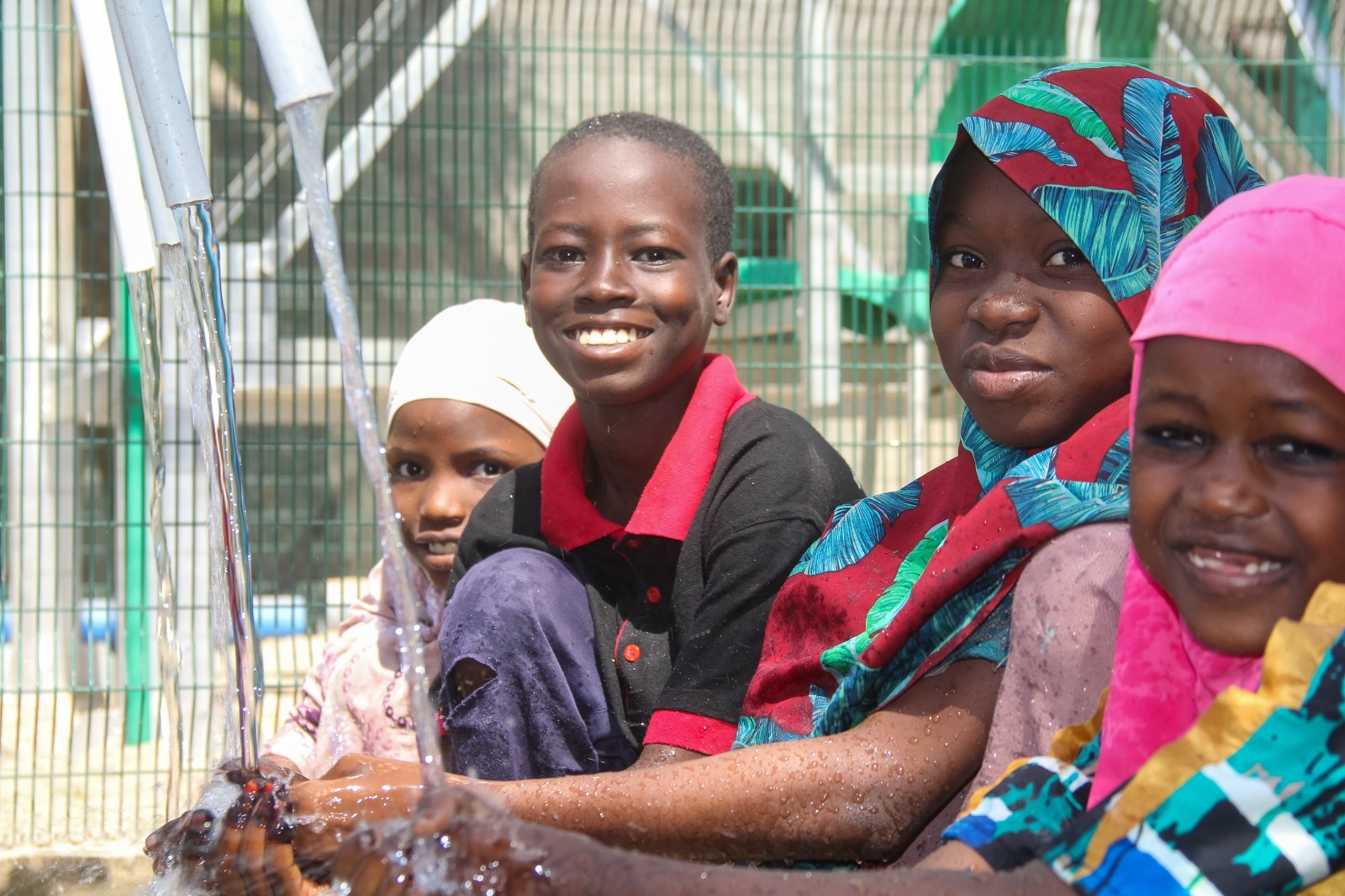
SOS Children’s Villages Nigeria calls on government, communities and development partners to put it into practice by treating children and young people as partners and co-creators of solutions to the issues they face. The call places particular focus on children who have lost parental care or are at risk of losing it.
“Children already have a voice. Our job is to create the conditions in which they can use that voice safely and be taken seriously,” said Eghosa Erhumwunse, National Director of SOS Children’s Villages Nigeria. “Children and young people often know best how to solve the problems they face. What they need is the opportunity and the space to thrive.”
A child should know their rights, know where to go for help and be able to influence decisions about their care, their education and their future. Listening must lead to action.
This principle guides the organisation’s programmes. Family strengthening helps parents and caregivers to care for their children and keep families together. Where children cannot live with their families, alternative care provides safe, family-based settings. Youth development prepares young people for independent adult life, and child rights advocacy strengthens community and state child protection systems. Together, these programmes give children the security they need to exercise their rights.
Violence remains part of daily life for many children in Nigeria. Nine in 10 children aged 1 to 14 experience violent discipline at home (NBS and UNICEF, MICS 2021), and more than 8 in 10 experience it in school (UNICEF, 2022).
Children and young people are already contributing to the response. Ahead of the Second Global Ministerial Conference on Ending Violence Against Children, held in Manila in November 2026, members of the Children and Youth Council in communities we work in set out their position in a policy brief. They believe children should not be seen only as victims in need of protection, but as agents of change who can identify risks, support their peers and help shape the policies that affect them. As one Council member put it: “We cannot build a safer world for children without listening to children.”
Meaningful participation requires age-appropriate information, trusted adults and safe ways to report concerns. Children should be able to express their views in ways that suit their age, ability and circumstances, and be told how those views were used. Children with disabilities, displaced children and children in alternative care need particular attention. Participation must also protect children’s privacy: no child should be pressured to recount a traumatic experience, appear in the media or share personal information to be heard. Supporting children to speak up must never shift the responsibility for their protection onto them.
SOS Children’s Villages Nigeria will continue to strengthen families and communities while creating spaces where children and young people can drive real change.
On World Children’s Day, SOS Children’s Villages Nigeria and its Children and Youth Council call for the following actions:
Government and public institutions: Resource child protection, family support and alternative care services, and strengthen implementation of the Child’s Rights Act 2003, the National Plan of Action to End Violence Against Children (2023 to 2027) and the National Alternative Care Guidelines. Ensure that children who cannot live with their families receive safe, family-based care. Establish confidential, child-friendly reporting mechanisms in schools and communities, and involve children as equal partners in designing and monitoring child protection policies, with clear feedback on how their views were used
Schools, families and communities: Create safe environments in which children can speak up without fear of blame or punishment. Promote positive discipline in place of corporal punishment, challenge harmful practices such as child marriage, teach digital safety alongside children’s rights, and ensure that every report leads to timely support.
Businesses, donors, civil society and the media: Invest in family strengthening, child protection and youth-led initiatives, including peer support and peer mediation in schools. Support children’s own advocacy priorities and protect their dignity and privacy in all communications.
“The test of our commitment is what happens after a child speaks,” Erhumwunse added. “When a concern is raised, it must be addressed. When a right is violated, it must be remedied. Every child should grow up knowing that their voice matters and that adults will act to protect it.”


Govt Release Identities Of Death Rows Inmates Who Escaped From Nigerian Prison

Just In: Tinubu Announces Top New Appointment