Entertainment
Top Nigerian Celebrities: Global Impact, Social Advocacy

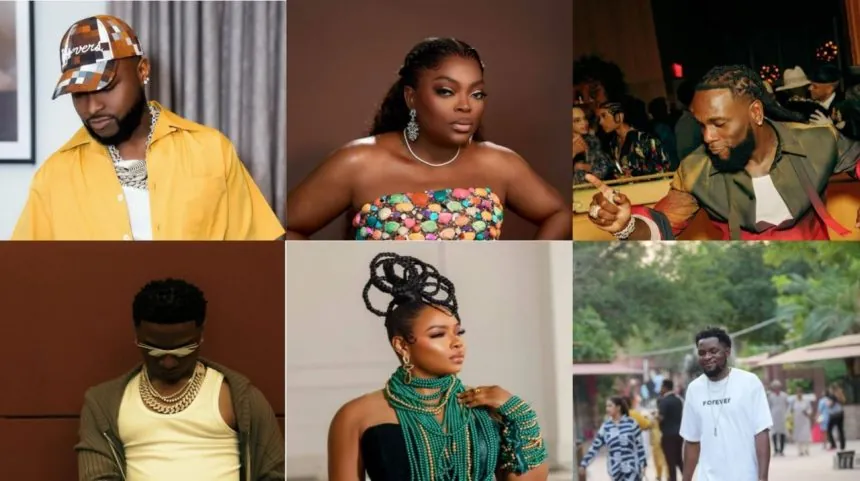
In a world increasingly defined by digital power and cultural capital, a new wave of Nigerian influencers is not just participating in global conversations — they’re leading them. From Grammy-winning musicians to viral comedians and cross-border fashion icons, these Nigerian personalities are flipping the script on Africa’s global image, building brands, and shifting narratives — all from their phones, stages, and creative studios.
This isn’t mere celebrity. It’s cultural diplomacy in real time. And this is happening in an environment where global headlines still wrestle with questions of migration, security, and identity. Many Nigerians are navigating and influencing the world. Their work spans industries, breaks down borders, and generates billions of impressions. And while some use comedy, others wield sound, style, or social justice. But they all share one thing in common: they are reshaping how the world sees Africa—and how Africa sees itself. Here are the top Nigerian influencers using their platforms to reshape global culture:
1. Davido — The Music Star Turned Movement Leader
29.6M Instagram Followers | Global Tour Icon | Afrobeats Ambassador
Born in Atlanta but rooted in Lagos, Davido (David Adeleke) has become one of the world’s most powerful voices in the Afrobeats movement. His album Timeless and global tour cemented his international stardom, but it’s his fearless civic engagement that sets him apart.
Davido was among the few artists who marched shoulder-to-shoulder with Nigerian youth during the #EndSARS protests, calling out police brutality and government silence. With nearly 30 million followers across platforms, his words echo beyond music into politics, philanthropy, and global youth activism.
One of the top Nigerian celebrities David Adeleke, popularly known as Davido.

On his birthday in 2021, he crowdsourced nearly $600,000 from fans and celebrity friends—and then shocked everyone by donating it all to orphanages across Nigeria.
He’s also helped redefine what it means to be a global African superstar: one who is loud, proud, generous, and deeply rooted in homegrown values. From sold-out arenas to political halls, Davido’s influence underscores the power of celebrity when matched with conscience. This blend of artistry and advocacy is why Davido is not only a music star, but a cultural movement.
2. Tiwa Savage — The Queen of Afrobeats and Feminist Firepower
18.8M Instagram Followers | UN Performer | Cultural Icon
Globally adored for her sultry vocals and magnetic stage presence, Tiwa Savage is more than a hitmaker — she is a bold advocate for women’s rights, identity, and equality.
Breaking barriers in a male-dominated industry, she became the first African woman signed to Jay-Z’s Roc Nation and frequently uses her platform to highlight issues from gender violence to female economic empowerment. Her activism during the pandemic, and her outspoken role during #EndSARS, demonstrated how a pop star can embody both glamour and grit.
“Being a superstar means nothing if you can’t lift your people with you,” she said recently.
Tiwa regularly donates to health and education initiatives and uses her brand to mentor young African women. Her music, filled with powerful feminist anthems, reflects a modern African woman’s journey: empowered, self-aware, and unwilling to be silenced.
Whether performing at King Charles III’s coronation or headlining festivals across Europe, Tiwa Savage embodies a pan-African feminist movement with global reach.
3. Wizkid — The Silent Revolutionary with Global Stage Power
17.7M Instagram Followers | Grammy Winner | Cultural Architect
Wizkid (Ayodeji Balogun) may be soft-spoken, but his influence is thunderous. His hit “Essence” became the first Nigerian song to crack the U.S. Billboard Hot 100 Top 10, redefining Afrobeats’ global impact.
Wizkid rarely engages in public controversy, but when he speaks — it resonates. During the 2020 protests in Nigeria, his tweet calling out the president over police killings went viral worldwide, shaking political circles and giving youth activists a powerful ally.
“I’m just here to make good music and represent where I’m from,” he says — but in doing so, he’s shaping global perceptions of African excellence, one performance at a time.
Wizkid’s brand is one of effortless cool and cultural pride. He’s worked with everyone from Drake to Dior, fusing street style with luxury, Lagos slang with Grammy-worthy lyrics. And behind the scenes, he nurtures rising stars through his Starboy label.
In an era of loud opinions, Wizkid proves that quiet confidence, when backed by impact, can change the world.
4. Burna Boy — The Afro-Fusion Revolutionary Reshaping Global Culture
15.6M Instagram Followers | Grammy Winner | Global Cultural Provocateur
If there is one name synonymous with unapologetic black consciousness, global rebellion, and sonic genius, it is Burna Boy. Born Damini Ebunoluwa Ogulu in Port Harcourt, Nigeria, Burna boy has taken Afro-fusion, beats, reggae, dancehall, and hip-hop—to Grammy-winning heights.
His 2019 album African Giant wasn’t just a musical achievement; it was a manifesto. With lyrics that denounce colonialism, criticize western media narratives, and celebrate Pan-African strength, Burna’s voice became a clarion call for a generation searching for pride and power.
In 2021, Burna Boy won the Grammy Award for Best Global Music Album with Twice as Tall—a groundbreaking project executive produced by Sean “Diddy” Combs. During his acceptance speech, he delivered a powerful message to Africans worldwide, declaring:
“Africa is in the house… this is a big win for my generation of Africans everywhere.”
The album made history as the highest-debuting Nigerian album on the Billboard 200 chart. It also achieved record-breaking success as the highest-charting African album in France, the Netherlands, and the United Kingdom.
He has performed on the biggest global stages, including Madison Square Garden, Coachella, Glastonbury, and the BET Awards. Burna is also the first African artist to sell out arenas in the UK and headline international festivals not as an opener, but a main act. His London Stadium concert made headlines across Europe, marking a turning point in how African music is programmed on global stages.
Yet Burna Boy is more than a performer—he is a political thinker. He was vocal during the #EndSARS movement, calling out governmental failures and urging global media to pay attention. His songs like “Monsters You Made,” “Another Story,” and “Dangote” tackle neocolonialism, corruption, class disparity, and the long shadow of exploitation. In doing so, he introduces African political education to Western pop audiences.
Fashion, too, is part of his arsenal. With his eclectic and Afrocentric style, Burna partners with fashion houses while making African textiles, hairstyles, and jewellery part of the global aesthetic. He uses fashion not just to stand out, but to stand firm.
5. Funke Akindele: Using Stardom to Inspire Social Change
To millions, Funke Akindele is best known as “Jenifa,” the iconic character from Nigeria’s beloved sitcom Jenifa’s Diary. But beyond the screen, Akindele is a dynamic force — a filmmaker, philanthropist, political advocate, and cultural influencer using her platform to drive meaningful change.
With over 16.4 million Instagram followers and a global digital presence, Akindele has evolved from actress to one of Nigeria’s most powerful voices. Her breakout 2009 film Jenifa gave birth to a hit series that used comedy to explore issues like education, peer pressure, and sexual health, making her work both entertaining and socially impactful.
Her storytelling has gained international reach, with several of her films streaming on Netflix. She brings Nigerian narratives to a global audience, highlighting the complexity of African womanhood in a patriarchal society. Her characters often depict single mothers, businesswomen, and survivors of abuse — bold, flawed, and inspiring.
In 2023, Akindele entered politics as a deputy governorship candidate in Lagos, advocating for education reform and digital access for youth. Though her party didn’t win, she energized young voters and women.
Beyond film and politics, she’s a committed philanthropist. Through the Funke Akindele Foundation and mentorship programs like the Scene One School of Drama, she empowers youth, women, and families with resources and skills.
Using her social media to promote wellness, civic awareness, and public health — especially during the pandemic — Akindele is a shining example of how celebrity influence can be used to uplift society
6. Yemi Alade — The “Woman of Steel” Championing Pan-African Pride
17.5M Instagram Followers | UNDP Ambassador | Cultural Unifier
Known as “Mama Africa”, Yemi Alade sings in multiple languages and performs across continents — from Dakar to Dubai. But her music is just one arm of her impact.
As a UNDP Goodwill Ambassador, she advocates for education, gender equality, and climate justice. Her campaigns have empowered women-owned businesses, pushed for rural girls’ education, and sparked unity across linguistic and ethnic borders.
“We can’t wait for the west to tell us we’re great. We must believe it ourselves,” she declared in a viral speech.
Yemi’s music is unapologetically African, and her visuals embrace heritage, power, and pride. From headwraps to high notes, she crafts an image of African womanhood that’s strong, joyful, and politically aware.
She’s also one of the few Nigerian stars to focus heavily on intra-African connectivity, performing in over 30 African countries and consistently promoting cross-border collaborations.
7. Mark Angel — The Comedy Mogul Making the World Laugh at Africa’s Truths
9.44M YouTube Subscribers | Viral Skit Producer | Youth Mentor
In a media landscape often dominated by music and fashion, Mark Angel is building a global movement — through comedy. His YouTube channel, Mark Angel Comedy, was the first African comedy channel to surpass 1 million subscribers.
Featuring everyday Nigerian life, and child stars like Emmanuella, his skits have racked up billions of views from Lagos to London to Los Angeles. But more than humour, his platform serves as a springboard for youth empowerment and social commentary.
From school fees to family dynamics, Mark Angel delivers laughter steeped in realism — and it’s striking a global chord. His digital empire has influenced how global audiences see Africa: not through pity, but through joy and creativity.
Behind the gags is a commitment to portraying authentic Nigerian experiences, and a belief in comedy as a tool for education, empowerment, and global understanding.
The truth of the matter is that what makes Nigerian influencers truly remarkable is not just their numbers — but their reach. They are cultural ambassadors, business moguls, and voices of a generation. Multinational brands across the globe are aligning with Nigerian stars to tap into Africa’s vibrant youth market. Hollywood is listening too — as evidenced by soundtrack deals, Netflix specials, and Grammy nods. From Afrobeats to viral skits, streetwear to civil disobedience, Nigerian influencers are shaping how the world talks, dresses, dances, and dreams. As the world scrolls, watches, and listens, one thing is clear: Nigeria is not just participating in global culture — it’s leading it.
Tribuneonlineng.com

Daily Voice reports that the Convener of the Coalition of Public Interest Lawyers and Advocates (COPA), Pelumi Olajengbesi, announced the singer’s death in a post via his Instagram page on Wednesday.
While praying for God’s mercy upon Toluwanisings, Olajengbesi expressed concern over the death of young Nigerians.
The family of the deceased also confirmed the demise in a statement via the singer’s Instagram page after confusion trailed the death.
In a post shared on his Instagram handle, Oloketuyi said Toluwanisings slumped on the stairs and was rushed from one hospital to another.
According to him, Toluwanisings was rejected in two hospitals before the third medical facility, which accepted him, confirmed the singer dead.
While describing the death as too painful, Oloketuyi wrote, “How Toluwasings died. DEATH SHAME ON YOU: You slumped on the stairs, and they began rushing you from one hospital to another. The first hospital rejected you, the second hospital rejected you, and by the time you got to the third hospital, they said you were gone.
“This is too painful to believe. A gospel musician whose voice once blessed souls, gone just like that?
“Death, why are you so cruel?
“Rest in peace, Toluwanisings. Your voice may be silent here on earth, but the songs you left behind will continue to speak.”
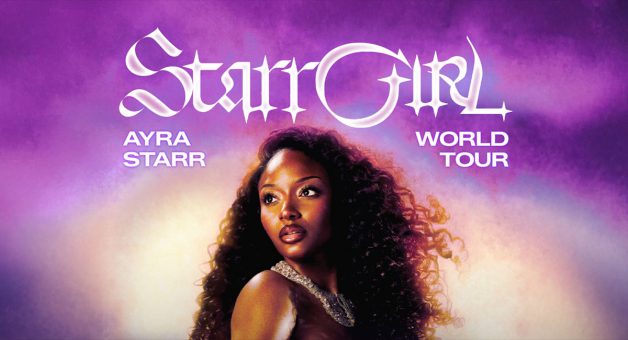
Afrobeats star Oyinkansola Sarah Aderibigbe, better known as Ayra Starr, has announced a 20-city world tour to support her third studio album, Starrgirl.
The Starrgirl World Tour is scheduled to begin in Europe in January 2027, with stops across Europe, the United Kingdom, and North America.
Ayra announced that the tour will open on January 20 at Live Music Hall in Cologne, Germany. It will then move through Amsterdam, Paris, Milan, Zurich and Brussels before closing the European leg in London on February 2 at Shepherd’s Bush Empire.
The North American leg will commence on March 18 at House of Blues in Houston, Texas, with additional performances in Dallas, Atlanta, Silver Spring, Boston, Philadelphia, Brooklyn, Toronto, Montreal, Chicago, Minneapolis and Denver.
The tour will round off on April 14 at The Fillmore in San Francisco, California.
Before the international dates, she is expected to perform in Africa in December 2026, though dates and venues for that leg are yet to be disclosed.
The announcement comes a day after her appearance at the National Football League International Game in London on Sunday, October 11, where she headlined the halftime show during the Philadelphia Eagles versus Jacksonville Jaguars match at Tottenham Hotspur Stadium.
The performance added to her growing list of international milestones, following the global success of her music and outings at major global events.
Starrgirl, released on August 14, 2026, through Mavin Records and Republic Records, features collaborations with British singer ZAYN, American singer Leon Thomas and Nigerian singer Wizkid. NigerianCulture Magazine
The album includes Heaven Baby with ZAYN, which reached number two on the Official Afrobeats Chart, according to the Official Charts Company.
Starr, known for breakout hits like Rush, Bloody Samaritan and Commas, has continued to expand her reach beyond Africa through streaming, international shows and cross-border collaborations.
According to her Instagram Story post, tickets for the European and UK dates will be available through artist and Mastercard presales starting October 14, with general sales opening October 16 at 10 am local time via Live Nation.
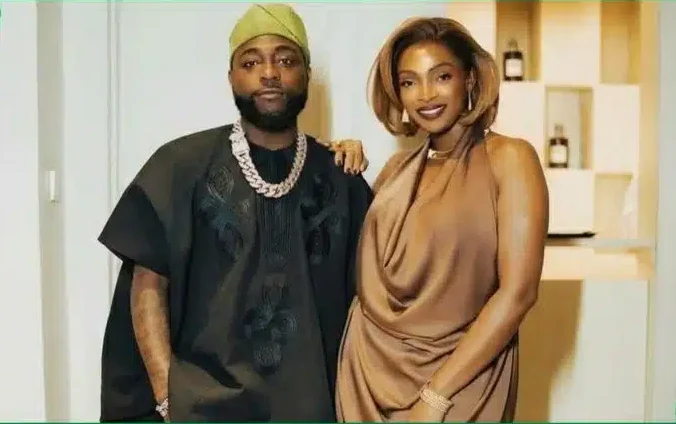
Sharon Ademefun (née Adeleke), the sister of popular Nigerian singer Davido, has said she no longer spends excessively on expensive clothes.
She said some things are worth the cost, but others are hard to justify.
Daily Voice reports that Ademefun shared her reservations during an interview on The Fashion Round Table podcast.
“I don’t really believe in buying expensive clothes, me personally. I believe that there are some things that are worth it. When I’m hearing that a wedding guest dress is $10,000, a wedding guest dress, they’re all the same price now,” she said.
Sharon also opened up about her wedding expenses, revealing that her husband paid $2,000 for her wedding dress, while she covered the cost of dresses for her 13 bridesmaids and an additional four or five hostesses.
“I remember for my wedding, my husband paid $2,000 for my dress, and I paid for all my bridesmaids’ dresses. I had 13 bridesmaids, and I paid for the hostesses’ dresses too. That was an additional four or five people. Altogether, I spent less than $10,000 on everything. But that comes back to where I went. I just feel like there are certain things that I’m not willing to pay for anymore. So I don’t believe in overly expensive clothes. I’m turning 40 next year, and I’ve made an executive decision- unfortunately, I’m sorry to say this- that I will not be participating with any Nigerian designer directly,” she said.


Salary: Fresh Update Emerges On Payment To Nigerian Workers

Obasanjo’s Son Picks Side In 2027 Race