
Business
NCC, MNOs, Others Plan Refund Of Unused Airtime To Subscribers

The Nigerian Communications Commission (NCC) the Mobile Network Operators (MNOs) and other stakeholders have commenced moves to refund telecom subscribers for unused recharges after a period of one year.
Subscribers whose lines are deactivated or inactive for a period of one year would have their recharges return to them provided they are able to prove the ownership of the deactivated or inactive lines.
According to the Executive Vice Chairman of the NCC, Dr Aminu Maida, the move was necessary to protect consumer rights and ensure efficiency and transparent management of subscribers heard earned resources.
Speaking at the Headquarters of the Commission in Abuja during a stakeholders engagement/consultative forum on regulatory instruments to address unutilized and unclaimed recharges (for airtime and data) by telecom consumers, Dr Maida insisted that challenges that compromised consumers rights must be addressed.

Represented at the event by the Executive Commissioner, Stakeholders Management of NCC, Rimini Makama, he said the draft instruments was necessary for consideration by all stakeholders to explore practical solutions to the issue of unclaimed recharges.
Evening Roundup: Stories making waves in The Nation – The Nation0:00 / 0:00
Dr Maida said: “The telecommunications industry has long been a pillar of economic growth, financial inclusion, and digital transformation.
“With the widespread reliance on mobile services, prepaid plans have provided millions of Nigerians with flexibility and affordability.

“However, as the sector evolves, and in line with our commitment to ensuring Quality of Experience for telecom consumers, we must address emerging challenges especially those that may compromise consumer rights. One of such is the fate of prepaid balances when accounts become inactive.
“Striking the right balance between safeguarding consumer rights, ensuring effective regulatory oversight, and maintaining industry sustainability requires a collective effort, and this forum presents an opportunity to explore practical solutions on this subject. At the heart of our discussions today is the issue of unclaimed recharges.
“The Quality-of-Service Business Rules 2024 stipulates that a prepaid line without a Revenue Generating Event for six months must be deactivated, and if inactivity persists for another six months, the line may be recycled. Subscribers have the right to reclaim their unused credit within one year, provided they can demonstrate ownership.
“However, the broader debate remains—should operators be required to refund unused airtime, or should the principle of “use it or lose it” prevail? Our goal is to arrive at a framework that protects consumers while ensuring the continued efficiency and competitiveness of the industry. The Commission remains committed to fostering a fair, transparent, and consumer-centric telecommunications landscape.”
Also the Head of Legal and regulatory services of the NCC, Mrs Chizua Whyte said the issue of unutilized and unclaimed recharges on churned subscriber lines represents both a consumer protection challenge and a regulatory opportunity.
“When subscribers are disconnected after extended periods of inactivity as defined by our Quality of Service Regulations, many leave behind unused credits.
“This Draft Guidance seeks to establish clear, fair, and transparent procedures for managing these funds, ensuring that subscribers maintain rightful access to their purchased credits while providing operators with regulatory clarity,” Mrs Whyte said.
The Central Bank of Nigeria (CBN) has announced a new exchange rate for the dollar, with the naira closing at N1,357 per dollar despite high demand for the greenback.
According to data from the CBN, the naira closed flat at N1,357 to a dollar, indicating no change from the previous trading session.
The current rate comes as Nigeria’s external reserves hit $52 billion, a 17-year high. Experts have said the current naira stability has trickled down to other sectors, with imports now getting cheaper.
The CBN sharply ramped up its foreign exchange interventions in March 2026, selling $953.41m to the market in what the data shows is the strongest central bank FX activity since April 2025.
Figures published in the CBN’s latest Quarterly Statistical Bulletin showed that spot market transactions made up the bulk of the March sales, with $950.10m channelled through that route and a further $3.31m directed to Ministries, Departments and Agencies.
The March figure represents a dramatic swing from the opening months of 2026. The CBN sold just $58.93m in January and $244.13m in February, meaning March’s intervention was more than 16 times the January level and roughly 291 per cent above February’s sales.
The last time interventions reached a comparable scale was April 2025, when the CBN supplied $1.65bn to the market. Sales cooled significantly after that peak, falling to $838.93m in May, $676.31m in June, and then sliding further to $399.80m in September and $150.10m in October before picking up again towards the close of 2025.
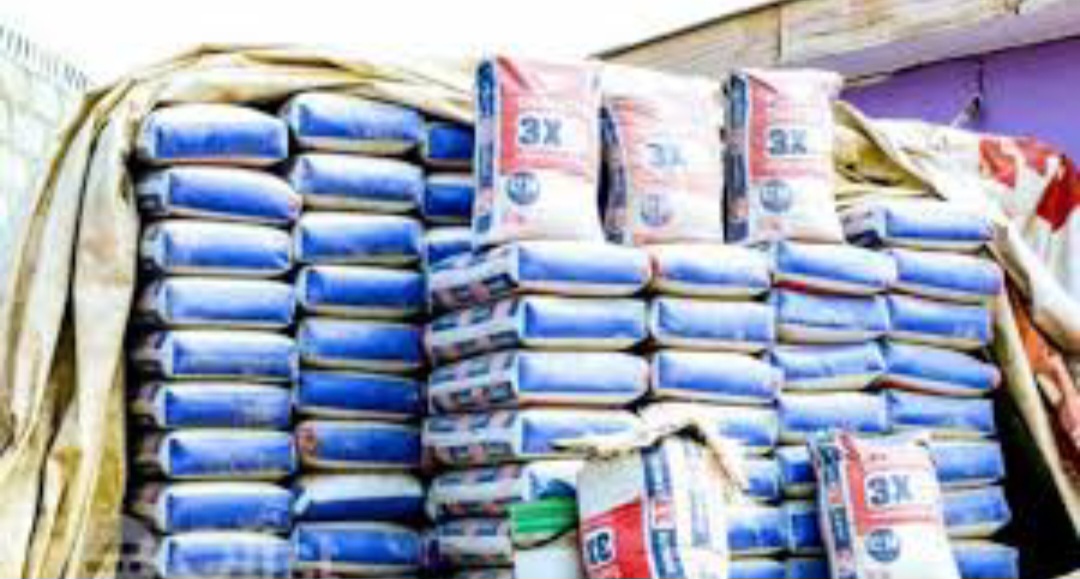
The chairman of Dangote Cement Plc, Emmanuel Ikazoboh, has explained why cement prices remain high across Nigeria, attributing the persistent increases to rising energy costs and the impact of foreign exchange on production expenses.
His comments come amid growing concerns from Nigerians over the soaring cost of building materials, with many calling on the government to intervene as cement prices continue to put pressure on construction projects and housing development.
Speaking during the 17th Annual General Meeting (AGM) of Dangote Cement Plc in Lagos, Ikazoboh said energy remains the biggest cost component in cement manufacturing, accounting for about 60 per cent of total production expenses.
Energy, dollar exchange rate driving costs According to Ikazoboh, cement manufacturers rely heavily on gas, coal, and diesel to power their operations. He noted that gas, one of the key energy sources, is sold in United States dollars, exposing manufacturers to exchange rate fluctuations. He explained that the continued depreciation of the naira against the US dollar has significantly increased production costs, making it difficult for manufacturers to maintain lower prices.
According to Ikazoboh, cement manufacturers rely heavily on gas, coal, and diesel to power their operations. He noted that gas, one of the key energy sources, is sold in United States dollars, exposing manufacturers to exchange rate fluctuations.
He explained that the continued depreciation of the naira against the US dollar has significantly increased production costs, making it difficult for manufacturers to maintain lower prices. “To produce a bag of cement, we need energy, which constitutes about 60 per cent of the production cost. To generate that energy, we use gas, coal or diesel,” he said.
“Gas is sold to us in US dollars, and its price continues to increase. We all know the impact of the exchange rate between the dollar and the naira. As a result, the cost of generating energy keeps rising.”
His remarks offer one of the clearest explanations yet from the country’s largest cement producer on the factors behind recent price increases.
Business
Dr. Deji Adeleke: How Davido’s Billionaire Father Built His Business Empire; Major Companies Linked to Him
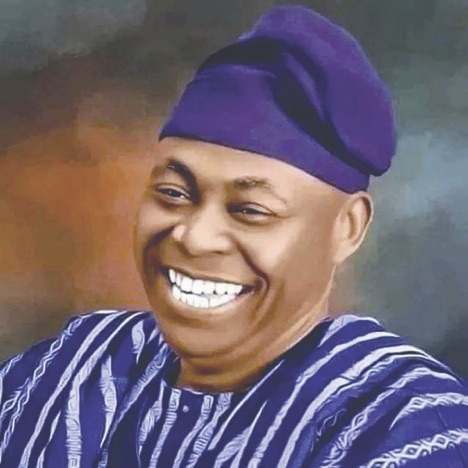
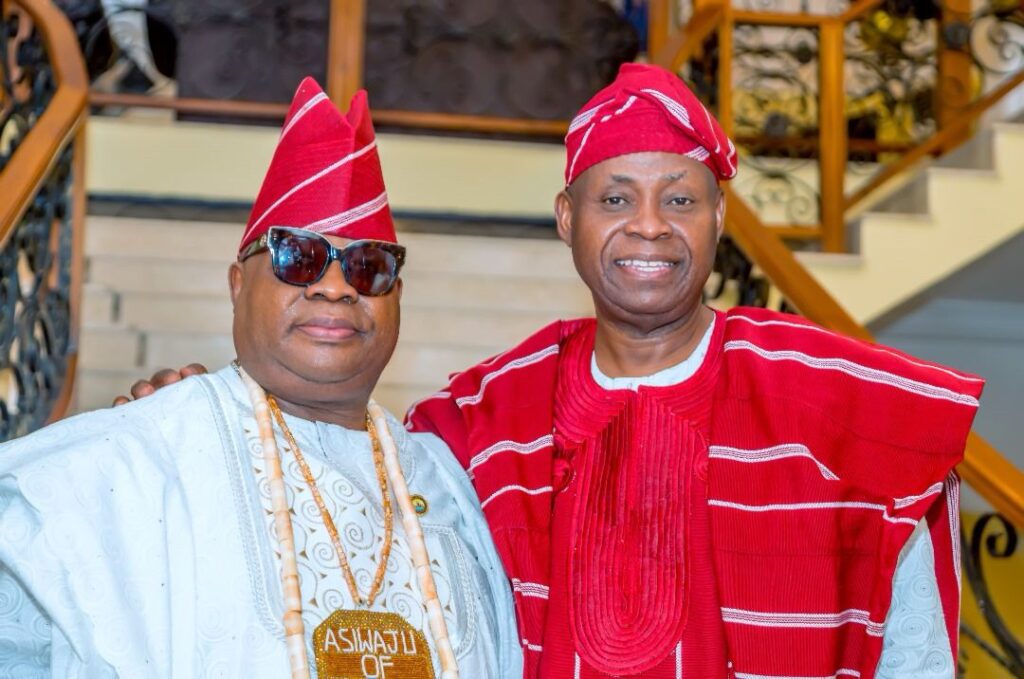
Dr. Deji Adeleke, the father of the globally recognized musician Davido, is not just known for his familial ties to the entertainment industry but also his immense wealth and substantial impact on Nigeria’s economic landscape. Born on March 6, 1957, in Enugu, Nigeria, Adedeji Adeleke has built a formidable empire through his business acumen and educational investments.
Adeleke’s Business Ventures
Dr. Adeleke founded Pacific Holdings Limited in 1983, which has grown into a major conglomerate in Nigeria, encompassing various sectors such as agriculture, energy, and real estate.
This company is a cornerstone of his financial success, with divisions like Pacific Farm Limited, Pacific Freightliners Limited, and Pacific Gas Company Limited contributing significantly to his wealth.
Adeleke’s Real Estate Investments
Adeleke’s real estate portfolio is vast and diversified. He owns properties across Nigeria, including high-value areas like Ikoyi, Lekki, Banana Island, and Victoria Island in Lagos. Additionally, he has invested in international properties, including a mansion in Atlanta, USA, which he acquired to celebrate his 60th birthday.
Adeleke’s University and Philanthropy
In line with his passion for education, Adeleke founded Adeleke University in Ede, Osun State, under the auspices of the Springtime Development Foundation, which he established in 1996. The university operates on the Seventh-day Adventist philosophy of education and offers various undergraduate and postgraduate programs.
His philanthropic efforts extend beyond education, impacting healthcare and community development. These initiatives not only enhance his public image but also contribute to long-term societal benefits, reinforcing his legacy as a socially responsible entrepreneur.

Adeleke’s Luxurious Lifestyle
Dr. Adeleke’s lifestyle reflects his financial success. He owns luxury cars such as a Rolls Royce Phantom and a 2017 Bentley Mulsanne, and he flies in style with his Bombardier Global Express 6000 private jet, valued at $62 million.
Adeleke’s Net Worth
Estimations of Adeleke’s net worth vary, with some sources placing it around $700 million, while others suggest it could be as high as $2 billion. His wealth is attributed to his diversified investments in real estate, stocks, and bonds, alongside the thriving operations of Pacific Holdings Limited.
Adeleke’s Family and Personal Life
Adeleke is a father to four children: Adewale, David (Davido), Sharon, and Coco Adeleke. Despite initial resistance to Davido’s music career, he eventually supported his son’s passion, even funding the establishment of a music department at Babcock University for him. Today, Davido is not only a successful musician but also a director in the family business.
Conclusion
Dr. Deji Adeleke’s story is one of remarkable success through strategic education, entrepreneurship, and philanthropy. His wealth and business acumen have positioned him as one of Nigeria’s most influential figures, contributing significantly to the nation’s economic and social development. As he continues to invest and expand his empire, his legacy is set to influence future generations both within and outside Nigeria.
Adeleke’s Early Life and Education
Adeleke’s journey began in an affluent family in Lagos. He attended Ansar-ud-Deen Primary School and Seventh-Day Adventist Grammar School before moving to the United States, where he earned a degree in Finance from Western Kentucky University in 1979, followed by an MBA. Furthering his education, he obtained a Ph.D. in International Business from Pacific Columbia University, and another Ph.D. in Business Administration from the University of Phoenix in 2010.
– kashgain


BREAKING: Minister of Defence Musa Told to Resign from Tinubu’s Cabinet; Reason Emerges

Turkey: Osimhen Climbs To Third On Galatasaray’s All-Time Foreign Scorers List

Ronaldo Scores 977th Career Goals, 130 For Al Nassr

Former Super Eagles Star Loses Life Savings, Duped By A Pastor of ₦1.2 Billion

I’m A Married Man, I Can Never Get Myself Involved With Such A Thing, Delta Gov Aide Reveals Why He Offered Comfort ₦500,000 Job

Lagos Imposes ₦250,000 Fine For Illegal Waste Disposal

-

 Entertainment2 days ago
‘Ayra Starr Has Definitely Changed My Life’ – Don Jazzy
-

 News2 days ago
BREAKING: APC Chairman Collapses, Dies
-

 Entertainment2 days ago
What I Do When A Child Calls Me By Name – Shaffy Bello
-

 Entertainment2 days ago
Wanting Marriage Is Not Desperation – Bella Opens Up On Breakup With Sheggz
-

 Entertainment2 days ago
I Have A Crush On Your Wife, Adesua Etomi – Isbae U Tells Banky W
-
 Sports2 days ago
Ronaldo Scores 977th Career Goals, 130 For Al Nassr
-
 News23 hours ago
BREAKING: Minister of Defence Musa Told to Resign from Tinubu’s Cabinet; Reason Emerges
-
 Sports2 days ago
Turkey: Osimhen Climbs To Third On Galatasaray’s All-Time Foreign Scorers List