
News
Oyo, UNICEF Advocate With South West Info Ministries


IBADAN: In a landmark effort to advance children-centred advocacy and effective communication for children’s right actualization, Oyo State Government in partnership with the United Nations Children’s Fund (UNICEF), convened an advocacy dialogue and capacity-building meeting with the Commissioners, Permanent Secretaries and top officials from the Ministries of Information across the Southwest states of Nigeria.
The event, themed “Scaling Results for Children Through Evidence-Based Social and Behavioural Change,” was held at Orchid Hotel, Ikota-Lekki, Lagos State. It brought together key stakeholders to explore strategic approaches to drive positive social change, promote children’s rights, and advance gender equity through effective communication practices and evidence-based policy alignment.
Representing the Commissioner for Information and Orientation, Oyo State, Prince Dotun Oyelade, the Permanent Secretary, Mr. Rotimi Babalola, in his keynote address, emphasized that success would be measured not just by policies or meetings, but by real outcomes, well-nourished children, access to clean water and protection from vaccine-preventable diseases.
According to Oyelade, “The wellbeing of women and children through three fundamental pillars of public health Nutrition, Water Sanitation and Hygiene (WASH), and Immunization—are interlinked and vital to the survival, growth, and development of our communities.”
He stressed the need for strategic communication, advocacy, and community engagement on social and behavioral change. “We must ensure our messages are clear, culturally relevant, and widely disseminated. We must amplify grassroots voices and empower programs that drive behavior change,” he said.
“As Commissioner for Information, I am reminded of the power and responsibility that communication holds in the success of any public health intervention. Our communities can only benefit from nutrition programs if they are aware of them. Clean water and sanitation will only be effective when people understand and adopt good hygiene practices. Immunization will only reach its full potential if families trust and accept it.”
Oyelade thanked UNICEF for its continued support through technical expertise and resources. He urged participants to be bold in ideas, open to collaboration, and relentless in their commitment to service. “Together, we can build a healthier, more resilient future for all,” he concluded.

In his remarks, UNICEF’s Chief of Social and Behaviour Change, Abuja, Kshitiy Joshi, emphasized the urgency of rethinking communication as a tool for transformation “The world is changing everyday,” he declared.
He highlighted the importance of data-driven, people-centered communication in shaping public attitudes and behaviors. “We must go beyond awareness to action—addressing deeply rooted norms, influencing behaviors, and ensuring that no child is left behind.”
Joshi further noted that sustainable development for children cannot be achieved without the active involvement of Ministries of Information, who play a critical role in shaping public discourse and influencing societal behavior at scale.
In his welcome address, the Permanent Secretary, Ministry of Information and Orientation, Oyo State, Mr. Rotimi Babalola, represented by Director of Press and Public Relations, Mrs. Bukola Bakare, reiterated the meeting’s goal to improve the wellbeing of women and children and ensure that every child survives, thrives, and grows up in a safe and nurturing environment.
“Essential family practices are simple yet powerful actions that families can take to improve children’s health, nutrition, and development,” he said. “From exclusive breastfeeding and handwashing with soap to proper home care for illnesses and timely immunizations, these practices, when consistently adopted, save lives and lay the foundation for a productive and healthy life.”
In their separate goodwill messages, the Commissioner for Information and Public Enlightenment, Osun State, Barrister Kolapo Alimi; Special Adviser to the Ogun State Governor on Media and Communication, Hon. Kayode Akinmade; Permanent Secretary, Ministry of Information, Ekiti State, Prince Olusesan Alabi; Permanent Secretary, Ministry of Information and Strategy, Lagos State, Mr. Olunde Sogunle; and Administrative Secretary, Ministry of Information and Orientation, Ondo State, Mr. Olanrewaju Akarakiri, commended UNICEF’s strategic role in promoting inclusive communication and policy engagement that prioritizes the welfare of children and women.
They described UNICEF as a trusted partner in progress, whose interventions have significantly impacted communities across the region. The representatives reaffirmed their states’ readiness to partner with UNICEF on future initiatives aimed at improving the lives of children and vulnerable populations in the Southwest.
Independent.ng


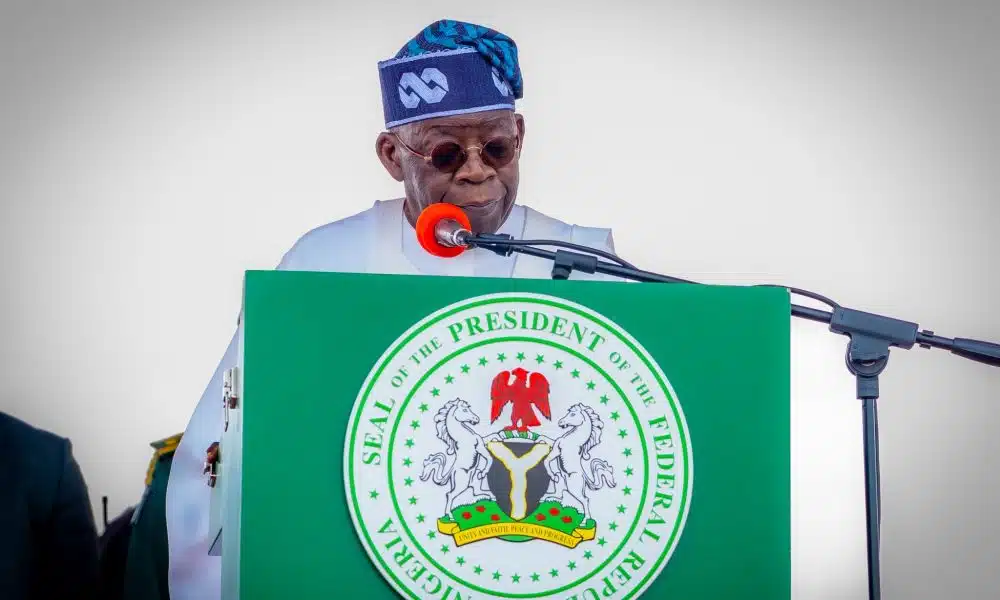
President Bola Tinubu has approved the appointment of the immediate past Director-General of the Department of State Services (DSS), Yusuf Bichi, as the Chairman of the Governing Board of the National Institute for Security Studies (NISS), Lower Usuma Dam, Abuja.
Bichi’s appointment was approved by President Tinubu based on the recommendation of the current Director-General of the DSS, Oluwatosin Adeola Ajayi.
Daily Voice reports that his appointment, according to a statement on Thursday by the Director of Coordination and Liaison of the NISS, Lilian Omo-Odigwe, is for an initial four-year term, effective 22nd October, 2026.
The statement noted that Bichi’s appointment is in accordance with Section 4 of the National Institute for Security Studies (Establishment) Act, 2019.
Bichi, who will succeed A.A. Gadzama, on the Governing Board, handed over leadership of the DSS to the incumbent Director-General in August 2024.
The former DG began his career in the Security Division of the Kano State Cabinet Office before his transfer of service in 1984.
“Bichi’s appointment to Chair the NISS Board brings an extensive experience in intelligence, security administration, operational leadership and institutional training to the governance of the National Institute,” the statement added.
Meanwhile, Nollywood actress Eniola Badmus has defended her continued support for President Bola Ahmed Tinubu, saying her political stance is the reason some people criticize her.
Naija News reports that the actress made this known during an interview with Nigerian comedian and content creator Isbae U on his podcast, Curiosity Made Me Ask.
Badmus explained that the criticism she receives is largely connected to her decision to support Tinubu, adding that she remains committed to the president despite the negative reactions from some Nigerians.
The actress maintained that she would continue to stand by her political choice, regardless of public opinion.
She also noted that democracy allows people to support political candidates and parties of their choice without being attacked for their decisions.
According to Badmus, she does not condemn people for supporting politicians different from the ones she believes in, stressing that everyone should be free to make their own political decisions.
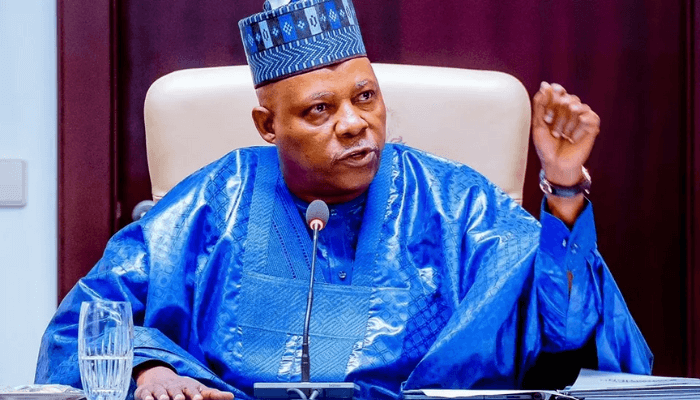
Vice President Kashim Shettima has urged state governments to stop relying solely on the Federal Government to solve Nigeria’s electricity problems and instead establish their own functional power markets to attract private investors.
He said Nigeria’s ambition to build a strong industrial economy would remain difficult to achieve without reliable electricity for businesses, homes, hospitals and schools.
Daily Voice reports that Shettima made the call on Wednesday while declaring open a national stakeholders’ workshop on the Electricity Act 2023 at the Presidential Villa in Abuja.
The Deputy Chief of Staff to the President, Senator Ibrahim Hassan Hadejia, represented the Vice President at the event.
The workshop brought together government agencies, electricity regulators, and other stakeholders to review the law’s implementation and discuss ways to improve power supply across the country.
Shettima said the Electricity Act 2023 had allowed states to regulate electricity markets within their jurisdictions and develop power solutions based on their resources and economic needs.
“Our states must shed the habit of waiting for Abuja to provide every answer,” he said.
He stressed that electricity supply should be treated as a shared responsibility between the Federal Government, state governments and private investors.
The Vice President pointed to the energy resources available in different parts of the country, saying states should take advantage of them to improve electricity supply and support economic growth.
He cited the solar energy potential of Sokoto, Borno and Katsina states, the gas resources in Delta, Rivers and Bayelsa, and the hydropower opportunities in Niger and Kebbi states.
According to him, turning these resources into viable electricity projects would help boost agriculture, manufacturing, healthcare and education.
However, Shettima warned that passing the law alone would not solve the country’s power problems, adding that states needed to establish the right institutions and create an environment that would attract investment.
He urged states that had yet to establish their electricity regulatory bodies to begin the process without further delay.
Shettima also proposed a voluntary National Electricity Reform Peer Review and Implementation Framework involving the Nigerian Electricity Regulatory Commission (NERC), the Federal Ministry of Power, the Nigeria Governors’ Forum and state electricity regulators.
He said the framework would allow states to learn from one another and assess their progress in developing electricity markets, attracting investments, protecting consumers and expanding access to power.
Earlier, the Permanent Secretary of the Ministry of Power, Mahmuda Mamman, said the success of the Electricity Act depended on states establishing credible regulatory institutions and electricity markets that could operate commercially.
On his part, the Director-General of the Nigeria Governors’ Forum, Dr Abdulateef Shittu, said the forum was working to improve cooperation between federal and state institutions on electricity reforms.
Shittu also disclosed that efforts were underway to develop a standard tariff framework that would protect electricity consumers while encouraging private investment in the sector.
Meanwhile, NERC’s Deputy General Manager and Head of Compliance, Hauwa Yakubu, disclosed that the commission had transferred regulatory responsibilities to 17 states.
She said Akwa Ibom was the latest state to receive the transfer, marking another step towards state-level electricity regulation under the Electricity Act 2023.


Obasanjo’s Son Picks Side In 2027 Race

NISS: President Tinubu Makes Fresh Appointment

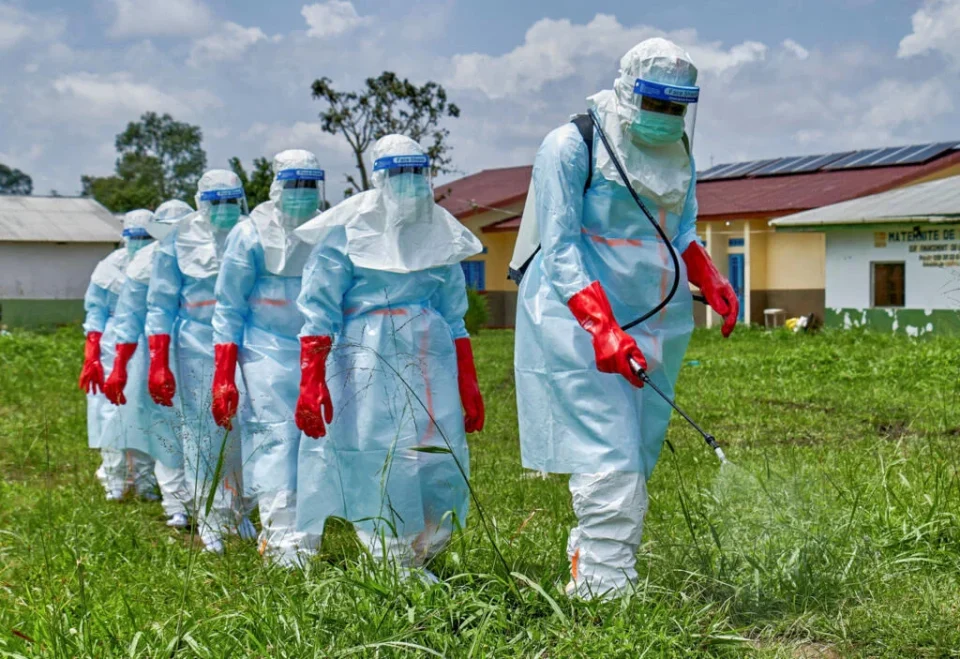
Ebola fears: FG, States On Alert As Infected Diplomat Suffers Organ Failure


-
 News1 day ago
Kano Assembly Suspends Lawmaker Over Alleged Insult To Governor
-
 News1 day ago
Stop Depending On FG For Electricity – Shettima Tells States
-
 Politics1 day ago
PDP Moves to Sanction Wike Over Alleged Support for APC
-
 News1 day ago
Ebola fears: FG, States On Alert As Infected Diplomat Suffers Organ Failure
-
 News13 hours ago
NISS: President Tinubu Makes Fresh Appointment
-
 Politics13 hours ago
Obasanjo’s Son Picks Side In 2027 Race