Leghemo said he would join resources with other party members to make the NDC politically formidable ahead of the 2027 elections.
News
Amaechi: I didn’t Buy Form To Be Atiku’s Running Mate

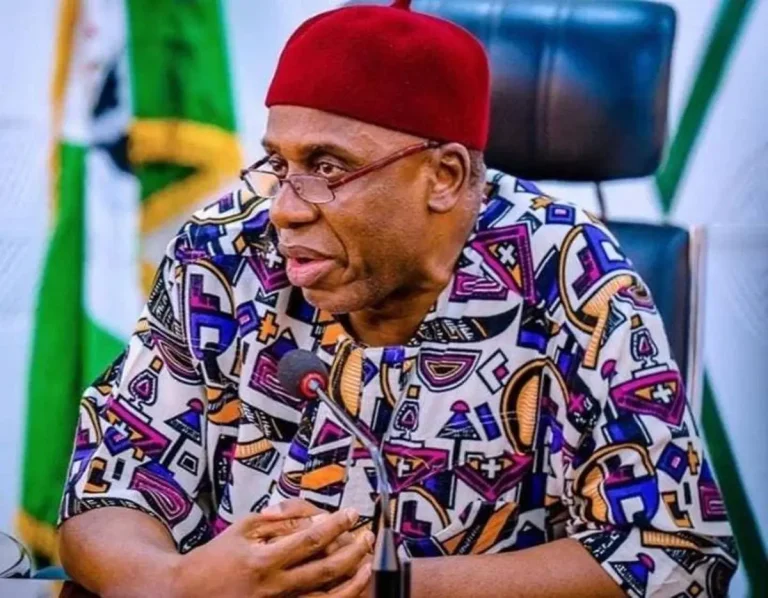
“I am in the presidential race for the ticket,” former Rivers State Governor Chibuike Rotimi Amaechi insisted yesterday.
According to him, suggestions that he should step down for former Vice President Atiku Abubakar are uncalled for.
Amaechi, Atiku and businessman Hayatudeen Muhammed picked up nomination forms for the presidential ticket of the African Democratic Congress (ADC).
The race narrowed to the three of them following the withdrawal of other hopefuls – Peter Obi and Rabiu Kwankwaso – from the party.
Amaechi, a former Speaker of the Rivers State House of Assembly and ex-Minister of Transportation, said in an interview: “There is nothing like consensus for now. The party leaders have not had any meeting on that. Everybody is preparing for the primary election.”
Amaechi also firmly ruled out accepting a vice-presidential slot under any arrangement within the opposition coalition.
“Please stop that. I did not buy a form to be Vice President,” he said.

Amaechi argued that Nigeria’s current economic and governance challenges require experienced but energetic leadership, noting that many leading political figures are already advanced in age.
According to him, his experience as Speaker of the Rivers State House of Assembly, Chairman of the Nigeria Governors’ Forum and Minister of Transportation has equipped him with the administrative capacity needed to govern the country.
On zoning and national inclusion, he argued that Nigeria’s political realities still make power rotation necessary, while stressing the need for every region to feel a sense of belonging within the federation.
“If they have to be in Nigeria, then they must have a sense of belonging,” he said while addressing grievances in the Southeast.
Atiku, who is contesting the ticket alongside him, has criticised the zoning of the presidency as unnecessary.
He said competence, rather than where a candidate comes from, should be paramount.
Amaechi also dismissed suggestions that the ADC had been weakened by the exit of some opposition figures, insisting the party remained a viable platform capable of challenging the APC in the next election cycle.
“If ADC was not strong, the government would not be focusing attention on it,” he said.
On governance, Amaechi accused the current administration of weakening institutions and eroding the independence of elected officials, particularly governors.
He said: “For the first time, I’m criticising governors. In our time, governors had independence. Now, they are all scared.”
He alleged that federal institutions were being used to frustrate opposition politicians and parties ahead of the 2027 elections.
“The president wakes up in the morning and he’s worried about ADC. He’s fighting ADC, arresting ADC members,” Amaechi alleged.
The former minister, however, said he still held President Bola Ahmed Tinubu in high regard despite his disagreements with the direction of governance under the current administration.
“I have high regard for President Tinubu, but I do not agree with the way the country is being governed,” he stated.
Amaechi maintained that he had no regrets over his role in the formation of the APC in 2013, insisting that the party at the time emerged in response to prevailing governance concerns.
He, however, expressed confidence that disagreements within the opposition coalition would eventually be resolved once parties conclude their primary processes and candidates emerge ahead of the 2027 elections.
Obi appears before NDC panel
Obi yesterday appeared before the presidential screening panel of the Nigeria Democratic Congress (NDC) in Abuja ahead of the 2027 general election.
Obi, who is the sole aspirant for the party’s presidential ticket, arrived at the party’s national headquarters around 6:45 p.m. wearing his trademark black kaftan and cap.
Accompanied by Senator Victor Umeh (Anambra Central), Obi submitted his Expression of Interest and Nomination forms through an aide.
He arrived shortly after the chairman of the screening committee, Senator Sam Egwu.
Speculation about Obi being the sole aspirant intensified following the decision of the NDC to suspend the sale of presidential nomination forms after he collected his form and extended the deadline for the purchase of forms for other elective positions.
However, both the Obi camp and the leadership of the party have repeatedly denied the existence of any consensus arrangement.
The party constituted a 17-member screening committee headed by Sam Egwu, while Reuben Egwuaba will serve as secretary.
Other members of the panel are Comrade Babatunde Ali as deputy chairman, Buba Galadima, Mohammed Sani Takori, Daniel Onifade, Ikeddy Isiguzo, Wole Adedayo, Dr. Osusu Osusu, Chief Asukewe Ikoawaji, Prof. Udenta Udenta, Frederick Owotorufa, Hannatu Tanko, Dogo Shammar, Henry Obaze, Clement Agiagie and Fatima Musa Abba.
The party said the committee would oversee the screening of aspirants seeking to contest elective offices on the platform of the NDC, including the presidency, governorships and seats in the National Assembly.
Prepare for ‘political war’, NDC chairman warns
National Chairman of the NDC, Senator Moses Cleopas, predicted a “political war not meant for unprepared minds” as preparations for the general elections continue.
Cleopas spoke yesterday in Yenagoa while receiving defectors from the Bayelsa PDP, including former governorship aspirant Reuben Okoya, Diepreye Leghemo, and women mobiliser Esther Saiyo.
Describing the NDC as the Biblical Noah’s Ark for Nigerians seeking good governance, Cleopas predicted a political battle that is not meant for unprepared minds, adding that the party’s founder was a man who would not venture into unproductive political investments.
He charged the defectors to first believe in the ideology of the founder of the party, which is anchored on service to the people, before thinking about their political ambitions.
He said: “Don’t be afraid. Political power is not given but contested. Until they see the power element in you, they won’t give it to you. You must be ready and convinced in your mind that you can take over.
“Senator Seriake Dickson does not invest in a fight he won’t win. He has invested all his political capital in the NDC, and he cannot afford to fail.”
He described Reuben Okoya as decent, focused, intelligent, incorruptible and willing to serve, pointing out that the lifestyle of the former coordinator of the Abuja Metropolitan Management Council (AMMC) represents what the NDC stands for.
Okoya, a native of Yenagoa Local Government Area, said that after resigning from the PDP, he decided to pitch his political tent with the NDC after considering other parties, emphasising that the NDC shares the same political ideology as his, with service to the people as its focal point.
He said he had spent many years serving Bayelsa and Nigeria and would not tire of doing so as long as he lived.

The Nigeria Correctional Service, NCoS, Kwara State Command, has released the names and photos of the two death-row inmates who escaped from the Medium Security Custodial Centre, Oke-Kura, Ilorin.
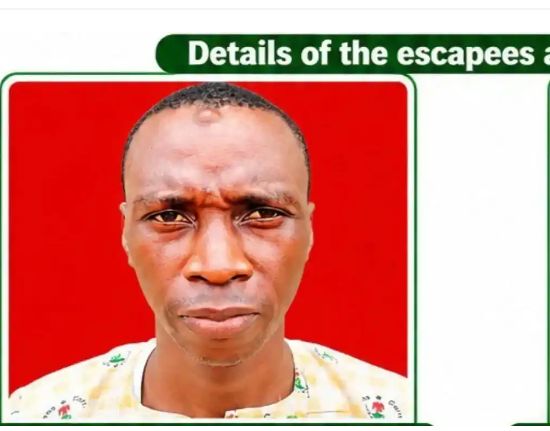
The two inmates escaped in the early hours of Wednesday, November 18, after breaking through and scaling the perimeter wall of the facility.
Their identities were disclosed in a statement issued on Friday by the Kwara State Command’s Public Relations Officer, Adegbulugbe Olumide.
According to NCoS, the first inmate is 41-year-old Segun Abraham Nasiru from Lokoja, Kogi State, while the second person is 38-year-old Oluwasegun Omoyajowo Ajiboye from Ilaro, Ekiti State.
The NCoS disclosed that Nasiru had earlier escaped from the Mandala Custodial Centre, been rearrested and transferred to Oke-Kura.
The Controller-General of the NCoS, Sylvester Ndidi Nwakuche, while reacting, blamed the incident on negligence.
“This is unfortunate and unacceptable. This is a facility that locks over 600 inmates, and about two inmates have found their way out, but I can assure you the dragnet has been spread and we will get them back,” he said.
According to him, any officer found culpable will be severely punished.
The NCoS appealed to members of the public to help with useful information that can lead to the recapture of the fugitives.
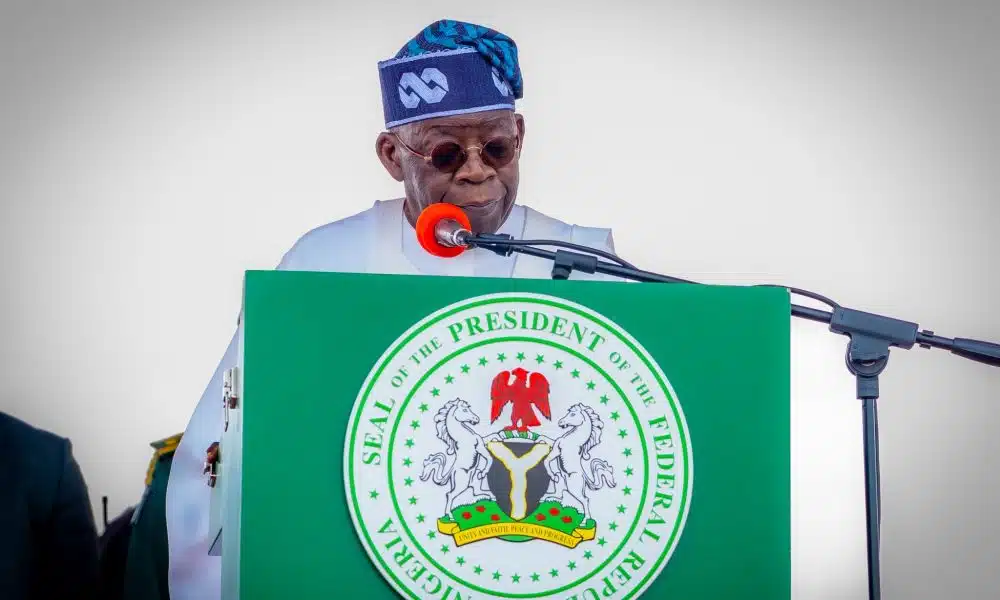
The Presidency said Dabiri’s appointment forms part of Tinubu’s efforts to ensure effective regional representation and inclusivity on the commission.
President Bola Tinubu has appointed Agboola Dabiri as the South-West Commissioner on the National Assembly Service Commission.
Naija News understands that Dabiri, until the recent appointment, was the Lagos State Commissioner for Youth and Social Development.Nigerian news subscription
He takes over from Taiwo Oluwa, who resigned from the commission on March 30, 2026, to run for the Irewole/Isokan Federal Constituency seat in Osun State.
The Special Adviser to the President on Information and Strategy, Bayo Onanuga, announced the appointment in a statement on Friday.
The statement said that, in addition to his work in the Lagos cabinet, Dabiri also worked in the Federal Capital Territory Administration.
It read, “Until his appointment, Dabiri served as Commissioner for Youth and Social Development in Lagos State. He also previously served as Mandate Secretary for Economic Planning, Revenue Generation and Public-Private Partnership in the Federal Capital Territory.”
The Presidency said the appointment was meant to give every region fair representation on the commission.
“The appointment is part of the President’s efforts to ensure effective representation and inclusivity in the National Assembly Service Commission,” the statement added.
Section 157 of the 1999 Constitution establishes the National Assembly Service Commission. The commission appoints, promotes and disciplines the staff of the National Assembly.

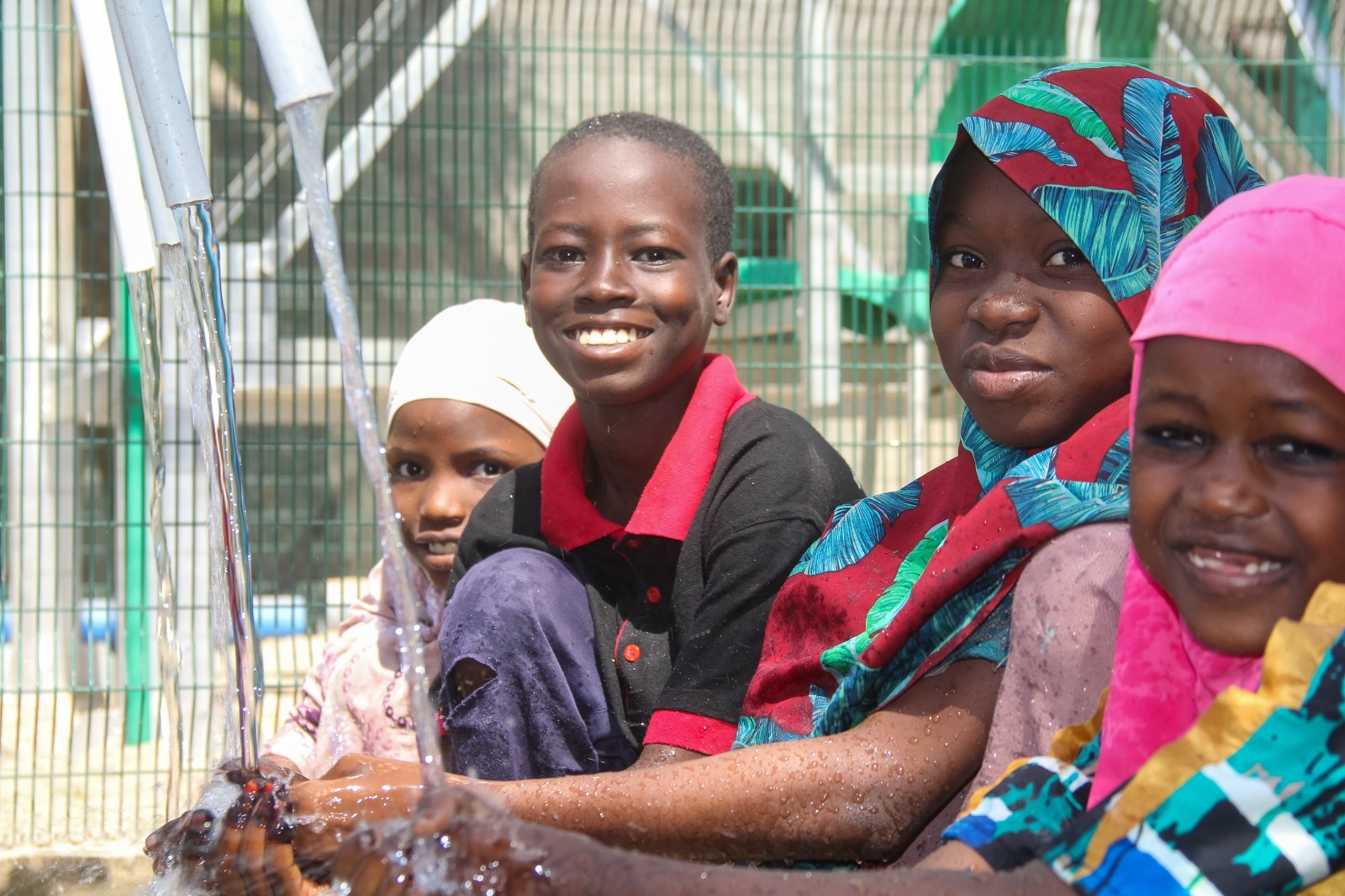
SOS Children’s Villages Nigeria calls on government, communities and development partners to put it into practice by treating children and young people as partners and co-creators of solutions to the issues they face. The call places particular focus on children who have lost parental care or are at risk of losing it.
“Children already have a voice. Our job is to create the conditions in which they can use that voice safely and be taken seriously,” said Eghosa Erhumwunse, National Director of SOS Children’s Villages Nigeria. “Children and young people often know best how to solve the problems they face. What they need is the opportunity and the space to thrive.”
A child should know their rights, know where to go for help and be able to influence decisions about their care, their education and their future. Listening must lead to action.
This principle guides the organisation’s programmes. Family strengthening helps parents and caregivers to care for their children and keep families together. Where children cannot live with their families, alternative care provides safe, family-based settings. Youth development prepares young people for independent adult life, and child rights advocacy strengthens community and state child protection systems. Together, these programmes give children the security they need to exercise their rights.
Violence remains part of daily life for many children in Nigeria. Nine in 10 children aged 1 to 14 experience violent discipline at home (NBS and UNICEF, MICS 2021), and more than 8 in 10 experience it in school (UNICEF, 2022).
Children and young people are already contributing to the response. Ahead of the Second Global Ministerial Conference on Ending Violence Against Children, held in Manila in November 2026, members of the Children and Youth Council in communities we work in set out their position in a policy brief. They believe children should not be seen only as victims in need of protection, but as agents of change who can identify risks, support their peers and help shape the policies that affect them. As one Council member put it: “We cannot build a safer world for children without listening to children.”
Meaningful participation requires age-appropriate information, trusted adults and safe ways to report concerns. Children should be able to express their views in ways that suit their age, ability and circumstances, and be told how those views were used. Children with disabilities, displaced children and children in alternative care need particular attention. Participation must also protect children’s privacy: no child should be pressured to recount a traumatic experience, appear in the media or share personal information to be heard. Supporting children to speak up must never shift the responsibility for their protection onto them.
SOS Children’s Villages Nigeria will continue to strengthen families and communities while creating spaces where children and young people can drive real change.
On World Children’s Day, SOS Children’s Villages Nigeria and its Children and Youth Council call for the following actions:
Government and public institutions: Resource child protection, family support and alternative care services, and strengthen implementation of the Child’s Rights Act 2003, the National Plan of Action to End Violence Against Children (2023 to 2027) and the National Alternative Care Guidelines. Ensure that children who cannot live with their families receive safe, family-based care. Establish confidential, child-friendly reporting mechanisms in schools and communities, and involve children as equal partners in designing and monitoring child protection policies, with clear feedback on how their views were used
Schools, families and communities: Create safe environments in which children can speak up without fear of blame or punishment. Promote positive discipline in place of corporal punishment, challenge harmful practices such as child marriage, teach digital safety alongside children’s rights, and ensure that every report leads to timely support.
Businesses, donors, civil society and the media: Invest in family strengthening, child protection and youth-led initiatives, including peer support and peer mediation in schools. Support children’s own advocacy priorities and protect their dignity and privacy in all communications.
“The test of our commitment is what happens after a child speaks,” Erhumwunse added. “When a concern is raised, it must be addressed. When a right is violated, it must be remedied. Every child should grow up knowing that their voice matters and that adults will act to protect it.”


News15 hours ago
Govt Release Identities Of Death Rows Inmates Who Escaped From Nigerian Prison

News19 hours ago
Just In: Tinubu Announces Top New Appointment

News1 day ago