
Business
FCMB Joins REA To Boost Electricity Access For 2M

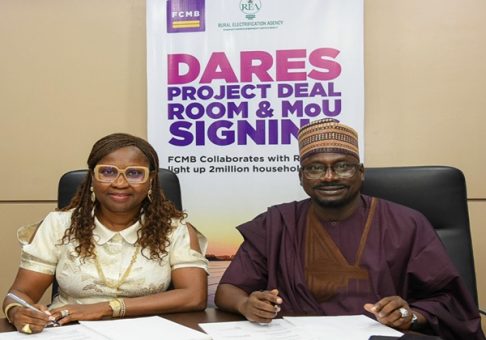
In a landmark move to bolster electricity access for millions of Nigerians, the Rural Electrification Agency (REA) and First City Monument Bank (FCMB) have on Thursday 19th June, 2025, at the bank’s head-quarters in Marina, Lagos, entered into a strategic collaboration to provide a ₦100 billion loan facility targeted at accelerating private sector-led deployment of renewable energy solutions across the country.
The agreement supports the implementation of the Distributed Access through Renewable Energy Scale-Up (DARES) initiative. It will enable the deployment of decentralised renewable energy projects aimed at delivering reliable power to approximately 2,000,000 households in unserved and underserved areas across the country.
The signing of these agreements between REA and FCMB signifies the commencement of private sector investment in the Rural Electrification Agency’s renewable energy space, which was catalysed by the $750 million DARES World Bank funding.
The approval of DARES funding by President Bola Ahmed Tinubu, its commencement, and the guidance of the Federal Ministry of Power will undoubtedly lead to increased private sector funding, accelerating the intended impact of supplying electricity to 17.5 million Nigerians in unserved and underserved communities.

Under this partnership, FCMB will provide a revolving loan facility of ₦1 billion per eligible mini-grid developer for a period of two years, with potential for scale-up. The facility will serve as a critical financial instrument for developers engaged under REA’s DARES programme, which is an initiative designed to expand inclusive energy access and stimulate economic growth through the deployment of interconnected and isolated mini-grids, as well as productive-use applications.
Speaking at the event, Abba Abubakar Aliyu, Managing Director and CEO of REA, emphasised the strategic importance of the collaboration. He stated, “This partnership signifies a significant milestone in addressing one of the biggest challenges in decentralised renewable energy deployment—access to finance. Through this facility, developers will have better access to funding that will enable them to scale and meet electrification targets, thus improving the quality of life in rural and peri-urban communities.”
Yemisi Edun, Managing Director and CEO of FCMB, stated,” Our partnership with the Rural Electrification Agency represents a pivotal step in our commitment to powering inclusive growth and economic resilience across Nigeria. Access to reliable energy is a catalyst for enterprise, education, and improved livelihoods, making it a critical development goal. Through this collaboration, we are combining financial innovation with infrastructure delivery to ensure underserved communities are not left behind. Together, we are building pathways for people to thrive by unlocking the power of energy to transform homes, businesses, and entire communities.”
A key highlight of the launch was the introduction of a “Deal Room”. This is a dedicated platform for project developers to engage with REA and FCMB on project financing, structure, and disbursement processes. This will enable developers to better understand the eligibility criteria and project evaluation mechanisms.

The partnership structure provides that FCMB will finance up to 70% of approved project costs, while REA will domicile performance-based grant payments into a reserve account within FCMB to further de-risk the transactions.
Through this collaborative approach, REA and FCMB reaffirm their commitment to bridging Nigeria’s energy access gap, promoting private sector participation, and unlocking investment opportunities within the renewable energy sector.
Thenationonlineng.net
Business
Top 10 Richest Yoruba Billionaires: South West Wealthiest Entrepreneurs, Key Factors Behind Their Wealth

The Yoruba ethnic group, predominantly located in Nigeria’s southwestern region, has long been home to some of the wealthiest and most influential entrepreneurs in Africa.
Over the years, these Yoruba billionaires have made significant impacts across various sectors, including oil and gas, banking, telecommunications, real estate, and entertainment. Their business acumen and achievements have not only helped shape Nigeria’s economy but have also garnered international recognition.
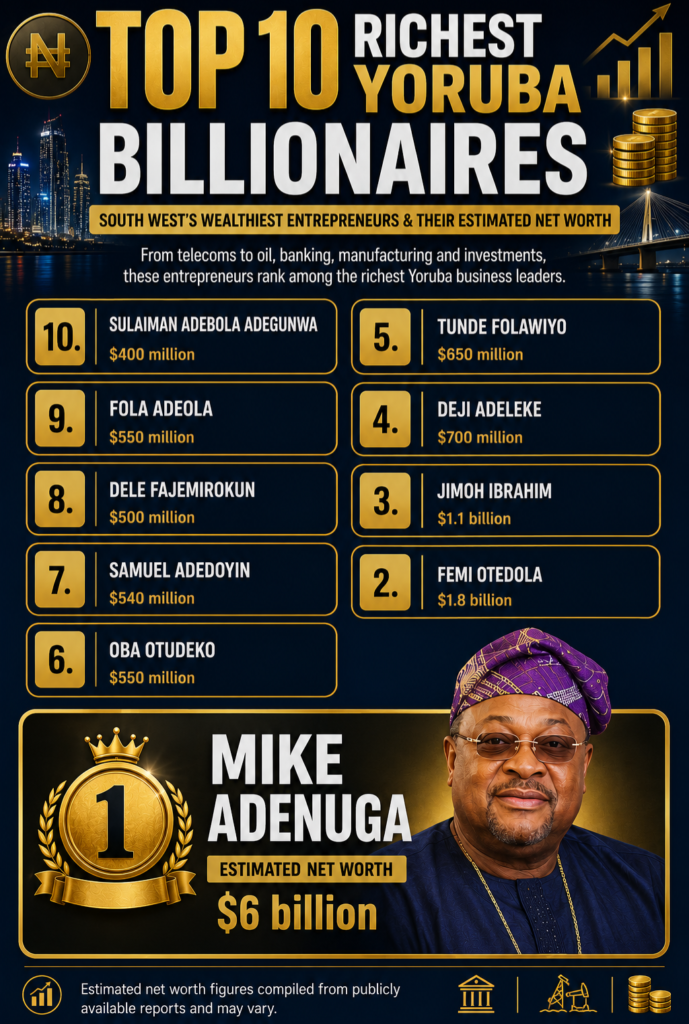
Here’s a look at the top 10 richest Yoruba billionaires and the key factors behind their wealth:
10. Sulaiman Adebola Adegunwa
Sulaiman Adegunwa is a billionaire philanthropist and businessman from Ogun State. He is the founder of Rite Foods Limited, a company best known for producing popular food and beverage brands in Nigeria. His investments also extend to education, as he founded the Sulaimon College of Education in Ogun State.
9. Fola Adeola
Fola Adeola is best known as the founder of Guaranty Trust Bank (GTBank), one of Nigeria’s largest and most respected financial institutions. He is also involved in several other ventures, including heading MainOne, a telecom company, and running the FATE Foundation, which supports entrepreneurship in Nigeria. His net worth is around $550 million.
8. Dele Fajemirokun
Dele Fajemirokun is one of the most respected Yoruba business figures, with investments spanning insurance, oil, and telecommunications. He is the chairman of AIICO Insurance and a key investor in Food Concepts, the parent company of Chicken Republic. His business acumen has earned him a net worth of $500 million.
7. Samuel Adedoyin
Samuel Adedoyin is a self-made billionaire who overcame humble beginnings to become one of the wealthiest Yoruba men in Nigeria. He is the founder of the Doyin Group, a conglomerate involved in manufacturing, agriculture, and real estate. Adedoyin’s journey from small business ventures to becoming a billionaire is truly inspirational, and his net worth is estimated at $540 million.
6. Oba Otudeko
Oba Otudeko, a respected business magnate and philanthropist, is the founder of Honeywell Group, a diversified industrial conglomerate with interests in food processing, oil and gas, and real estate. He also played a pivotal role in the Nigerian banking industry, previously serving as the chairman of First Bank of Nigeria. Otudeko’s net worth is around $550 million.
5. Tunde Folawiyo
As the managing director of Yinka Folawiyo Group, a conglomerate with interests in energy, agriculture, and real estate, Tunde Folawiyo carries on the legacy of his family’s business empire. His ventures in shipping and energy are particularly notable, and he also serves on the board of MTN Nigeria. His estimated net worth is around $650 million.
4. Deji Adeleke
Dr. Deji Adeleke is a prominent businessman and philanthropist, best known as the father of the famous Nigerian musician Davido. He is the founder of Pacific Holdings Limited, a company with interests in oil and gas, real estate, and logistics. Adeleke is also an investor in education, having established Adeleke University in Osun State. His net worth is estimated at over $700 million.
3. Jimoh Ibrahim
Jimoh Ibrahim is another leading Yoruba entrepreneur who has built his fortune through diversified business ventures. He is the CEO of Global Fleet Group, a conglomerate with interests in oil and gas, insurance, real estate, aviation, and publishing. A lawyer by training, Jimoh Ibrahim’s net worth stands at around $1.1 billion, largely due to his ability to navigate various industries successfully.
2. Femi Otedola
Femi Otedola is one of Nigeria’s most recognized billionaires, primarily due to his involvement in the oil and gas industry. He is the former chairman of Forte Oil, a major petroleum marketing company in Nigeria, and his business ventures have expanded into power generation, finance, and real estate. Otedola’s investments in key sectors like shipping and energy make him a major player in Nigeria’s economy. As of 2024, his net worth is estimated at $1.8 billion.
1. Mike Adenuga
While Mike Adenuga is a Yoruba billionaire, his reach extends beyond Nigeria to the rest of Africa. He is the founder of Globacom, one of Nigeria’s largest telecommunications companies, and he also has interests in oil exploration through his company Conoil. Adenuga’s strategic positioning in telecoms and oil has made him the second-richest man in Nigeria, with a net worth of over $6 billion.
SEE THEIR NET WORTH
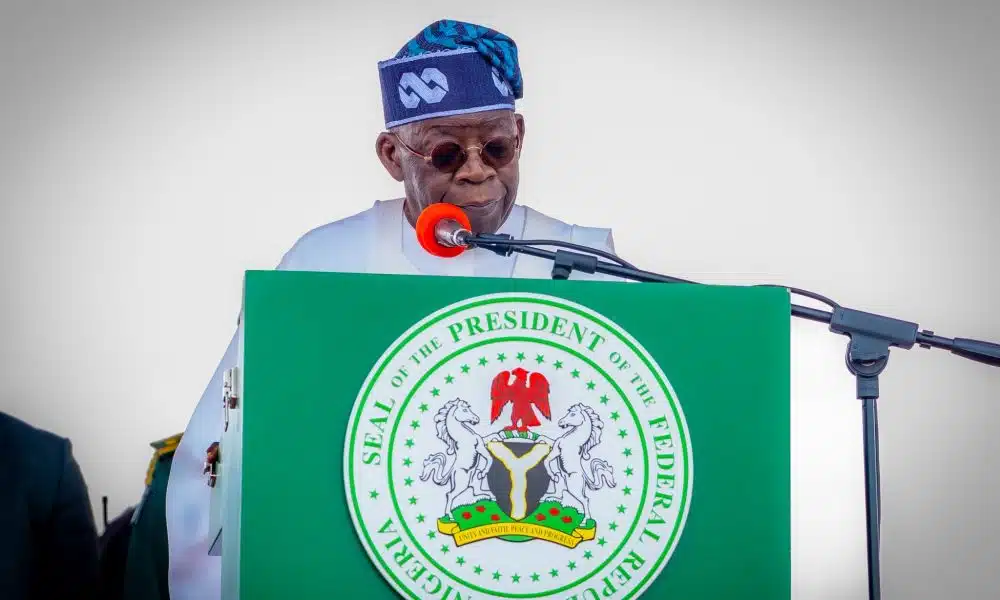
The Federal Government has launched the online registration portal for Phase III of the Renewed Hope Employment Initiative (RHEI), with plans to train 26,961 unemployed Nigerians in 70 high-demand skills as part of efforts to tackle unemployment and boost entrepreneurship nationwide.
The programme, which will run across the 36 states and the Federal Capital Territory (FCT), is expected to commence in August 2026 after the registration process is completed.
Speaking during the launch, the Minister of Labour and Employment, Dr Mohammed Dingyadi, said the initiative is designed to equip unemployed Nigerians with practical, market-driven skills that can lead to employment or self-reliance.
He explained that the government would adopt a ward-to-ward selection process to ensure that beneficiaries are drawn from communities across the country, promoting fairness and wider participation.
According to the minister, the programme aligns with the Federal Government’s broader agenda to reduce unemployment by expanding access to vocational training and enterprise development.
As part of the initiative, the government also announced plans to resettle 3,405 outstanding graduate trainees with starter packs and work tools after completing their training.
The support package is intended to help beneficiaries establish businesses or begin careers in their chosen trades, strengthening the government’s push for sustainable job creation.
Dingyadi acknowledged complaints from beneficiaries of the earlier phases regarding unpaid stipends and delayed resettlement support.
He attributed the setbacks to funding constraints and assured participants that the ministry was working with relevant authorities to secure the release of funds needed to settle all outstanding obligations.
“I wish to assure all affected beneficiaries that this Ministry is fully aware of the matter and is working with the relevant authorities to ensure the release of the necessary funds so that all outstanding obligations can be met without further delay,” he said.
Director-General of the National Directorate of Employment (NDE), Silas Agara, said the upgraded registration portal includes new security and verification features to improve transparency and efficiency.
Applicants will be required to verify their identities using their National Identification Number (NIN), while the system will automatically prevent multiple registrations and assign applicants to training centres closest to their locations.
Agara added that persons living with disabilities would be identified during registration and matched with skills programmes suited to their needs.

The UK Home Office has set out detailed requirements that foreign nationals, including Nigerians, must satisfy before they can qualify for a Skilled Worker visa.
The requirements, published on the UK government’s official website, apply to overseas professionals seeking to work in eligible jobs with approved employers across the United Kingdom.
According to the Home Office, applicants must meet employment, salary, language and documentation requirements before a visa can be granted. Additional evidence may also be requested depending on an applicant’s circumstances.
1. Have a job offer from an approved employer: Applicants must first secure a job offer from a UK employer licensed by the Home Office to sponsor foreign workers.
The employer must issue a Certificate of Sponsorship (CoS), which contains details of the job being offered.
2. Work in an eligible occupation: The job must appear on the UK’s list of eligible occupations for the Skilled Worker visa. Applicants must know the correct occupation code assigned to their role before applying.
3. Meet the minimum salary requirement: Most applicants must earn at least £41,700 per year or the “going rate” for their occupation, whichever is higher.
Most applicants must earn at least £41,700 per year or the “going rate” for their occupation, whichever is higher. Lower salary thresholds may apply for some healthcare workers, graduates, younger applicants and certain PhD holders.
4. Prove English language ability: Applicants must show they can speak, read, write and understand English. This can be done through approved English language tests or recognised educational qualifications taught in English.
5. Hold a valid passport: Applicants must provide a valid passport or another accepted document proving their identity and nationality as part of the visa application.
6. Show proof of financial support: Most applicants must demonstrate they have at least £1,270 available to support themselves after arriving in the UK unless their employer confirms it will cover those costs.
7. Pay visa fees and healthcare surcharge: Applicants must pay the visa application fee, the Immigration Health Surcharge for each year of their stay, and meet any other required charges before their application can be processed.
Partners and children of Skilled Worker visa holders may apply as dependants. Supporting a partner requires showing at least £285 in available funds, £315 for one child, and £200 for each additional child
8. Submit supporting documents: Applicants must provide supporting documents, including their Certificate of Sponsorship reference number, salary details, occupation code and employer information. Depending on individual circumstances, additional documents may also be required.
9. Provide extra certificates where required: Some applicants may need to submit additional documents such as tuberculosis (TB) test results, criminal record certificates, Academic Technology Approval Scheme (ATAS) certificates or proof of overseas qualifications.
10. Apply within the required timeframe: Applicants must submit their Skilled Worker visa application within three months of receiving their Certificate of Sponsorship from their employer.
The Home Office also advises applicants to complete identity verification and provide all required documents before a decision can be made.
Additional documents may be requested
The UK government stressed that meeting the eligibility requirements does not automatically guarantee visa approval. Immigration officials may request further documents or information to verify an applicant’s eligibility before making a final decision.
For Nigerians and other foreign professionals hoping to work in the UK, understanding these 10 requirements can help them prepare a stronger Skilled Worker visa application.
Full breakdown of the rules can be downloaded here.


High Chief Joseph Onah Wins 2026 National Diaspora Merit Award at Presidential Villa

FULL LIST: APC Uploads 27 Governorship Candidates to INEC Portal, One State Missing

BREAKING: Tinubu Gives New Top Appointment

Former Super Eagles Star Loses Life Savings, Duped By A Pastor of ₦1.2 Billion

I’m A Married Man, I Can Never Get Myself Involved With Such A Thing, Delta Gov Aide Reveals Why He Offered Comfort ₦500,000 Job

Lagos Imposes ₦250,000 Fine For Illegal Waste Disposal

-

 Politics2 days ago
2027 Election: Tinubu’s Ex-Minister Adelabu Speaks On Dumping APC
-
 Business1 day ago
FG Unveils Employment Portal, Targets 26,961 Nigerians for New Jobs
-

 Business23 hours ago
Top 10 Richest Yoruba Billionaires: South West Wealthiest Entrepreneurs, Key Factors Behind Their Wealth
-

 Business2 days ago
UK Lists 10 Requirements Nigerians Need To Secure Work Visa
-

 News2 days ago
SHOCKER! Sheikh Gumi Mentions Two Top Nigerian Leaders Who Visited Militants
-
 Politics17 hours ago
2027: ADC Gov Candidate Announces Top Ex-Lawmaker as Running Mate
-
 Politics17 hours ago
REVEALED: Why Makinde Dropped Speaker Ogundoyin and Picked Bimbo Adekanmbi as Successor
-
 News16 hours ago
BREAKING: Tinubu Gives New Top Appointment