
Business
NCFRMI Reiterates Commitment to Effective Implementation of Global Compact for Migration


National Commission for Refugees, Migrants and Internally Displaced Persons (NCFRMI), has reiterates its commitment to effective implementation of the Global Compact for Migration.
The Honourable Federal Commissioner, NCFRMI, Hon. Dr. Tijani Aliyu Ahmed disclosed this in his opening remark at the just concluded Voluntary National Review (VNR) on the implementation of the Global Compact for Safe, Orderly and Regular Migration (GCM) ahead of the 2026 International Migration Review Forum (IMRF).
The event which was held between February 17 and 21 at the Lagos Continental Hotel, Victoria Island Lagos, had the International Organisation for Migration, other international partners, members of the civil society, federal and state government agencies among others in attendance.
Speaking, Dr Tijani extended appreciation to the Federal Government, the United Nations Network on Migration for the sustained technical guidance, institutional support and capacity building provided to Nigeria in the implementation of the Compact.
“I equally acknowledge the invaluable support of the Resident Coordinator’s Office for strengthening system-wide coherence and coordination across the United Nations Country Team and partners in Nigeria.”
He recalled that Nigeria adopted the Global Compact for Migration following its endorsement by the United Nations General Assembly in December 2018, and “since then we have demonstrated sustained political will and institutional commitment to its implementation. As a Champion Country, Nigeria has taken deliberate steps to domesticate the principles and objectives of the GCM within our national migration governance framework.
“The recently validated revised National Migration Policy and its integrated Implementation Plan, which doubles as Nigeria’s National GCM Implementation Plan, stand as clear evidence of this alignment between global commitments and national action.”

He added that in preparation for the first IMRF in 2022, Nigeria conducted its inaugural Voluntary National Review in Lagos through a whole-of-government and whole-of-society approach. “The process strengthened coordination among stakeholders and informed Nigeria’s national report, pledge and interventions at IMRF 2022. Building on that foundation, Nigeria convened a second Voluntary National Review in August 2024 in Abuja, structured around Technical Working Groups covering Labour Migration, Migration Data, Border Management, Return, Readmission and Reintegration, and Diaspora Engagement. The outcomes informed Nigeria’s engagement at the regional review and reinforced sustained national monitoring.”
This 2026 Review according to him is required to track progress since the 2024 regional review, assess implementation across the twenty-three objectives of the Compact, and consolidate national priorities, challenges and areas for improvement ahead of IMRF 2026. “Over the next three days, discussions will follow the GCM review template and align with the thematic areas of the IMRF roundtables. Breakout sessions chaired by members of the United Nations Network on Migration and supported by national thematic leads will evaluate progress, identify lessons learned and generate structured talking points to guide Nigeria’s participation at IMRF 2026.
“This consultation also provides an opportunity to stock take Nigeria’s pledges made at IMRF 2022, highlighting achievements, gaps and opportunities for renewed commitment. Furthermore, building on the evidence of impact from Nigeria’s side event at IMRF 2022, preparations are underway for a side event at IMRF 2026 to showcase practical achievements, lessons learned and pathways for strengthening regular migration channels.
“At this juncture, I would like to reiterate the unwavering commitment of the National Commission for Refugees, Migrants and Internally Displaced Persons, to the effective implementation of the Global Compact for Migration and to sustaining the whole-of-government and whole-of-society approach that underpins this national process.
“We remain deeply appreciative of the consistent support of the International Organization for Migration and other members of the United Nations Network on Migration in strengthening Nigeria’s migration governance efforts. As we prepare for IMRF 2026, we look forward to sustained technical collaboration and partnership to facilitate Nigeria’s effective engagement at the Review Forum and the successful delivery of our proposed side event. Continued cooperation will be critical in transforming commitments into tangible, evidence-based results.”

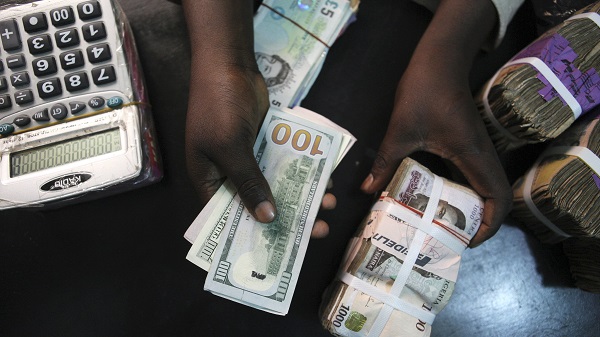
The Nigerian currency, Naira (₦), continued its battle against the United States dollar at the official foreign exchange market on Saturday.
Daily Voice reports that data from the Central Bank of Nigeria (CBN) showed that the local currency sold at ₦1,321.2160/1$ on Sunday.
The latest rate is the same as Saturday’s rate of ₦1,321.2160/1$.
At the parallel market (black market), however, the naira closed on Sunday at ₦1,400 to the dollar.
The offers by commercial banks, Bureau de Change (BDC) operators, and other foreign exchange dealers may, however, differ from the reference rates due to transaction margins and prevailing demand and supply conditions.
Market participants will continue to monitor foreign exchange inflows, demand for dollars, and CBN policies for indications of whether the naira can sustain its gains through the month.
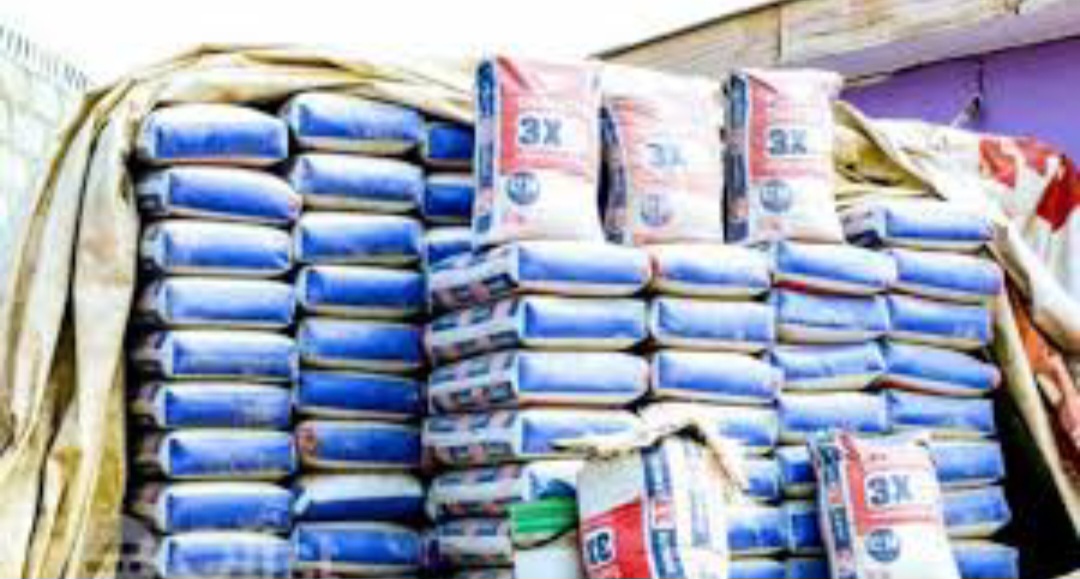
Cement prices in Nigeria remain elevated, with a 50kg bag selling for between ₦12,000 and ₦15,000 in many markets, putting further pressure on builders, contractors and Nigerians planning construction projects.
The latest market data shows that although some brands are currently available below the ₦15,000 mark, the industry remains significantly more expensive than it was at the end of 2025 and early 2026.
Recent market quotations show the following indicative prices for a 50kg bag:
Note: prices may vary by location and transportation costs.
These figures are based on a September 1 market report and can vary depending on location, transportation costs, dealer margins and supply conditions.
However, July industry data painted a more expensive picture. CementNet reported retail prices of ₦12,000 to ₦15,000, with Dangote selling for about ₦13,000–₦15,000, BUA at ₦12,000–₦14,500, and HBM Nigeria, formerly Lafarge Africa, at ₦12,000–₦13,500.
The latest figures suggest that cement prices may have eased from the highest quotations seen earlier in the year, but the broader trend remains upward.
In July, The Guardian reported that a 50kg bag typically sold for ₦12,500–₦15,000 across major markets including Lagos, Abuja and Abia.
The Federal Competition and Consumer Protection Commission (FCCPC) also reported that prices had reached between ₦13,000 and ₦15,000 in some locations during the first half of 2026.
This means the current ₦12,000–₦14,000 quotations for several major brands should be viewed as some market-level moderation rather than a broad collapse in cement prices.
Why cement remains high
High energy and transportation costs continue to weigh heavily on the industry. Cement manufacturing requires significant amounts of energy, while moving cement from factories and depots to retail markets adds further costs.
Location is also playing an important role. Buyers in areas farther from production centres can pay substantially more because of haulage and distribution expenses.
The situation is particularly significant because Nigeria has substantial cement production capacity, yet retail prices remain high. The Guardian reported that domestic production exceeds consumption, with surplus output exported to neighbouring countries.

Nigerian civil servants on Grade Level 8 now earn between N1,479,276 and N1,914,514 annually, depending on their step within the scale, following the new minimum wage signed under President Bola Tinubu’s administration.
The figures fall under the Consolidated Public Service Salary Structure (CONPSS), the framework that governs pay across Nigeria’s federal civil service.
CONPSS covers 17 grade levels in total, and a worker’s position within each level is shaped by their qualifications, length of service, and performance record.
Grade Level 8 has 14 steps, with each step representing a progression in earnings. Below is the full breakdown:
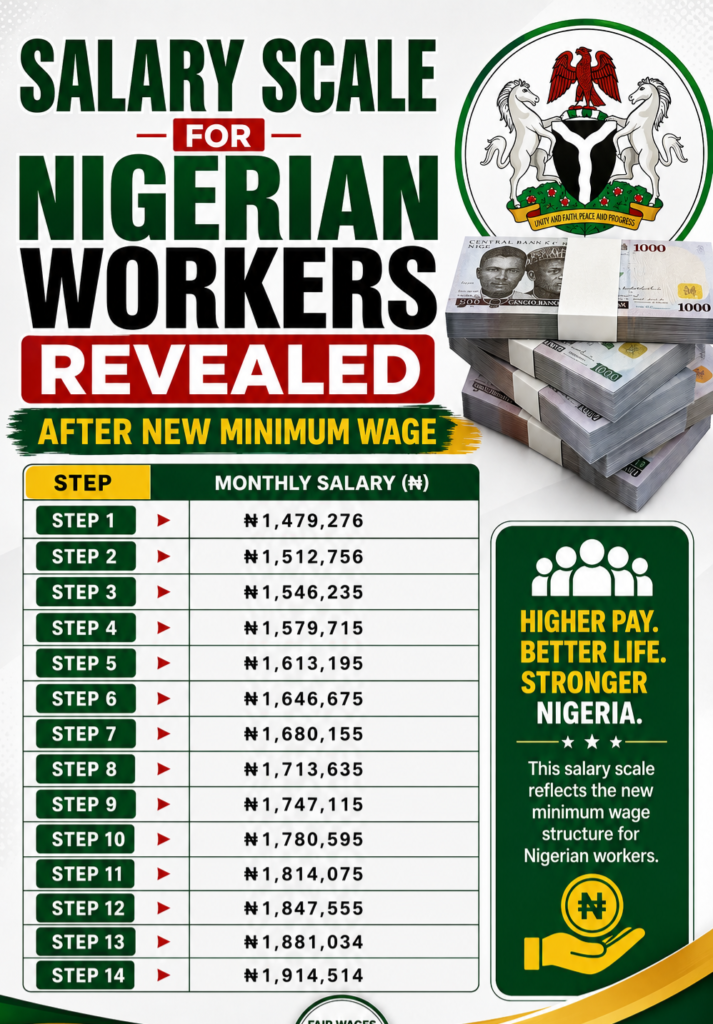
The gap between the lowest and highest steps at this level amounts to N435,238, reflecting how significantly length of service can affect take-home pay within a single grade.
Interest in the salary structure has grown since Tinubu’s government approved a new national minimum wage, which triggered a review of earnings across the public sector. Civil servants and job seekers have been keenly examining each grade level to understand what the adjusted structure means in practical terms.
Workers at Grade Level 8 are typically mid-level employees with some years of experience in the civil service. Their earnings sit above the entry-level grades but below the senior cadre, making this level a reference point for many who are planning career progression within the federal workforce.


Banker Shot dead As Kidnappers Strike FUTO

SO SAD: Nigerian Bishop Shot Dead In Shocking Attack

New Files Allege Sudan Military Built Chlorine Weapons Program

Former Super Eagles Star Loses Life Savings, Duped By A Pastor of ₦1.2 Billion

I’m A Married Man, I Can Never Get Myself Involved With Such A Thing, Delta Gov Aide Reveals Why He Offered Comfort ₦500,000 Job