
Business
BREAKING: Crude Oil Crashes to 3-Month Low, as Fuel Price To Drop Below N900/Litre


Global crude oil prices have plunged to their lowest level in three months, reversing much of the gains recorded during the recent Middle East supply crisis and raising hopes of lower fuel costs in many oil-importing countries.
The price of Premium Motor Spirit (PMS), popularly known as petrol, could fall to around N900 per litre as Brent crude, the international benchmark for oil prices, fell below the $80 per barrel mark on Tuesday, settling around $78.96 per barrel, its lowest level since early March. U.S. West Texas Intermediate (WTI) also dropped sharply to about $76.05 per barrel.
The decline follows growing optimism that oil flows through the strategic Strait of Hormuz will gradually return to normal following diplomatic progress involving Iran and the United States.
The latest price slump represents a significant decline from levels seen in recent months. Brent crude averaged about $117.29 per barrel in April and $107.14 per barrel in May before easing to around $99 in early June. At the height of the Middle East tensions, Brent briefly surged above $119 per barrel amid fears of supply disruptions.
Market watchers recalled that the prolonged crisis in the Middle East forced crude prices above the $100 per barrel mark, with some periods seeing prices rise beyond $120. The increase had a direct impact on fuel costs across several countries, including Nigeria.
During the period, petrol prices in Nigeria surged from about N830 per litre to around N1,300 per litre. Diesel and aviation fuel also recorded major increases, putting pressure on businesses and transport operators.
Market analysts attribute the sharp fall to expectations that Iranian oil exports could resume more freely and that shipping activities through the Strait of Hormuz may normalize in the coming weeks. The prospect of increased global supply has prompted major financial institutions to cut their oil price forecasts.

Beyond geopolitical developments, weaker demand from China, persistent inflation concerns, and slowing global economic growth have also weighed on crude prices. Traders are increasingly betting that global oil supplies will improve while demand growth remains subdued.
For Nigeria, the decline in crude oil prices presents a mixed picture. While lower global oil prices could help reduce the cost of imported refined petroleum products and potentially ease pressure on fuel prices, it may also reduce government revenues, given the country’s heavy dependence on crude oil exports.
Despite the recent crash, analysts warn that volatility remains high and that any fresh disruption in the Middle East could quickly send prices higher again. For now, however, the market appears focused on improving supply prospects, pushing crude prices to their lowest levels since March

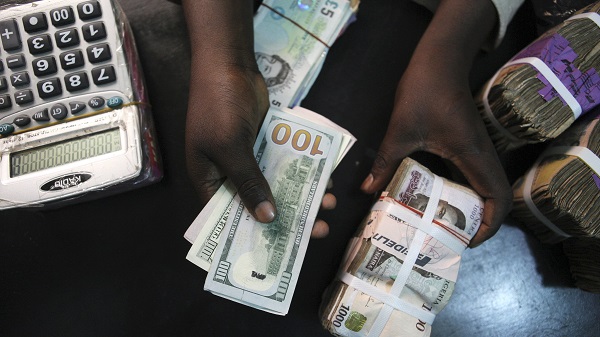
The Nigerian currency, Naira (₦), continued its battle against the United States dollar at the official foreign exchange market on Saturday.
Daily Voice reports that data from the Central Bank of Nigeria (CBN) showed that the local currency sold at ₦1,321.2160/1$ on Sunday.
The latest rate is the same as Saturday’s rate of ₦1,321.2160/1$.
At the parallel market (black market), however, the naira closed on Sunday at ₦1,400 to the dollar.
The offers by commercial banks, Bureau de Change (BDC) operators, and other foreign exchange dealers may, however, differ from the reference rates due to transaction margins and prevailing demand and supply conditions.
Market participants will continue to monitor foreign exchange inflows, demand for dollars, and CBN policies for indications of whether the naira can sustain its gains through the month.
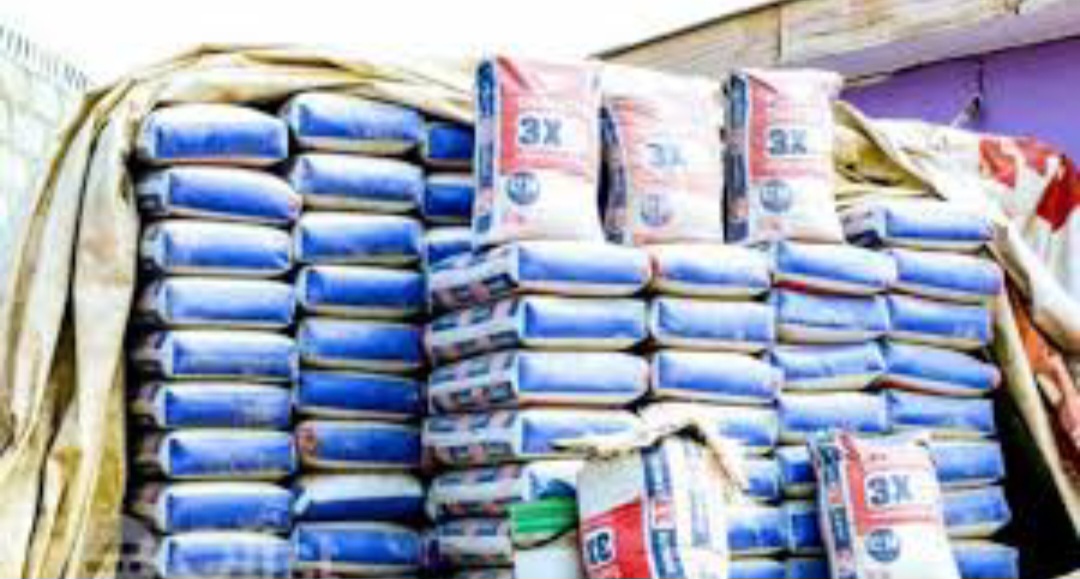
Cement prices in Nigeria remain elevated, with a 50kg bag selling for between ₦12,000 and ₦15,000 in many markets, putting further pressure on builders, contractors and Nigerians planning construction projects.
The latest market data shows that although some brands are currently available below the ₦15,000 mark, the industry remains significantly more expensive than it was at the end of 2025 and early 2026.
Recent market quotations show the following indicative prices for a 50kg bag:
Note: prices may vary by location and transportation costs.
These figures are based on a September 1 market report and can vary depending on location, transportation costs, dealer margins and supply conditions.
However, July industry data painted a more expensive picture. CementNet reported retail prices of ₦12,000 to ₦15,000, with Dangote selling for about ₦13,000–₦15,000, BUA at ₦12,000–₦14,500, and HBM Nigeria, formerly Lafarge Africa, at ₦12,000–₦13,500.
The latest figures suggest that cement prices may have eased from the highest quotations seen earlier in the year, but the broader trend remains upward.
In July, The Guardian reported that a 50kg bag typically sold for ₦12,500–₦15,000 across major markets including Lagos, Abuja and Abia.
The Federal Competition and Consumer Protection Commission (FCCPC) also reported that prices had reached between ₦13,000 and ₦15,000 in some locations during the first half of 2026.
This means the current ₦12,000–₦14,000 quotations for several major brands should be viewed as some market-level moderation rather than a broad collapse in cement prices.
Why cement remains high
High energy and transportation costs continue to weigh heavily on the industry. Cement manufacturing requires significant amounts of energy, while moving cement from factories and depots to retail markets adds further costs.
Location is also playing an important role. Buyers in areas farther from production centres can pay substantially more because of haulage and distribution expenses.
The situation is particularly significant because Nigeria has substantial cement production capacity, yet retail prices remain high. The Guardian reported that domestic production exceeds consumption, with surplus output exported to neighbouring countries.

Nigerian civil servants on Grade Level 8 now earn between N1,479,276 and N1,914,514 annually, depending on their step within the scale, following the new minimum wage signed under President Bola Tinubu’s administration.
The figures fall under the Consolidated Public Service Salary Structure (CONPSS), the framework that governs pay across Nigeria’s federal civil service.
CONPSS covers 17 grade levels in total, and a worker’s position within each level is shaped by their qualifications, length of service, and performance record.
Grade Level 8 has 14 steps, with each step representing a progression in earnings. Below is the full breakdown:

The gap between the lowest and highest steps at this level amounts to N435,238, reflecting how significantly length of service can affect take-home pay within a single grade.
Interest in the salary structure has grown since Tinubu’s government approved a new national minimum wage, which triggered a review of earnings across the public sector. Civil servants and job seekers have been keenly examining each grade level to understand what the adjusted structure means in practical terms.
Workers at Grade Level 8 are typically mid-level employees with some years of experience in the civil service. Their earnings sit above the entry-level grades but below the senior cadre, making this level a reference point for many who are planning career progression within the federal workforce.


New Files Allege Sudan Military Built Chlorine Weapons Program

Former Nigerian Senator dies At 62

2027: ADC Suffers Setback As Popular Reps Aspirant Dumps Party

Former Super Eagles Star Loses Life Savings, Duped By A Pastor of ₦1.2 Billion

I’m A Married Man, I Can Never Get Myself Involved With Such A Thing, Delta Gov Aide Reveals Why He Offered Comfort ₦500,000 Job

Lagos Imposes ₦250,000 Fine For Illegal Waste Disposal

-

 News2 days ago
Trump Is Behind My Plan To Return Fuel Subsidy – Atiku
-

 News2 days ago
2027 Presidential Election Will Be An Easy Ride For Tinubu – Says Wike’s Aide, Olayinka
-

 Entertainment2 days ago
Toxic Today, Sweet Tomorrow – Deborah Shokoya Speaks On Peller, Jarvis Marriage
-

 Sports2 days ago
Adegbuyi Named WAFU-B Player Of Tournament As Edo Queens Qualify For Champions League
-

 Business2 days ago
Dollar To Naira Exchange Rate Today, September 7th, 2026
-

 Entertainment2 days ago
Wizkid Headlines Afro Plus Fest, Marks 15 Years In Music
-

 News2 days ago
26 States Lean On FAAC As Wage Bills Outstrip IGR
-

 News2 days ago
FG To Give Nigerian Shipowners $25m Each Under New Shipping Fund