News
Breaking: Tears, Grief As Imam Who Shielded 262 Christians During Attacks Dies

Imam Abubakar Abdullahi, a hero who shielded 262 Christians, has passed away at 90 years old He died of heart complications, ten days after hospitalisation, leaving behind 19 children His bravery earned him the International Religious Freedom Award in 2019, and mourning spreads across Nigeria
Abubakar Abdullahi, the Imam of the Nghar village in Barkin Ladi Local Government Area of Plateau State, who shielded 262 Christians in the area, has been declared dead. The Imam’s death was confirmed to journalists by his son, Saleh Abubakar, on Friday, January 16. According to the young Abubakar, the Imam died at the Plateau Specialist Hospital in Jos, the state capital, on Thursday, January 15.
According to the cleric’s son, the religious leader died ten days after being admitted into the hospital. He was first diagnosed with a heart problem. He had gone for a check-up and returned. Since he was diagnosed with heart disease, his health has not been stable.
Daily Trust reported that the son disclosed that Imam Abubakar died at 90 and was survived by 19 children. 19 boys and seven girls. Recall that in June 2018, Imam Abubakar Abdullahi, during faith-based communal clashes that happened in 10 villages in the Barkin Ladi LGA, hid 262 Christians in his house and a Mosque until the end of the conflict. He saved them from being attacked.
In 2019, he was honoured with the International Religious Freedom Award from the US Department of State, one of the several awards he received for his bravery. He has been scheduled for burial after the Jumma’at Prayer in Nghar village.
The news of his death has started generating reactions from many Nigerians. Below are some of their reactions: H A
Haruna prayed for him for saving humanity:

“Imam Abubakar Abdullahi, who risked everything to shield over 200 Christians, has passed on. A true symbol of humanity, compassion and interfaith brotherhood. May Allah forgive him, grant him Jannah and comfort his family.”
Ahmed Kofa prayed for the deceased:
“May Allah have mercy on his soul and grant him Aljanna Firdausi. When you save a life is as if you saved humanity. But he helped save plenty.”
Paediatric Otaru praised and prayed for him:
“May the mercy of God be showered on him for the forgiveness of any of his shortcomings. The scripture says blessed are the merciful, for they shall obtain mercy.”
Ma’aji Umar prayed:
“May his soul rest in peace. A man with a big heart. That’s what the religion stands for, and not terrorism. A rare person who could be replicated by all.”
Olajide Balogun prayed for the deceased:
“May Allah forgive him and grant him paradise. Aameen.”
Read more comments from X here:
BREAKING: Plateau Imam Who Shielded Christians During Attack Is Deadhttps://t.co/rdLd9QA6mN
— Daily Trust (@daily_trust) January 16, 2026

The Nigeria Correctional Service, NCoS, Kwara State Command, has released the names and photos of the two death-row inmates who escaped from the Medium Security Custodial Centre, Oke-Kura, Ilorin.
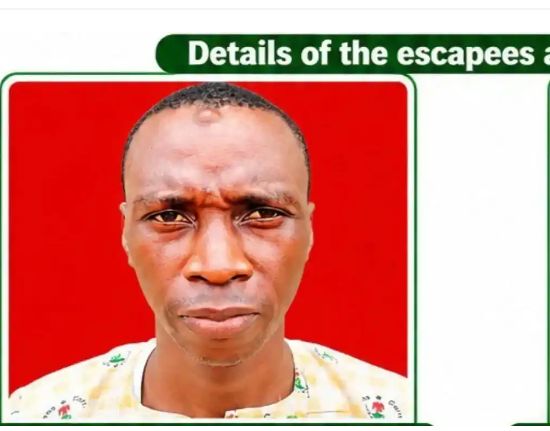
The two inmates escaped in the early hours of Wednesday, November 18, after breaking through and scaling the perimeter wall of the facility.
Their identities were disclosed in a statement issued on Friday by the Kwara State Command’s Public Relations Officer, Adegbulugbe Olumide.
According to NCoS, the first inmate is 41-year-old Segun Abraham Nasiru from Lokoja, Kogi State, while the second person is 38-year-old Oluwasegun Omoyajowo Ajiboye from Ilaro, Ekiti State.
The NCoS disclosed that Nasiru had earlier escaped from the Mandala Custodial Centre, been rearrested and transferred to Oke-Kura.
The Controller-General of the NCoS, Sylvester Ndidi Nwakuche, while reacting, blamed the incident on negligence.
“This is unfortunate and unacceptable. This is a facility that locks over 600 inmates, and about two inmates have found their way out, but I can assure you the dragnet has been spread and we will get them back,” he said.
According to him, any officer found culpable will be severely punished.
The NCoS appealed to members of the public to help with useful information that can lead to the recapture of the fugitives.
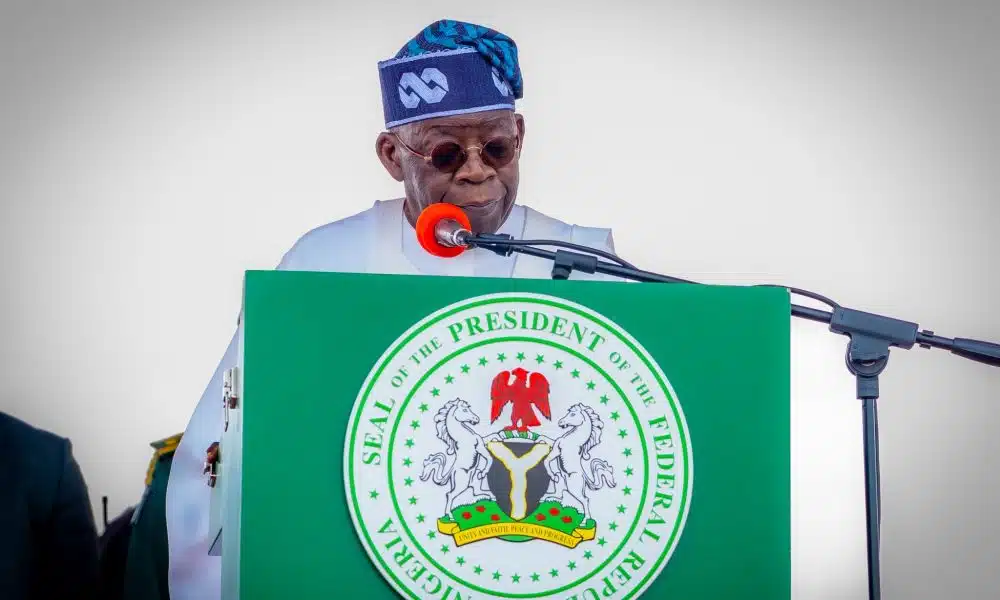
The Presidency said Dabiri’s appointment forms part of Tinubu’s efforts to ensure effective regional representation and inclusivity on the commission.
President Bola Tinubu has appointed Agboola Dabiri as the South-West Commissioner on the National Assembly Service Commission.
Naija News understands that Dabiri, until the recent appointment, was the Lagos State Commissioner for Youth and Social Development.Nigerian news subscription
He takes over from Taiwo Oluwa, who resigned from the commission on March 30, 2026, to run for the Irewole/Isokan Federal Constituency seat in Osun State.
The Special Adviser to the President on Information and Strategy, Bayo Onanuga, announced the appointment in a statement on Friday.
The statement said that, in addition to his work in the Lagos cabinet, Dabiri also worked in the Federal Capital Territory Administration.
It read, “Until his appointment, Dabiri served as Commissioner for Youth and Social Development in Lagos State. He also previously served as Mandate Secretary for Economic Planning, Revenue Generation and Public-Private Partnership in the Federal Capital Territory.”
The Presidency said the appointment was meant to give every region fair representation on the commission.
“The appointment is part of the President’s efforts to ensure effective representation and inclusivity in the National Assembly Service Commission,” the statement added.
Section 157 of the 1999 Constitution establishes the National Assembly Service Commission. The commission appoints, promotes and disciplines the staff of the National Assembly.

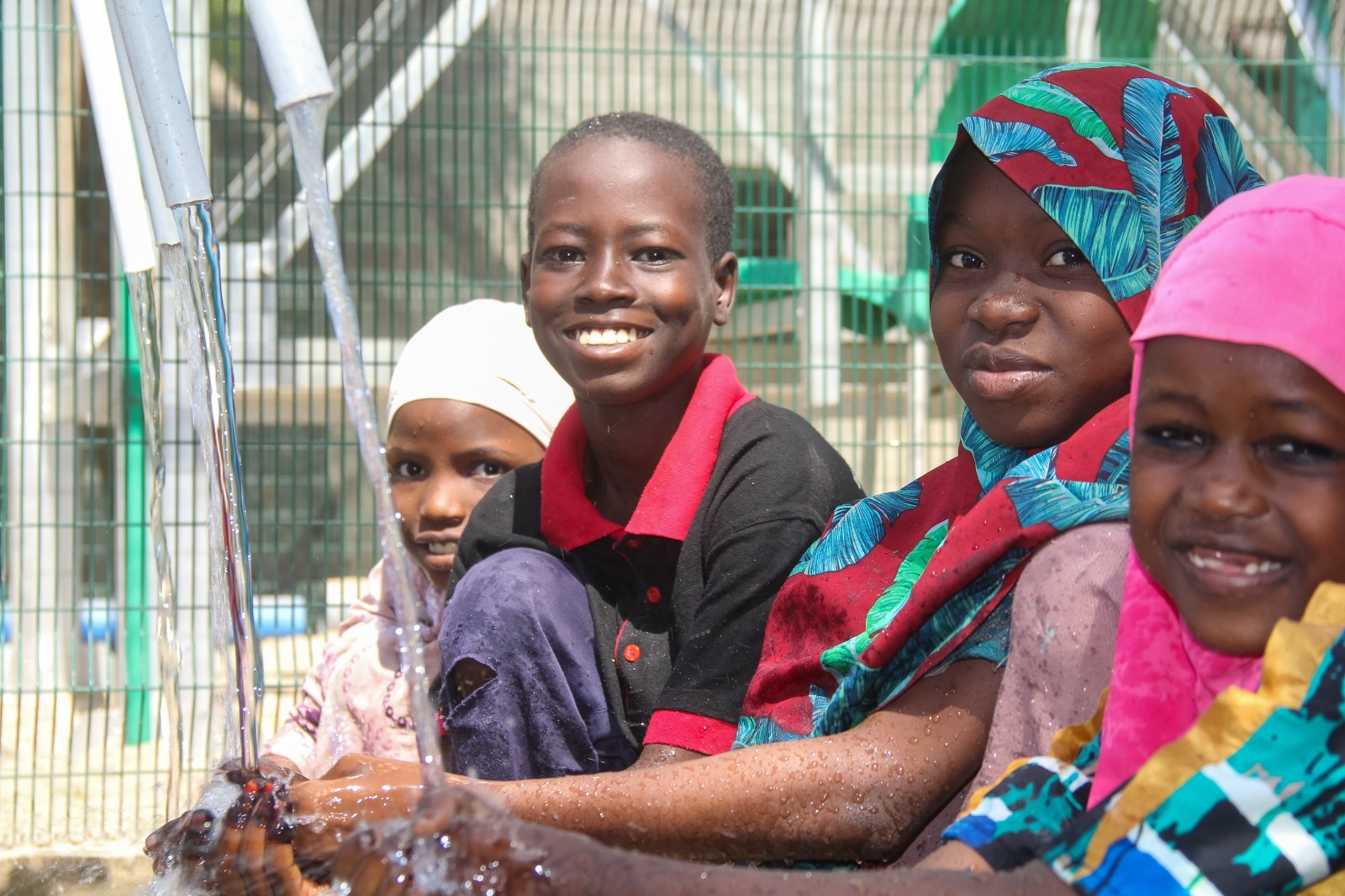
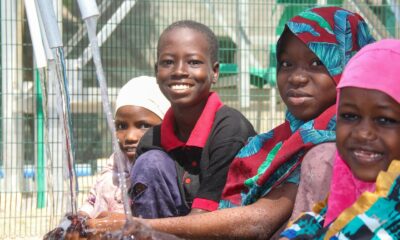
SOS Children’s Villages Nigeria calls on government, communities and development partners to put it into practice by treating children and young people as partners and co-creators of solutions to the issues they face. The call places particular focus on children who have lost parental care or are at risk of losing it.
“Children already have a voice. Our job is to create the conditions in which they can use that voice safely and be taken seriously,” said Eghosa Erhumwunse, National Director of SOS Children’s Villages Nigeria. “Children and young people often know best how to solve the problems they face. What they need is the opportunity and the space to thrive.”
A child should know their rights, know where to go for help and be able to influence decisions about their care, their education and their future. Listening must lead to action.
This principle guides the organisation’s programmes. Family strengthening helps parents and caregivers to care for their children and keep families together. Where children cannot live with their families, alternative care provides safe, family-based settings. Youth development prepares young people for independent adult life, and child rights advocacy strengthens community and state child protection systems. Together, these programmes give children the security they need to exercise their rights.
Violence remains part of daily life for many children in Nigeria. Nine in 10 children aged 1 to 14 experience violent discipline at home (NBS and UNICEF, MICS 2021), and more than 8 in 10 experience it in school (UNICEF, 2022).
Children and young people are already contributing to the response. Ahead of the Second Global Ministerial Conference on Ending Violence Against Children, held in Manila in November 2026, members of the Children and Youth Council in communities we work in set out their position in a policy brief. They believe children should not be seen only as victims in need of protection, but as agents of change who can identify risks, support their peers and help shape the policies that affect them. As one Council member put it: “We cannot build a safer world for children without listening to children.”
Meaningful participation requires age-appropriate information, trusted adults and safe ways to report concerns. Children should be able to express their views in ways that suit their age, ability and circumstances, and be told how those views were used. Children with disabilities, displaced children and children in alternative care need particular attention. Participation must also protect children’s privacy: no child should be pressured to recount a traumatic experience, appear in the media or share personal information to be heard. Supporting children to speak up must never shift the responsibility for their protection onto them.
SOS Children’s Villages Nigeria will continue to strengthen families and communities while creating spaces where children and young people can drive real change.
On World Children’s Day, SOS Children’s Villages Nigeria and its Children and Youth Council call for the following actions:
Government and public institutions: Resource child protection, family support and alternative care services, and strengthen implementation of the Child’s Rights Act 2003, the National Plan of Action to End Violence Against Children (2023 to 2027) and the National Alternative Care Guidelines. Ensure that children who cannot live with their families receive safe, family-based care. Establish confidential, child-friendly reporting mechanisms in schools and communities, and involve children as equal partners in designing and monitoring child protection policies, with clear feedback on how their views were used
Schools, families and communities: Create safe environments in which children can speak up without fear of blame or punishment. Promote positive discipline in place of corporal punishment, challenge harmful practices such as child marriage, teach digital safety alongside children’s rights, and ensure that every report leads to timely support.
Businesses, donors, civil society and the media: Invest in family strengthening, child protection and youth-led initiatives, including peer support and peer mediation in schools. Support children’s own advocacy priorities and protect their dignity and privacy in all communications.
“The test of our commitment is what happens after a child speaks,” Erhumwunse added. “When a concern is raised, it must be addressed. When a right is violated, it must be remedied. Every child should grow up knowing that their voice matters and that adults will act to protect it.”


Govt Release Identities Of Death Rows Inmates Who Escaped From Nigerian Prison

Just In: Tinubu Announces Top New Appointment