News
Lagos Shuts Oko-Oba Abattoir Over Violations

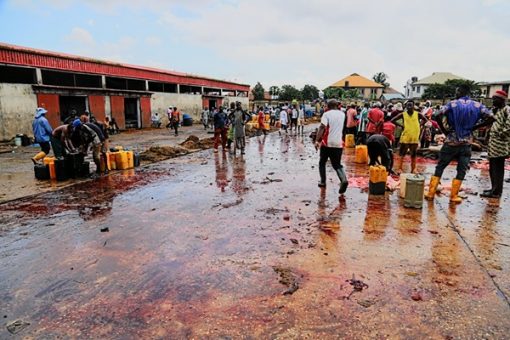
The Lagos State Government has announced that the Oko-Oba Abattoir will remain closed indefinitely until its operators demonstrate full compliance with environmental regulations and public health standards.
Commissioner for the Environment and Water Resources, Mr. Tokunbo Wahab, made this known on Sunday, stating that the state would not compromise public safety due to the continued defiance of the abattoir operators.
The abattoir was shut down last Thursday following reports of unsanitary practices, poor waste disposal, and unhygienic meat handling. Wahab described the situation during a recent inspection as “heart-wrenching” and a direct threat to the health of residents in surrounding communities.
“We had to make tough, but necessary decisions,” Wahab said. “We had engaged with the operators several times, urging them to adhere to environmental laws, but their continued disregard left us with no option.”
Residents had long complained about environmental degradation caused by the abattoir, including waste from slaughtered animals being discharged into public drains, which damaged infrastructure and properties.
Wahab also condemned the inhumane treatment of animals and misuse of the facility, noting that livestock pens were being used as living spaces for people.
“The stench is unbearable, and many residents have fled the area,” he added.

The Commissioner dismissed claims that the closure was motivated by religious bias, describing such accusations as blackmail. “Lagos is a lawful society. Compliance with regulations is not optional,” he asserted.
Wahab expressed disappointment over the underutilisation of modern slaughtering facilities provided by the state, revealing that only 10 percent of the mechanised systems were being used.
He accused the operators of reverting to outdated and harmful practices, despite exposure to better alternatives during a government-sponsored overseas training.
Following the closure, some operators attempted to resume illegal slaughtering at an abandoned gas station and roadside spots. Wahab confirmed that enforcement teams had been deployed to shut down those makeshift operations and prevent further violations.
He also disclosed that the Ministry of Agriculture had petitioned his office over the deteriorating state of the abattoir, prompting Thursday’s intervention.
While some members of the public expressed concerns about rising meat prices, Wahab stressed that public health must take precedence. “What comes first, the chicken or the egg? This is about safety,” he said.
He added that the government had met with the abattoir’s concessionaire, Harmony, and the operators’ leader, Galadima, to reiterate the need to properly treat animal waste through an effluent plant, rather than discharging it into public drains.
Beyond the abattoir issue, Wahab also addressed broader environmental challenges confronting Lagos State. He warned against building on drainage channels and wetlands, saying that over 1,100 illegal structures had been demolished to restore proper flow and mitigate flooding.
“Climate change is real. Lagos is a coastal state dealing with sea level rise, heavy rainfall, and extreme heat. That’s why initiatives like tree planting by LASPARK, with over 20,000 trees planted this year, are crucial,” he said.
The Commissioner urged residents to be patient, noting that drainage infrastructure takes time to complete. “In the last two years, we have cleared over 666,000 meters of primary drainage channels and 397 secondary collectors. These things take time, but we are on course.”
Thenationonlineng.net






The Nigeria Correctional Service, NCoS, Kwara State Command, has released the names and photos of the two death-row inmates who escaped from the Medium Security Custodial Centre, Oke-Kura, Ilorin.
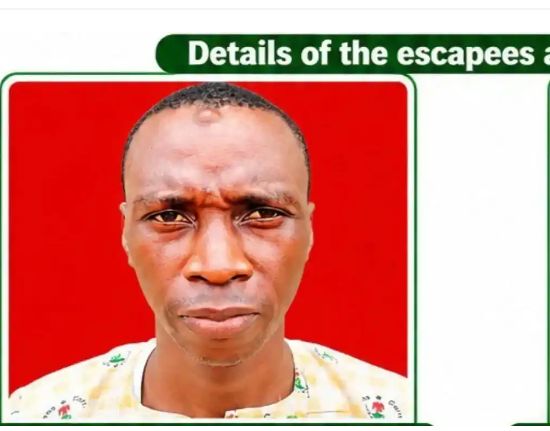
The two inmates escaped in the early hours of Wednesday, November 18, after breaking through and scaling the perimeter wall of the facility.
Their identities were disclosed in a statement issued on Friday by the Kwara State Command’s Public Relations Officer, Adegbulugbe Olumide.
According to NCoS, the first inmate is 41-year-old Segun Abraham Nasiru from Lokoja, Kogi State, while the second person is 38-year-old Oluwasegun Omoyajowo Ajiboye from Ilaro, Ekiti State.
The NCoS disclosed that Nasiru had earlier escaped from the Mandala Custodial Centre, been rearrested and transferred to Oke-Kura.
The Controller-General of the NCoS, Sylvester Ndidi Nwakuche, while reacting, blamed the incident on negligence.
“This is unfortunate and unacceptable. This is a facility that locks over 600 inmates, and about two inmates have found their way out, but I can assure you the dragnet has been spread and we will get them back,” he said.
According to him, any officer found culpable will be severely punished.
The NCoS appealed to members of the public to help with useful information that can lead to the recapture of the fugitives.
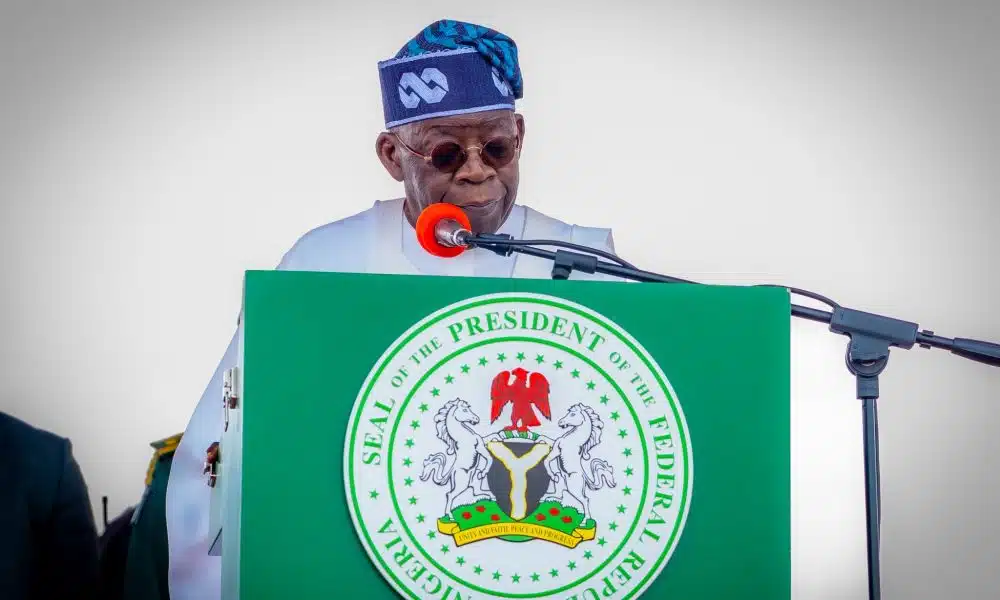
The Presidency said Dabiri’s appointment forms part of Tinubu’s efforts to ensure effective regional representation and inclusivity on the commission.
President Bola Tinubu has appointed Agboola Dabiri as the South-West Commissioner on the National Assembly Service Commission.
Naija News understands that Dabiri, until the recent appointment, was the Lagos State Commissioner for Youth and Social Development.Nigerian news subscription
He takes over from Taiwo Oluwa, who resigned from the commission on March 30, 2026, to run for the Irewole/Isokan Federal Constituency seat in Osun State.
The Special Adviser to the President on Information and Strategy, Bayo Onanuga, announced the appointment in a statement on Friday.
The statement said that, in addition to his work in the Lagos cabinet, Dabiri also worked in the Federal Capital Territory Administration.
It read, “Until his appointment, Dabiri served as Commissioner for Youth and Social Development in Lagos State. He also previously served as Mandate Secretary for Economic Planning, Revenue Generation and Public-Private Partnership in the Federal Capital Territory.”
The Presidency said the appointment was meant to give every region fair representation on the commission.
“The appointment is part of the President’s efforts to ensure effective representation and inclusivity in the National Assembly Service Commission,” the statement added.
Section 157 of the 1999 Constitution establishes the National Assembly Service Commission. The commission appoints, promotes and disciplines the staff of the National Assembly.
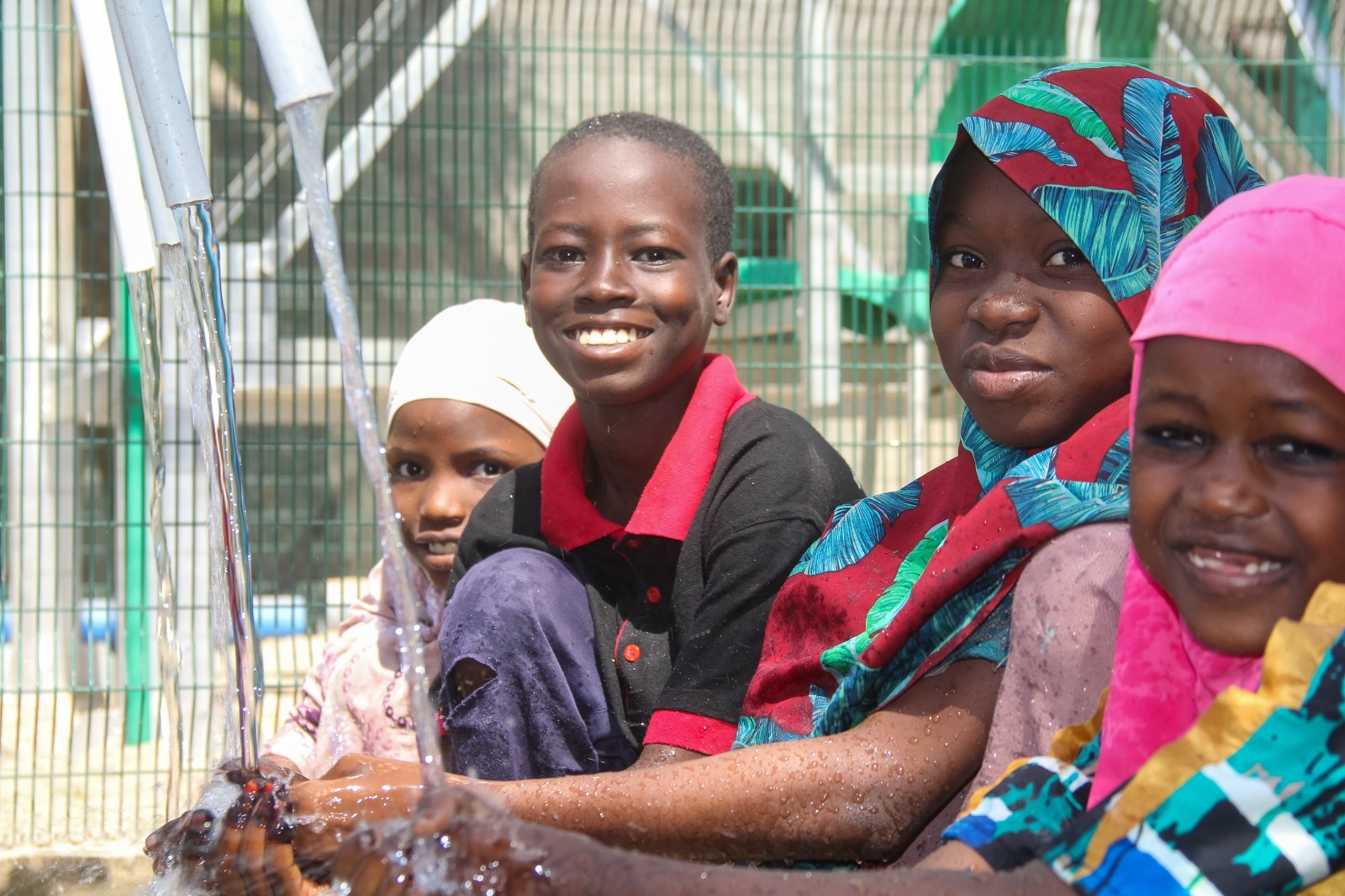
SOS Children’s Villages Nigeria calls on government, communities and development partners to put it into practice by treating children and young people as partners and co-creators of solutions to the issues they face. The call places particular focus on children who have lost parental care or are at risk of losing it.
“Children already have a voice. Our job is to create the conditions in which they can use that voice safely and be taken seriously,” said Eghosa Erhumwunse, National Director of SOS Children’s Villages Nigeria. “Children and young people often know best how to solve the problems they face. What they need is the opportunity and the space to thrive.”
A child should know their rights, know where to go for help and be able to influence decisions about their care, their education and their future. Listening must lead to action.
This principle guides the organisation’s programmes. Family strengthening helps parents and caregivers to care for their children and keep families together. Where children cannot live with their families, alternative care provides safe, family-based settings. Youth development prepares young people for independent adult life, and child rights advocacy strengthens community and state child protection systems. Together, these programmes give children the security they need to exercise their rights.
Violence remains part of daily life for many children in Nigeria. Nine in 10 children aged 1 to 14 experience violent discipline at home (NBS and UNICEF, MICS 2021), and more than 8 in 10 experience it in school (UNICEF, 2022).
Children and young people are already contributing to the response. Ahead of the Second Global Ministerial Conference on Ending Violence Against Children, held in Manila in November 2026, members of the Children and Youth Council in communities we work in set out their position in a policy brief. They believe children should not be seen only as victims in need of protection, but as agents of change who can identify risks, support their peers and help shape the policies that affect them. As one Council member put it: “We cannot build a safer world for children without listening to children.”
Meaningful participation requires age-appropriate information, trusted adults and safe ways to report concerns. Children should be able to express their views in ways that suit their age, ability and circumstances, and be told how those views were used. Children with disabilities, displaced children and children in alternative care need particular attention. Participation must also protect children’s privacy: no child should be pressured to recount a traumatic experience, appear in the media or share personal information to be heard. Supporting children to speak up must never shift the responsibility for their protection onto them.
SOS Children’s Villages Nigeria will continue to strengthen families and communities while creating spaces where children and young people can drive real change.
On World Children’s Day, SOS Children’s Villages Nigeria and its Children and Youth Council call for the following actions:
Government and public institutions: Resource child protection, family support and alternative care services, and strengthen implementation of the Child’s Rights Act 2003, the National Plan of Action to End Violence Against Children (2023 to 2027) and the National Alternative Care Guidelines. Ensure that children who cannot live with their families receive safe, family-based care. Establish confidential, child-friendly reporting mechanisms in schools and communities, and involve children as equal partners in designing and monitoring child protection policies, with clear feedback on how their views were used
Schools, families and communities: Create safe environments in which children can speak up without fear of blame or punishment. Promote positive discipline in place of corporal punishment, challenge harmful practices such as child marriage, teach digital safety alongside children’s rights, and ensure that every report leads to timely support.
Businesses, donors, civil society and the media: Invest in family strengthening, child protection and youth-led initiatives, including peer support and peer mediation in schools. Support children’s own advocacy priorities and protect their dignity and privacy in all communications.
“The test of our commitment is what happens after a child speaks,” Erhumwunse added. “When a concern is raised, it must be addressed. When a right is violated, it must be remedied. Every child should grow up knowing that their voice matters and that adults will act to protect it.”


Govt Release Identities Of Death Rows Inmates Who Escaped From Nigerian Prison

Just In: Tinubu Announces Top New Appointment