
Business
Dangote Cuts Petrol Price by N200 – Details Emerge

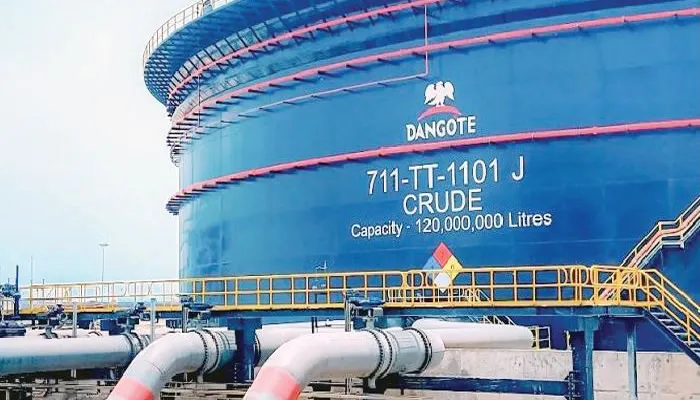
Dangote Refinery recently promised to reduce the frequency of its petrol price adjustments, especially hikes, to give Nigerians a breather amid the harsh economic reality, as reported by Legit.
However, fresh data has revealed that the Dangote Refinery adjusted the price of Premium Motor Spirit (PMS), popularly known as petrol, at least nine times in early 2026, highlighting the volatility in Nigeria’s downstream oil market.
The refinery, which remains Africa’s largest single-train refinery, reportedly implemented six upward reviews and three downward adjustments within the first quarter of the year, as global crude oil prices, exchange rate pressures, and depot competition continued to shape local fuel pricing.
One of the most significant reductions came in March 2026, when the refinery slashed petrol prices by ₦100 per litre, bringing the ex-depot rate down from ₦1,175 to ₦1,075 per litre. Industry watchers say the cumulative reductions recorded so far in 2026 amount to nearly ₦200 per litre, offering some relief to marketers and eventually consumers facing persistent fuel price pressure.
March price cut became a major turning point
On March 10, 2026, Dangote Refinery announced one of its biggest price cuts of the year after global crude oil prices softened in the international market. The refinery reduced its PMS loading price from ₦1,175 per litre to ₦1,075 per litre, representing a ₦100 drop.
Reports linked the move to declining crude prices and efforts to remain competitive against rising depot prices across Nigeria. The adjustment came after weeks of sharp increases driven by Brent crude trading above $100 per barrel, which had forced many depot owners and independent marketers to review their prices upward.

Market analysts described the March reduction as a strategic move aimed at stabilising retail prices and easing supply pressure across filling stations.
Six increases, three reductions in just months
According to the market tracking platform PetroleumPriceNG, Dangote Refinery’s pricing pattern in 2026 has been highly dynamic.
Within just the first quarter, the refinery reportedly carried out six price hikes and three cuts, reflecting how quickly market realities changed.
Some of the earlier increases were tied to:
- rising international crude oil prices
- foreign exchange instability
- logistics and distribution costs
- strong domestic demand for refined petroleum products.
Meanwhile, the downward adjustments were largely triggered by:
- softer global crude prices
- pressure from competing depots
- efforts to moderate retail pump prices
- market expectations for price stability
A smaller reduction was also reported in February before the more dramatic March cut, while later adjustments were introduced to prevent excessive depot pricing across major supply hubs.
Nigerians are still watching pump prices closely
Although ex-depot reductions do not always translate immediately to lower pump prices at filling stations, consumers across Nigeria continue to monitor Dangote Refinery’s pricing decisions closely because of its growing influence in the fuel supply chain.
With marketers relying heavily on Dangote’s supply volumes, each adjustment at the refinery level often triggers reactions across independent depots, retail stations, and transport costs nationwide.
Experts say if global oil prices remain moderate and exchange rate pressures ease, Nigerians could see more stability in PMS prices in the coming months.
However, any renewed surge in crude oil prices or forex volatility could quickly reverse the gains.
Refinery’s growing influence on fuel pricing
Since ramping up operations, Dangote Refinery has increasingly become a major price setter in Nigeria’s petroleum market.
Its decisions now shape pricing conversations among depot owners, marketers, and regulators alike. For many Nigerians, the refinery represents both hope for long-term price stability and a daily reminder of how global oil market movements directly affect transport fares, food prices, and the overall cost of living.

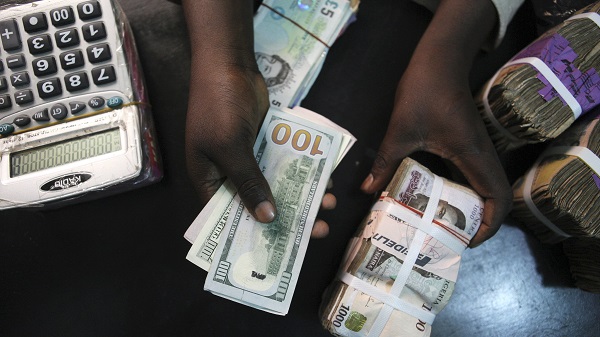
The Nigerian currency, Naira (₦), continued its battle against the United States dollar at the official foreign exchange market on Saturday.
Daily Voice reports that data from the Central Bank of Nigeria (CBN) showed that the local currency sold at ₦1,321.2160/1$ on Sunday.
The latest rate is the same as Saturday’s rate of ₦1,321.2160/1$.
At the parallel market (black market), however, the naira closed on Sunday at ₦1,400 to the dollar.
The offers by commercial banks, Bureau de Change (BDC) operators, and other foreign exchange dealers may, however, differ from the reference rates due to transaction margins and prevailing demand and supply conditions.
Market participants will continue to monitor foreign exchange inflows, demand for dollars, and CBN policies for indications of whether the naira can sustain its gains through the month.
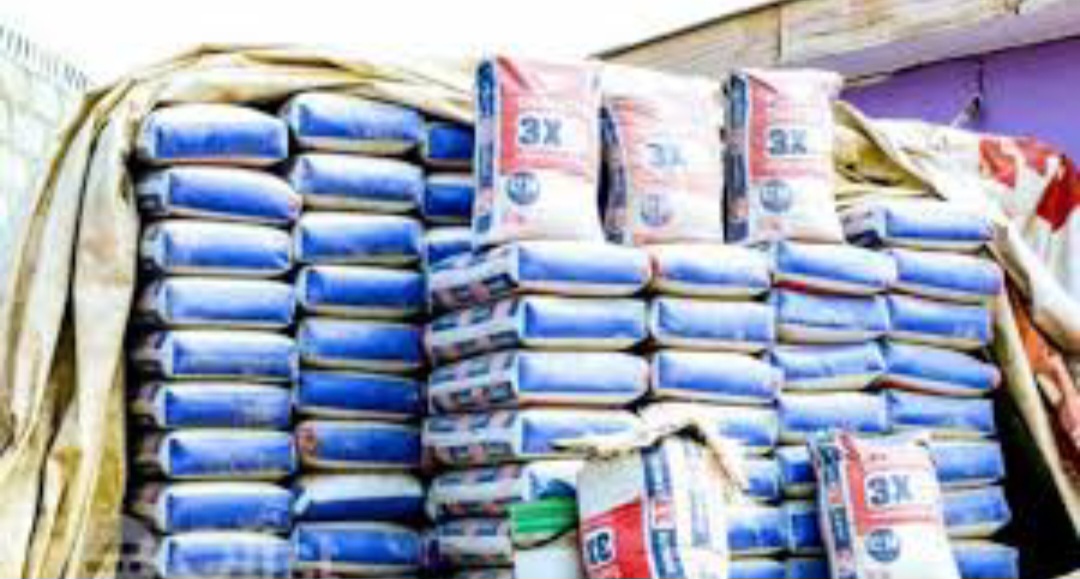
Cement prices in Nigeria remain elevated, with a 50kg bag selling for between ₦12,000 and ₦15,000 in many markets, putting further pressure on builders, contractors and Nigerians planning construction projects.
The latest market data shows that although some brands are currently available below the ₦15,000 mark, the industry remains significantly more expensive than it was at the end of 2025 and early 2026.
Recent market quotations show the following indicative prices for a 50kg bag:
Note: prices may vary by location and transportation costs.
These figures are based on a September 1 market report and can vary depending on location, transportation costs, dealer margins and supply conditions.
However, July industry data painted a more expensive picture. CementNet reported retail prices of ₦12,000 to ₦15,000, with Dangote selling for about ₦13,000–₦15,000, BUA at ₦12,000–₦14,500, and HBM Nigeria, formerly Lafarge Africa, at ₦12,000–₦13,500.
The latest figures suggest that cement prices may have eased from the highest quotations seen earlier in the year, but the broader trend remains upward.
In July, The Guardian reported that a 50kg bag typically sold for ₦12,500–₦15,000 across major markets including Lagos, Abuja and Abia.
The Federal Competition and Consumer Protection Commission (FCCPC) also reported that prices had reached between ₦13,000 and ₦15,000 in some locations during the first half of 2026.
This means the current ₦12,000–₦14,000 quotations for several major brands should be viewed as some market-level moderation rather than a broad collapse in cement prices.
Why cement remains high
High energy and transportation costs continue to weigh heavily on the industry. Cement manufacturing requires significant amounts of energy, while moving cement from factories and depots to retail markets adds further costs.
Location is also playing an important role. Buyers in areas farther from production centres can pay substantially more because of haulage and distribution expenses.
The situation is particularly significant because Nigeria has substantial cement production capacity, yet retail prices remain high. The Guardian reported that domestic production exceeds consumption, with surplus output exported to neighbouring countries.

Nigerian civil servants on Grade Level 8 now earn between N1,479,276 and N1,914,514 annually, depending on their step within the scale, following the new minimum wage signed under President Bola Tinubu’s administration.
The figures fall under the Consolidated Public Service Salary Structure (CONPSS), the framework that governs pay across Nigeria’s federal civil service.
CONPSS covers 17 grade levels in total, and a worker’s position within each level is shaped by their qualifications, length of service, and performance record.
Grade Level 8 has 14 steps, with each step representing a progression in earnings. Below is the full breakdown:
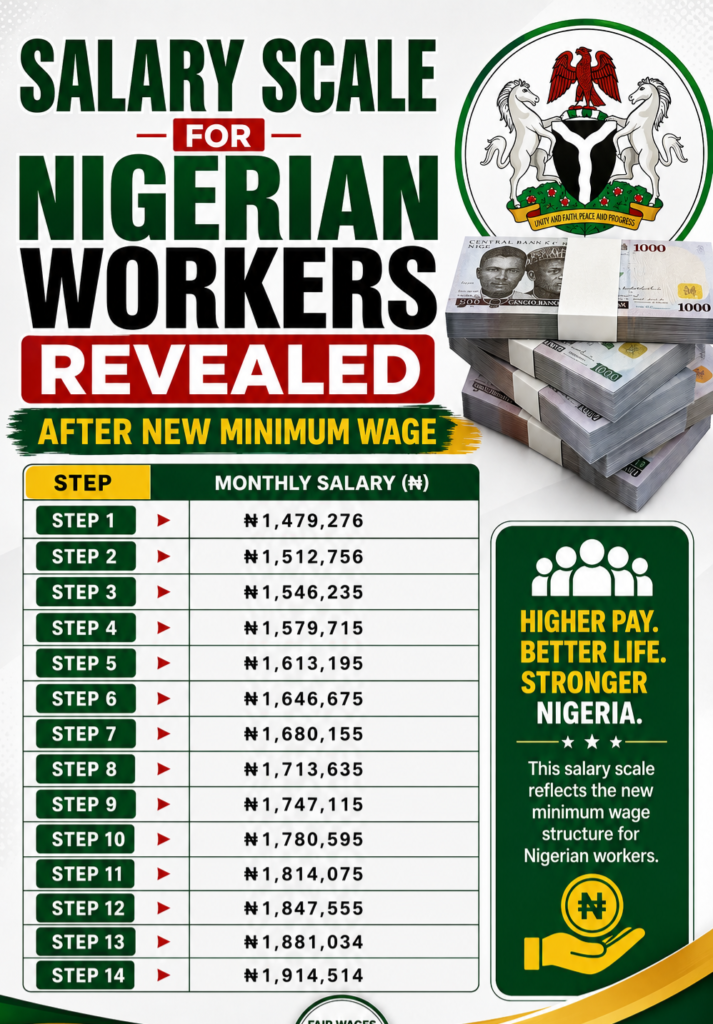
The gap between the lowest and highest steps at this level amounts to N435,238, reflecting how significantly length of service can affect take-home pay within a single grade.
Interest in the salary structure has grown since Tinubu’s government approved a new national minimum wage, which triggered a review of earnings across the public sector. Civil servants and job seekers have been keenly examining each grade level to understand what the adjusted structure means in practical terms.
Workers at Grade Level 8 are typically mid-level employees with some years of experience in the civil service. Their earnings sit above the entry-level grades but below the senior cadre, making this level a reference point for many who are planning career progression within the federal workforce.


INEC Release Final List Of 2027 Presidential Candidates

Banker Shot dead As Kidnappers Strike FUTO

SO SAD: Nigerian Bishop Shot Dead In Shocking Attack

Former Super Eagles Star Loses Life Savings, Duped By A Pastor of ₦1.2 Billion

I’m A Married Man, I Can Never Get Myself Involved With Such A Thing, Delta Gov Aide Reveals Why He Offered Comfort ₦500,000 Job