
Business
Making It Big: How My Life Changed With £250,000 Loan – Otedola

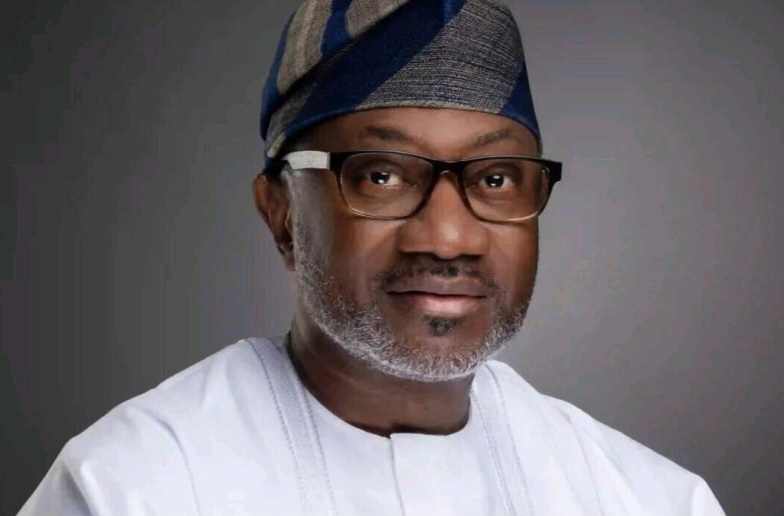
Billionaire businessman Femi Otedola has revealed that a £250,000 loan from his father Sir Michael Otedola, a former Lagos State governor-was the lifeline that helped scale up Zenon Petroleum, the oil trading company that cemented his place in Nigeria’s business landscape.
Otedola made the disclosure in his memoir Making It Big, where he draws parallels between the support he received from his father and the guidance he now provides to his children.
According to him, mentorship and financial backing were critical to his rise and remain central to how he nurtures the ambitions of his own protégés.
He recalled financing his daughter DJ Cuppy’s first major show, which featured Davido, with N10 million when they were just 16. The concert, however, flopped, attracting only a handful of older attendees including former Cross River State Governor Donald Duke and his wife Onari, as well as lawyer Jide Coker.
“Papa, people aren’t coming,” his daughter lamented. His response was to open the gates for free an experience he describes as a lesson in tenacity and perseverance. Today, both artistes have grown into household names.
More insights
Davido, who has gone on to become one of Africa’s biggest music exports, boasts multiple hit singles, global tours, and awards, including a Grammy nomination in 2024. He is also one of the most streamed Afrobeats artistes globally, with a loyal fan base spanning Africa, Europe, and the United States. DJ Cuppy, meanwhile, has carved out her own niche as a DJ and producer, releasing hit singles, headlining major international events, and serving as a UN ambassador. She has also become a prominent advocate for philanthropy and youth empowerment.
The billionaire also recalled spending the summer of 2019 in Monaco with his children, where he shared “nuggets of wisdom” passed down from his father alongside lessons picked up throughout his career.

Beyond family, Otedola credits role models such as the late Wahab Folawiyo, whose pioneering business exploits he studied closely, as key influences in shaping his entrepreneurial outlook.
What you should know
In 2003, having identified an opportunity in the fuel retail market, Otedola secured the finance to set up Zenon Petroleum and Gas Ltd, a petroleum products marketing and distribution company. As owner and chairman, he moved quickly to dominate the industry.
By 2004, he had invested N15 billion in downstream infrastructure, acquiring storage depots in Apapa and Ibafon, as well as four cargo vessels with a combined total storage capacity of 147,000 metric tons.
That same year, Zenon added a fleet of 100 DAF fuel-tanker trucks worth N1.4 billion.
By 2005, Zenon controlled a major share of Nigeria’s diesel market, supplying fuel to some of the country’s largest manufacturers, including Dangote Group, Cadbury, Coca-Cola, Nigerian Breweries, MTN, Unilever, Nestlé, and Guinness.
Otedola’s aggressive expansion culminated in 2007 when ten banks approved a syndicated loan of $1.5 billion to Zenon to build the largest premium motor spirit storage facility in Africa. Later that year, Zenon acquired a 28.7% stake in African Petroleum, one of Nigeria’s leading fuel marketers.
Zenon also expanded into the kerosene market, solidifying its influence in Nigeria’s energy sector. However, in 2012, the company was named in a controversial fuel subsidy scandal, where it was alleged to have owed $1.4 million to the government. The case drew public attention after a sting operation revealed a lawmaker, Farouk Lawan, demanding bribes from Otedola to clear Zenon’s name. Lawan was later charged with corruption, while Otedola maintained his innocence.
Buy Otedola’s ‘Making it Big’ Memoir At These Bookstores Across The World


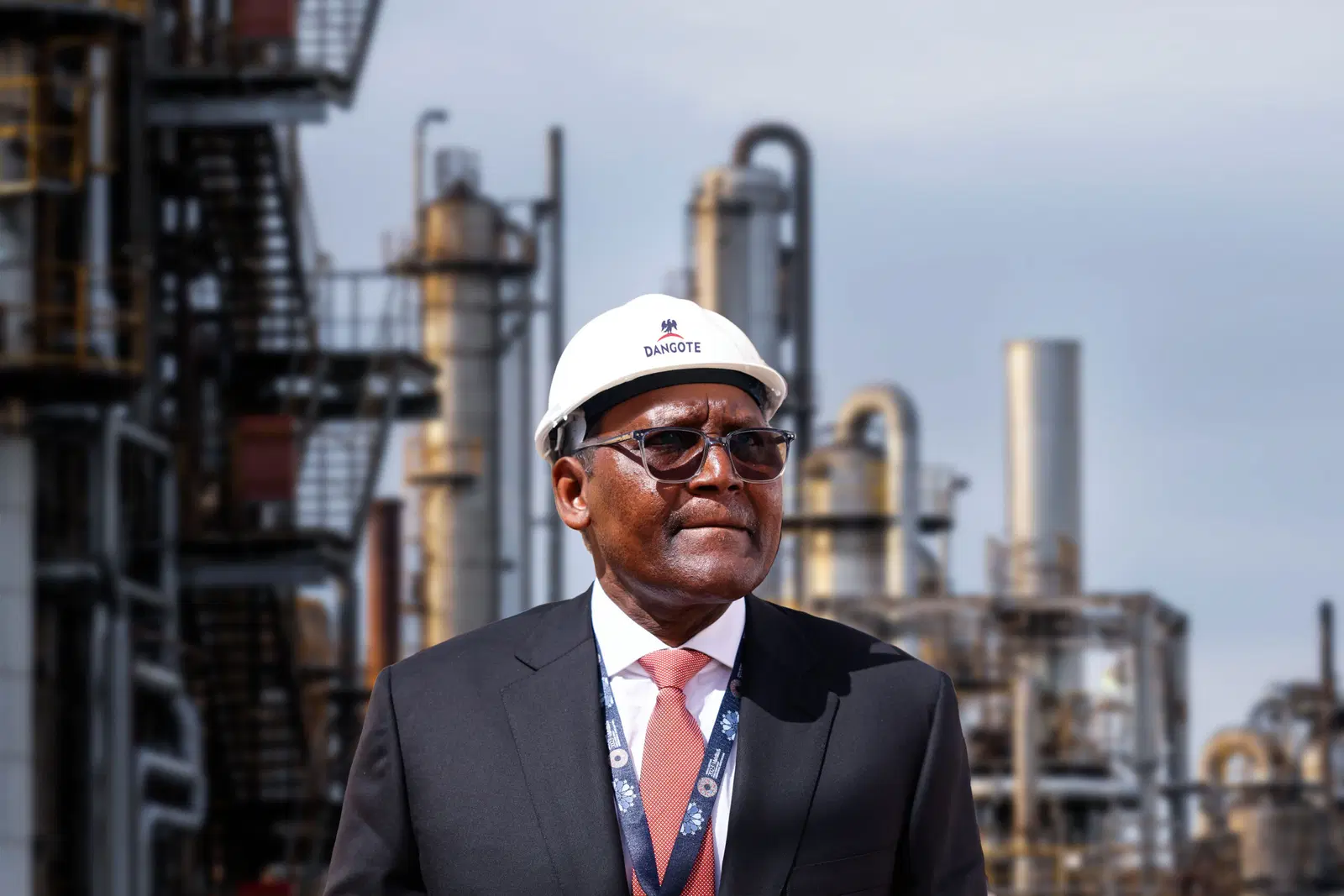
Alhaji Aliko Dangote, President and Chief Executive Officer of Dangote Industries Limited, has said the Initial Public Offering, IPO, of Dangote Petroleum Refinery and Petrochemicals, FZE, would democratise wealth creation by giving Nigerians and investors globally an opportunity to own shares in one of Africa’s major industrial projects.
Dangote stated this yesterday at the “Facts Behind the Offer” presentation and opening gong ceremony for the refinery’s IPO in Lagos, where the Nigerian Exchange Limited, NGX, formally opened the N2.2 trillion offer.
The IPO comprises 4.1 billion new ordinary shares offered at N525 per share, with a minimum subscription of 10 shares valued at N5,250. The offer is scheduled to close on October 13, subject to the terms contained in the prospectus.
Describing the offer as a historic moment for Nigeria’s capital market, the Dangote Group and Africa, Dangote said: “It would enable ordinary Nigerians and investors globally to own shares in one of Africa’s major industrial projects.
“What initially belongs to a country, begins in a deeper sense, now belongs to the people. Today is such a moment; today is a historic day
“The IPO is not simply about listing a company but creating a new possibility for Nigeria and Africa by broadening ownership of a major industrial asset.
“The decision to offer shares to the public was driven by the desire to allow more people participate in and benefit from the prosperity created by the refinery.
“An asset of this magnitude should not create value for only a very few people. It should create value for millions of people, not only Nigerians, but all over the world.”
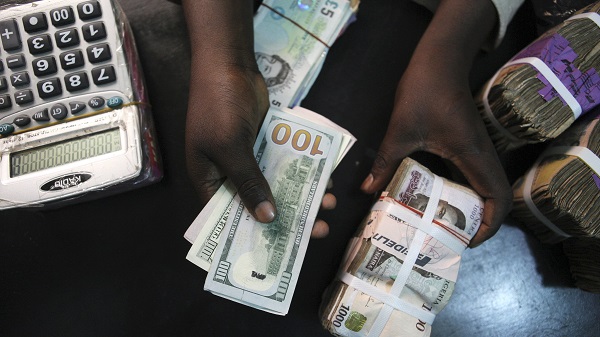
The Nigerian currency, Naira (₦), continued its battle against the United States dollar at the official foreign exchange market on Saturday.
Daily Voice reports that data from the Central Bank of Nigeria (CBN) showed that the local currency sold at ₦1,321.2160/1$ on Sunday.
The latest rate is the same as Saturday’s rate of ₦1,321.2160/1$.
At the parallel market (black market), however, the naira closed on Sunday at ₦1,400 to the dollar.
The offers by commercial banks, Bureau de Change (BDC) operators, and other foreign exchange dealers may, however, differ from the reference rates due to transaction margins and prevailing demand and supply conditions.
Market participants will continue to monitor foreign exchange inflows, demand for dollars, and CBN policies for indications of whether the naira can sustain its gains through the month.
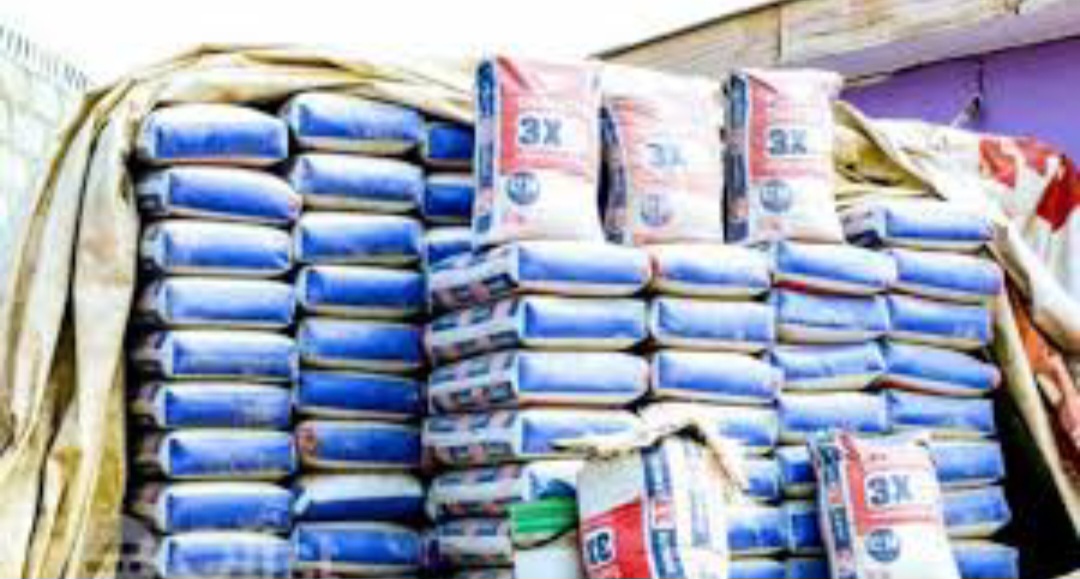
Cement prices in Nigeria remain elevated, with a 50kg bag selling for between ₦12,000 and ₦15,000 in many markets, putting further pressure on builders, contractors and Nigerians planning construction projects.
The latest market data shows that although some brands are currently available below the ₦15,000 mark, the industry remains significantly more expensive than it was at the end of 2025 and early 2026.
Recent market quotations show the following indicative prices for a 50kg bag:
Note: prices may vary by location and transportation costs.
These figures are based on a September 1 market report and can vary depending on location, transportation costs, dealer margins and supply conditions.
However, July industry data painted a more expensive picture. CementNet reported retail prices of ₦12,000 to ₦15,000, with Dangote selling for about ₦13,000–₦15,000, BUA at ₦12,000–₦14,500, and HBM Nigeria, formerly Lafarge Africa, at ₦12,000–₦13,500.
The latest figures suggest that cement prices may have eased from the highest quotations seen earlier in the year, but the broader trend remains upward.
In July, The Guardian reported that a 50kg bag typically sold for ₦12,500–₦15,000 across major markets including Lagos, Abuja and Abia.
The Federal Competition and Consumer Protection Commission (FCCPC) also reported that prices had reached between ₦13,000 and ₦15,000 in some locations during the first half of 2026.
This means the current ₦12,000–₦14,000 quotations for several major brands should be viewed as some market-level moderation rather than a broad collapse in cement prices.
Why cement remains high
High energy and transportation costs continue to weigh heavily on the industry. Cement manufacturing requires significant amounts of energy, while moving cement from factories and depots to retail markets adds further costs.
Location is also playing an important role. Buyers in areas farther from production centres can pay substantially more because of haulage and distribution expenses.
The situation is particularly significant because Nigeria has substantial cement production capacity, yet retail prices remain high. The Guardian reported that domestic production exceeds consumption, with surplus output exported to neighbouring countries.


Refinery: Our N2.2trn IPO’ll Democratise Wealth Creation —Dangote

VIDEO: ‘I Was Just Being Myself’ – Poco Lee Breaks Silence After Release From UK Prison

INEC: 52 Senators Lose Return Ticket To 11th National Assembly

Former Super Eagles Star Loses Life Savings, Duped By A Pastor of ₦1.2 Billion

I’m A Married Man, I Can Never Get Myself Involved With Such A Thing, Delta Gov Aide Reveals Why He Offered Comfort ₦500,000 Job

Lagos Imposes ₦250,000 Fine For Illegal Waste Disposal

-

 News2 days ago
Nigerian Gov Declares Public Holiday
-
 News2 days ago
Anambra Still Repaying Loans Borrowed Under Peter Obi – Soludo Govt
-
 Politics1 day ago
INEC: 52 Senators Lose Return Ticket To 11th National Assembly
-
 Uncategorized1 day ago
VIDEO: ‘I Was Just Being Myself’ – Poco Lee Breaks Silence After Release From UK Prison
-
 Business1 day ago
Refinery: Our N2.2trn IPO’ll Democratise Wealth Creation —Dangote